

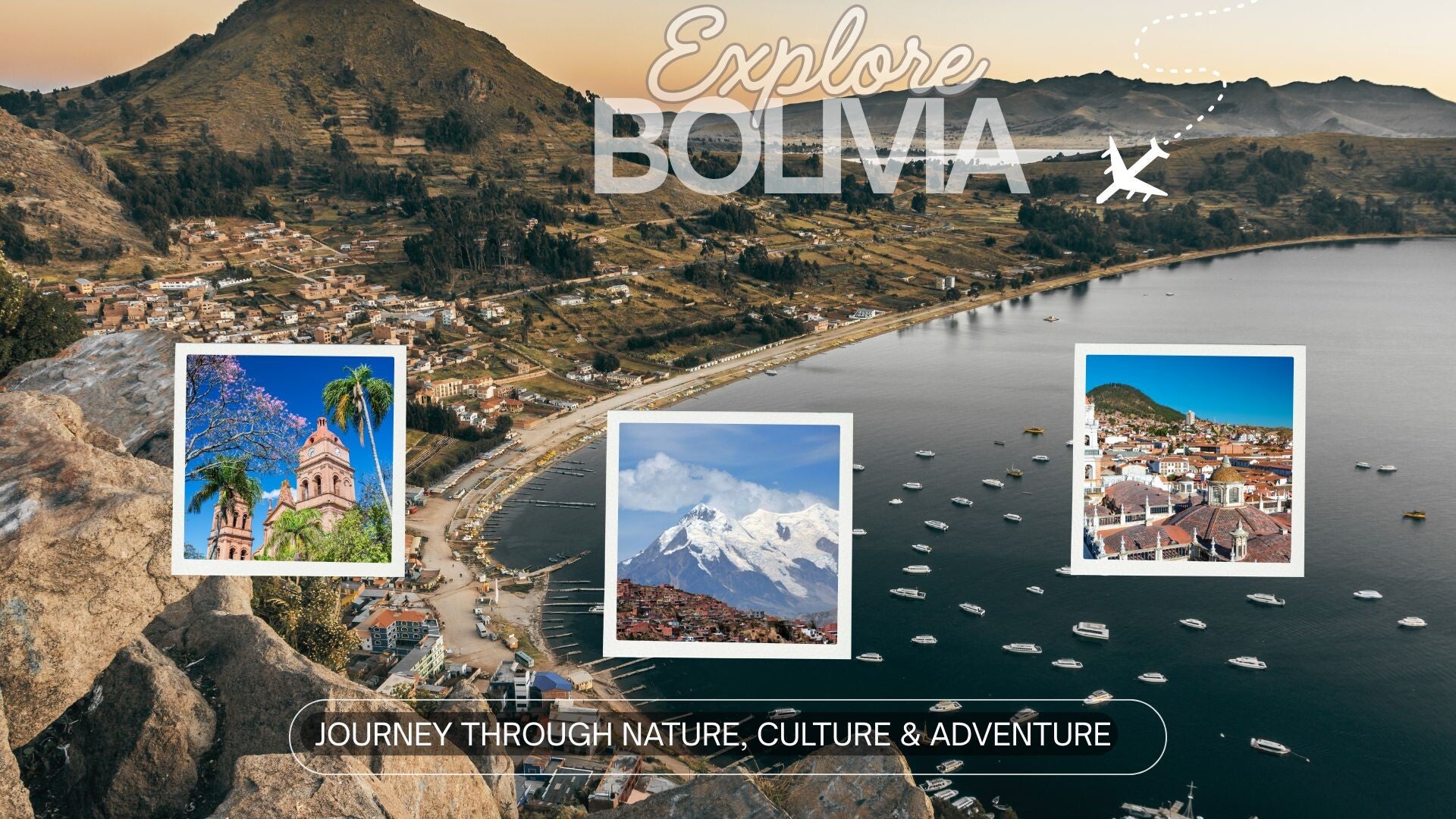
Discover Bolivia through its diverse cities, where colonial heritage, Indigenous cultures, vibrant traditions, gastronomy and spectacular landscapes come together. From the high-altitude metropolis of La Paz to the historic streets of Sucre and Potosí, and the dynamic atmosphere of Santa Cruz, each city offers a unique gateway to Bolivia’s rich heritage.
LA PAZ - THE CITY ABOVE THE CLOUDS
Nestled high in the Andes Mountains at approximately 3,650 metres (11,975 feet) above sea level, La Paz is the world's highest administrative capital and one of South America's most fascinating destinations. Surrounded by the snow-capped peaks of the Cordillera Real and overlooked by the majestic Illimani Mountain, the city combines breathtaking natural scenery with a rich cultural heritage and a vibrant urban atmosphere.
La Paz offers visitors a unique fusion of history, tradition and modern life. Its bustling streets are home to colourful markets, colonial architecture, contemporary restaurants, museums, art galleries and lively plazas. From the famous Witches' Market, where visitors can discover traditional Andean medicines and handicrafts, to the impressive San Francisco Church and the elegant colonial streets of the historic centre, every corner of the city tells a story.
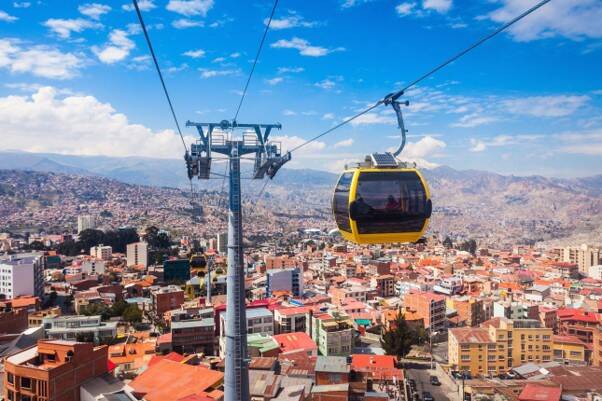
One of the city's most remarkable attractions is the Mi Teleférico cable car network, the largest urban cable car system in the world. It provides spectacular panoramic views of the city while connecting La Paz with the neighbouring city of El Alto, offering visitors an unforgettable way to experience the dramatic landscape.
La Paz is also the perfect gateway to some of Bolivia's most iconic natural and cultural attractions. Adventure enthusiasts can cycle the legendary Death Road, hike among the peaks of the Cordillera Real, or explore the surreal rock formations of the Valley of the Moon. A short journey from the city leads to the magnificent Lake Titicaca, the world's highest navigable lake, where visitors can experience the traditions of indigenous communities and visit the sacred Isla del Sol.
Throughout the year, La Paz celebrates its rich indigenous and colonial heritage through colourful festivals, traditional music, dance and gastronomy. Visitors can enjoy authentic Bolivian cuisine, including local specialities such as salteñas, anticuchos and api, while experiencing the warm hospitality of the city's diverse communities. Whether you are seeking adventure, culture, history or unforgettable mountain scenery, La Paz offers an extraordinary travel experience unlike anywhere else in the world. As one of Bolivia's most dynamic destinations, it provides the perfect introduction to the country's incredible landscapes, traditions and people.

LA PAZ - TOP ATTRACTIONS
-
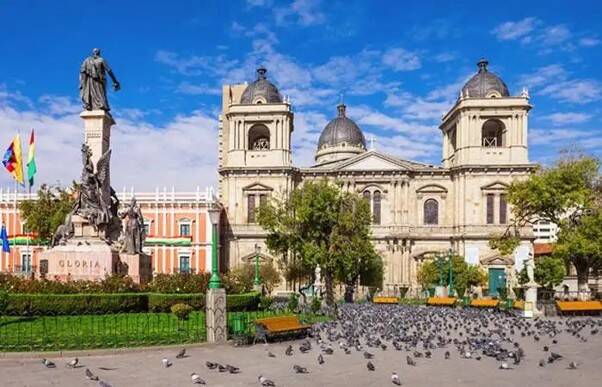
Plaza Murillo: The historic heart of La Paz, Plaza Murillo is surrounded by some of Bolivia's most important government buildings, including the Presidential Palace, the National Congress, and the Metropolitan Cathedral. It is the perfect place to learn about Bolivia's political history while enjoying the lively atmosphere of the city centre.
-
Mi Teleférico: The world's largest urban cable car network offers a unique way to explore La Paz from above. Connecting La Paz with neighbouring El Alto. It has become one of Bolivia's most iconic attractions.
-
Witches' Market (Mercado de las Brujas): One of Bolivia's most famous attractions, the Witches' Market showcases traditional Aymara culture. Visitors can browse stalls selling medicinal herbs, handcrafted souvenirs, spiritual artefacts, textiles, and products used in traditional Andean ceremonies.
-
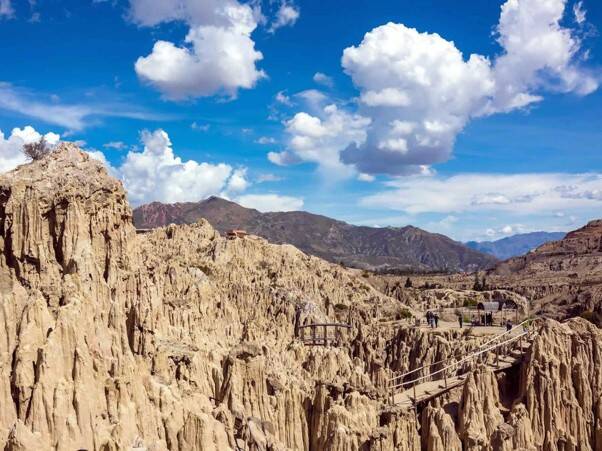
Valley of the Moon (Valle de la Luna): Just a short drive from the city centre, this remarkable natural landscape features unusual rock formations carved by erosion over thousands of years. Its lunar-like appearance makes it one of the most photographed attractions near La Paz.
-
San Francisco Church (Basilica de San Francisco): Dating back to the 16th century, San Francisco Church is one of the city's finest examples of colonial architecture. Visitors can admire its intricately carved façade, explore the museum, and climb the bell tower for panoramic views of La Paz.
-
Jaén Street (Calle Jaén):m One of the oldest and best-preserved streets in La Paz, Calle Jaén is lined with colourful colonial buildings, museums, cafés, art galleries and artisan shops.
-
National Museum of Ethnography and Folklore: This museum showcases Bolivia's extraordinary cultural diversity through exhibitions of indigenous traditions, textiles, ceremonial masks, music, and archaeological collections.
-
Tiwanaku Archaeological Site: Located approximately 70 kilometres from La Paz, Tiwanaku is one of South America's most important pre-Columbian archaeological sites and a UNESCO World Heritage Site. The ancient city was once the centre of a powerful civilisation that flourished long before the Inca Empire.
-
Lake Titicaca: Lake Titicaca is one of Bolivia's most iconic destinations and the world's highest navigable lake, situated at an altitude of 3,810 metres above sea level. Shared between Bolivia and Peru, it is renowned for its crystal-clear waters, breathtaking Andean scenery, and rich cultural heritage. The lake is home to the sacred Isla del Sol (Island of the Sun) and Isla de la Luna (Island of the Moon), both deeply connected to Inca history and legend. Visitors can enjoy boat trips, traditional Aymara communities, ancient archaeological sites, and unforgettable views, making Lake Titicaca a must-visit destination for anyone exploring Bolivia.
-
Chacaltaya and Huayna Potosí: Adventure enthusiasts can enjoy high-altitude experiences outside the city. Chacaltaya offers stunning mountain scenery and hiking opportunities, while nearby Huayna Potosí is one of the world's most popular peaks for mountaineering and glacier climbing.
-
Death Road: One of the world's most famous adventure destinations, where visitors can experience a guided mountain bike descent from the Andes into the tropical Yungas region.
-
Mount Illimani: The snow-capped mountain that dominates La Paz's skyline is Bolivia's second-highest peak and a symbol of the city. It attracts climbers, trekkers, and photographers from around the world.
-
Other Attractions Worth Visiting:
- El Alto
- Los Yungas (Coroico)
- Killi Killi Viewpoint
- Mirador Laikakota
- Botanical Garden of La Paz
- Valle de las Ánimas
- Muela del diablo
- Moon Valley Golf Club
- Biopark Vesty Pakos
SUCRE - BOLIVIA'S WHITE CITY
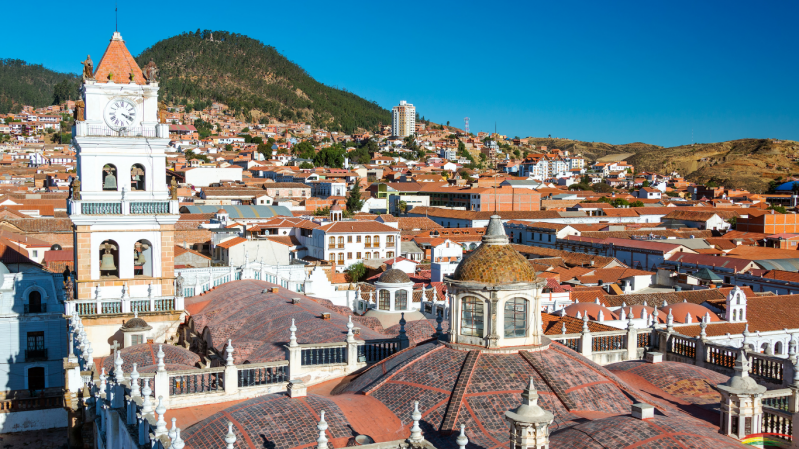
Known as Bolivia's constitutional capital, Sucre affectionately called “The White CITY” is one of South America's most beautiful and historic cities. Famous for its whitewashed colonial buildings, pleasant climate, and rich cultural heritage, the city was designated a UNESCO World Heritage Site in 1991 for its exceptionally well-preserved historic centre. Walking through its charming streets feels like stepping back in time, where elegant architecture, colourful plazas, and centuries of history create an unforgettable experience.
Sucre is the birthplace of Bolivia's independence, the country's Declaration of Independence was signed here in 1825. Visitors can explore fascinating museums, historic churches, convents, and government buildings that tell the story of Bolivia's past. The city's relaxed atmosphere, vibrant cafés, local markets, and traditional cuisine make it an ideal destination for travellers seeking both culture and authenticity.
Beyond the city centre, Sucre offers a range of unique experiences. Discover spectacular dinosaur footprints at Cal Orck'o, hike through the surrounding valleys, visit traditional weaving communities, or explore nearby indigenous villages to learn about local customs and craftsmanship.
Sucre also serves as an excellent base for exploring the surrounding region, including the colourful Maragua Crater and the scenic Andean countryside. Whether you are interested in history, architecture, culture, adventure, or gastronomy, Sucre offers an enriching travel experience for every visitor.
Furthermore, Sucre is considered as Bolivia's cultural capital, with numerous museums, galleries, theatres, festivals, and historical landmarks. Throughout the year, Sucre hosts religious celebrations, music festivals, cultural events, and traditional markets that showcase the region's vibrant customs and artistic traditions. The city is celebrated for its distinctive cuisine, combining indigenous and Spanish influences. Local specialities include: Mondongo Chuquisaqueño, Chorizo Chuquisaqueño, Sopa de Maní (Peanut Soup), Ají de Patas, Salteñas and other traditional Bolivian desserts and pastries
Visitors can also explore the colourful Central Market to sample fresh produce, local cheeses, fruit juices, and authentic regional dishes.
SUCRE - TOP ATTRACTIONS
-
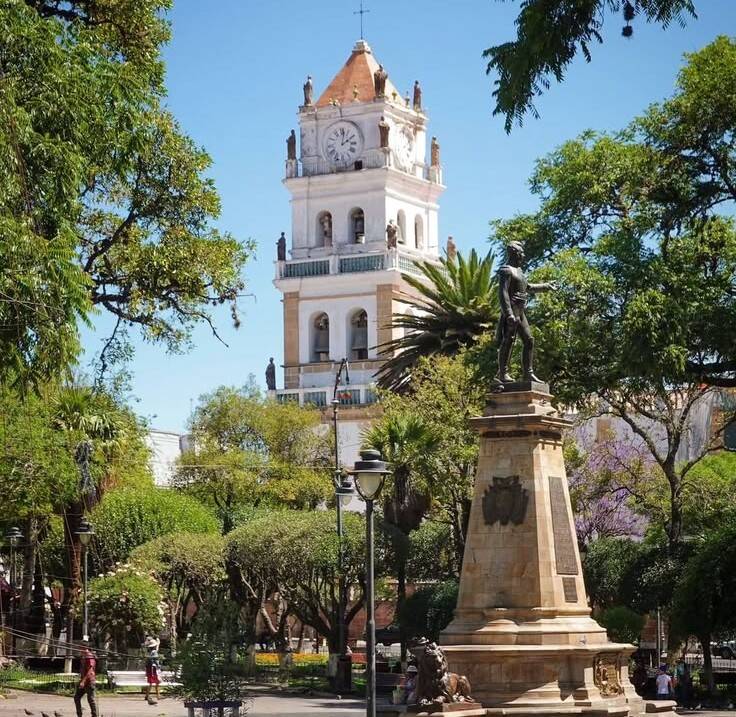
Plaza 25 de mayo: The heart of Sucre, surrounded by beautiful historic colonial buildings, cafés, museums, gardens and government institutions. It's the perfect place to begin exploring the city.
-
House of Liberty (Casa de la Libertad): One of Bolivia's most important historical landmarks. Bolivia's Declaration of Independence was signed here in 1825. Today it houses original documents, portraits, and exhibits on the country's history.
-
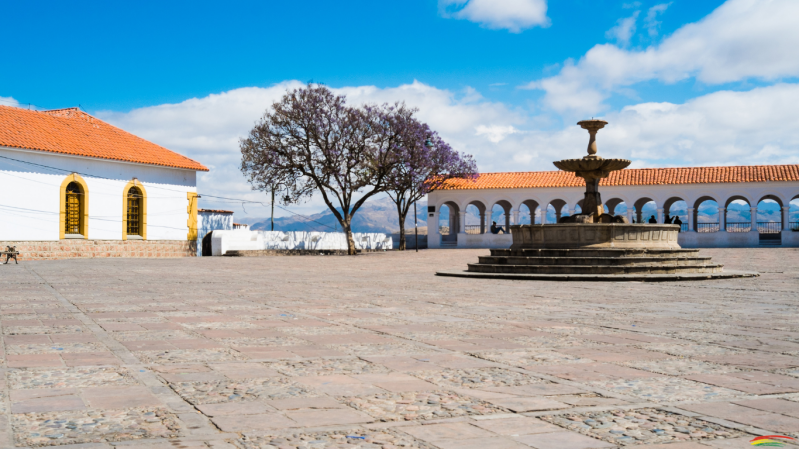
La Recoleta: A former Franciscan monastery offers panoramic views over the city. The surrounding plaza is a popular spot to relax while enjoying Sucre's iconic white buildings.
-
San Felipe Neri Convent: Climb to the famous rooftop terraces for one of the best panoramic views of Sucre's colonial skyline and church domes.
-
Cal Orck'o: Home to one of the world's largest collections of dinosaur footprints, with over 5,000 footprints preserved on a massive limestone wall. A must-visit site for families and geology enthusiasts.
-
Metropolitan Cathedral of Sucre: A beautiful cathedral combining Renaissance, Baroque, and Neoclassical architecture. Visitors can also explore the Museum of Religious Art.
-
San Francisco Xavier University: Founded in 1624, it is one of the oldest universities in the Americas and played a significant role in South America's independence movement.
-
ASUR Indigenous Art Museum: An excellent museum showcasing traditional textiles from the Yampara and Tarabuco cultures, highlighting Bolivia's rich indigenous heritage.
-
Tarabuco Market: Located about 65 km from Sucre, this famous Sunday market is renowned for colourful traditional clothing, handmade textiles, local crafts, and authentic indigenous culture.
-
Maragua Crater: A spectacular hiking destination featuring colourful rock formations, traditional villages, dinosaur footprints, and breathtaking mountain scenery.
-
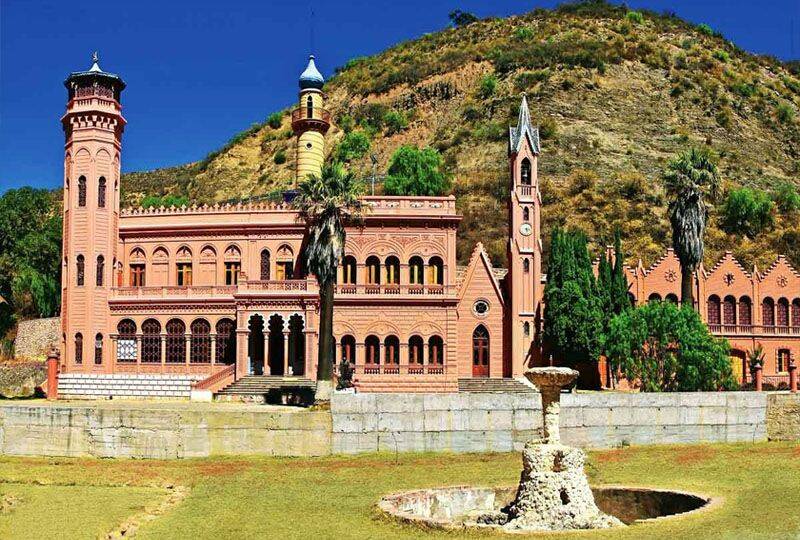
Glorieta Castle (Castillo de la Glorieta): Located just 5 km from the historic city of Sucre, the Castle is one of Bolivia's most unique architectural landmarks. Built in the late 19th century as the residence of Prince Francisco Argandoña and Princess Clotilde Urioste, the castle combines Gothic, Renaissance, Baroque, Neoclassical, Byzantine, and Moorish architectural styles into a striking design. Surrounded by beautiful gardens, elegant halls, and distinctive towers, the castle offers visitors a fascinating glimpse into Bolivia's aristocratic history and cultural heritage. Today, it is one of Sucre's most popular attractions and a must-visit destination for history, architecture, and photography enthusiasts.
-
Other attractions worth visiting:
-
Hike up the mountains Sica Sica and Churuquella
-
Bolivar Park
-
7 waterfals
-
Potolo Community
-
El Palmar National Park
-
Cinti Wine Route
-
Yotala
-
Other rural community tourism experiences
SANTA CRUZ DE LA SIERRA
BOLIVIA's GATEWAY TO THE TROPICAL LOWLANDS
Discover Santa Cruz – where tropical nature, cultural heritage, and modern Bolivia come together.
Santa Cruz de la Sierra is Bolivia’s largest city and the vibrant gateway to the country’s tropical eastern region. Known for its warm climate, welcoming atmosphere, and rapid economic growth, Santa Cruz offers visitors a unique blend of modern urban experiences, colonial heritage, rich biodiversity, and authentic regional culture.
Located in the heart of Bolivia’s lowlands, Santa Cruz combines the energy of a cosmopolitan city with the charm of traditional Bolivian life. The city’s historic centre features beautiful colonial architecture, tree-lined plazas, and cultural landmarks such as the iconic Metropolitan Cathedral and the picturesque Plaza 24 de Septiembre, where locals and visitors gather to enjoy the relaxed pace of life.
Beyond the city, Santa Cruz is surrounded by extraordinary natural attractions. Visitors can explore lush tropical landscapes of the amazon rainforest, protected national parks, and diverse ecosystems that showcase Bolivia’s incredible biodiversity. The nearby Amboró National Park is one of the country’s most important conservation areas, offering opportunities for hiking, wildlife watching, birdwatching, and eco-tourism experiences.
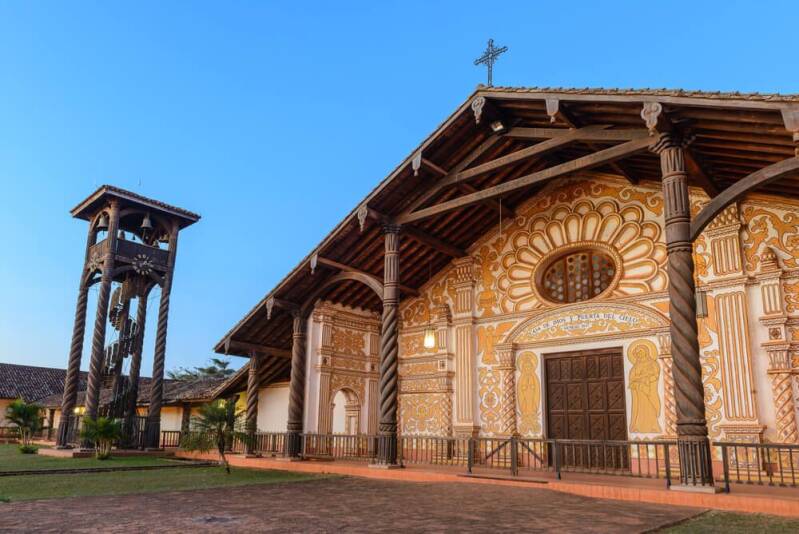
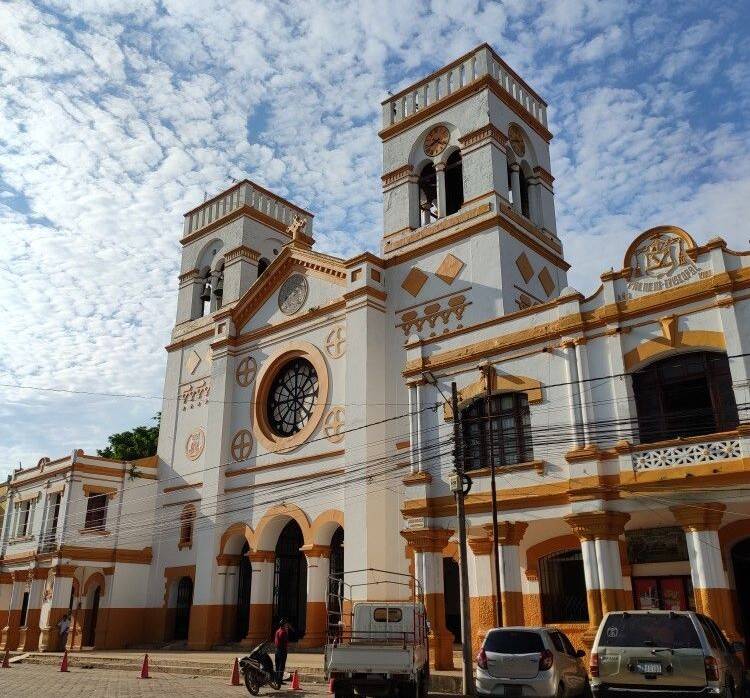
Santa Cruz is also a gateway to discover Bolivia’s cultural diversity, including indigenous communities, traditional festivals, traditional local cuisine, and unique experiences in the surrounding Chiquitanía region. The historic Jesuit Missions of Chiquitos, recognised for their cultural and architectural importance, provide visitors with an opportunity to explore Bolivia’s colonial heritage, archaeological treasures and living traditions.
The city has become one of Bolivia’s leading destinations for business, events, gastronomy, shopping, and entertainment. Its modern infrastructure, international connections, and vibrant nightlife make it an ideal starting point for travellers seeking both adventure and comfort.
Whether exploring tropical forests, discovering local traditions, enjoying regional cuisine, or connecting with Bolivia’s dynamic eastern culture, Santa Cruz offers an unforgettable experience and a different perspective of this diverse South American country.

SANTA CRUZ - TOP ATTRACTIONS
-
Plaza 24 de Septiembre – Historic City Centre: The heart of Santa Cruz! this beautiful colonial square is surrounded by palm trees, restaurants, cafés, historic buildings and cultural attractions. It is the perfect place to relax, watch local life and begin exploring the city.
-
Metropolitan Cathedral Basilica of St. Lawrence: Located beside Plaza 24 de Septiembre, this iconic cathedral is one of Santa Cruz’s most recognisable landmarks, features beautiful architecture and a bell tower offering panoramic views of the city.
-
Biocentro Güembé: Biocentro Güembé, is one of Santa Cruz’s most popular attractions, is a tropical ecological park offering visitors a chance to experience Bolivia’s biodiversity close to the city. The place is home to the world’s largest butterfly house, botanical gardens, natural swimming pools, and wildlife including monkeys, birds and reptiles. Ideal for families and nature lovers.
-
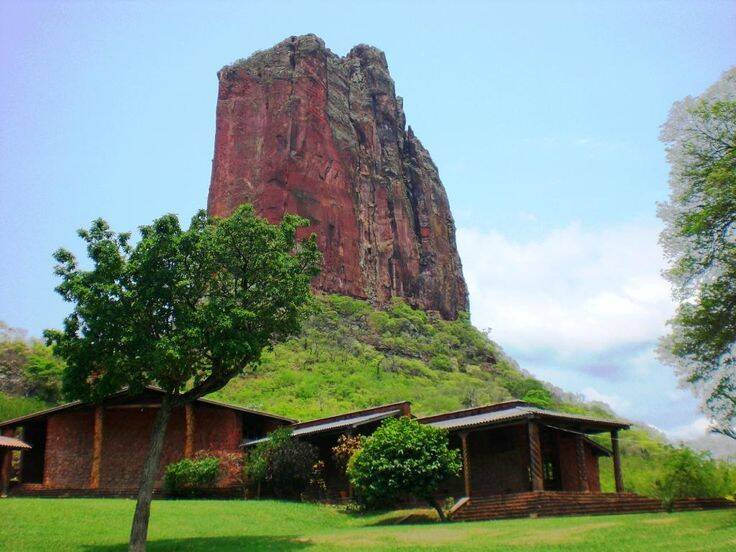
Lomas de Arena Regional Park: Just outside the city, Lomas de Arena Regional Park is a unique natural area featuring large desert-like sand dunes surrounded by tropical forests and lagoons. Ideal for hiking, photography, sandboarding, swimming, and wildlife observation.
-
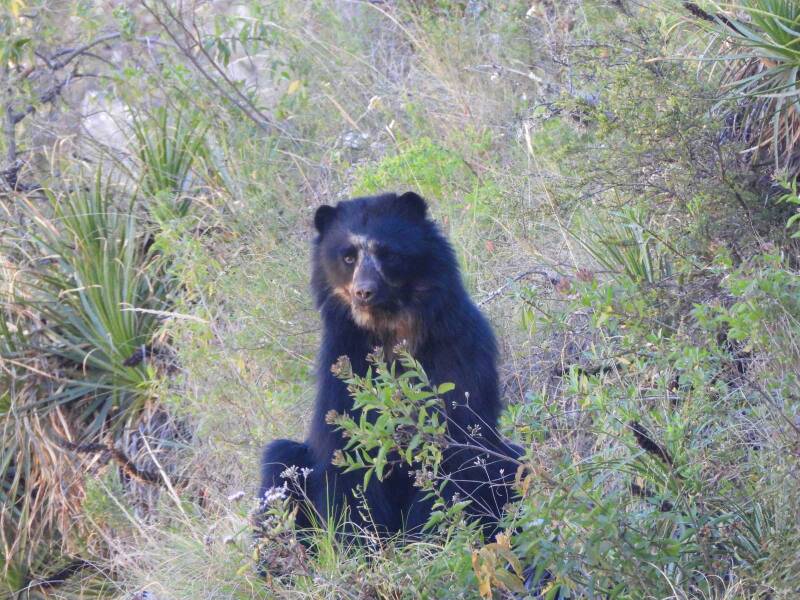
Amboró National Park: Amboró National Park is one of Bolivia’s most important, protected areas, where the Amazon rainforest meets the Andes and it is one of the most biodiverse national parks in South America, Amboró is home to thousands of plan species, jaguars, spectacled bears, hundred of bird species cloud forest, waterfalls and rivers. The park is paradise for hikers, trekking, wildlife photographers, and wildlife enthusiasts alike.
-
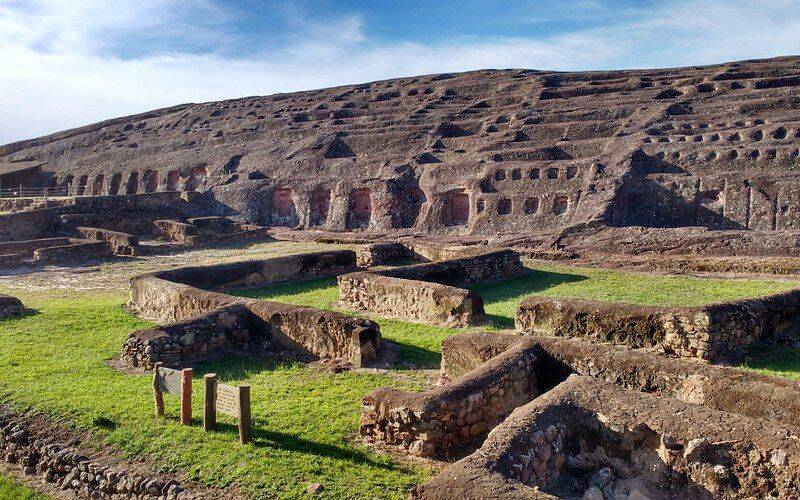
Samaipata & El Fuerte Archaeological Site: Located about 120 Km from Santa Cruz, Samaipata is one of Bolivia’s most popular day trips, for its charming colonial streets, local cafes and restaurants, vineyards, waterfalls, mountain landscapes with hiking routes, access to Amboró national park and is famous for: El Fuerte Archeological site, a UNESCO World Heritage site, featuring an ancient pre-Columbian ceremonial centre.
-
Jardin Botánico de Santa Cruz: Jardín Botánico de Santa Cruz de la Sierra is home of hundreds of Bolivia’s tropical plant species and provides a peaceful escape from the city and an educational experience.
-
Noel Kempff Mercado National Park: Noel Kempff Mercado National Park is one of Bolivia’s most spectacular natural destinations and a UNESCO World Heritage Site. It features dense Amazon rainforest landscapes, the impressive Arco Iris and Federico Ahlfeld waterfalls, rare wildlife species and it is ideal for adventure and eco-tourism.
-
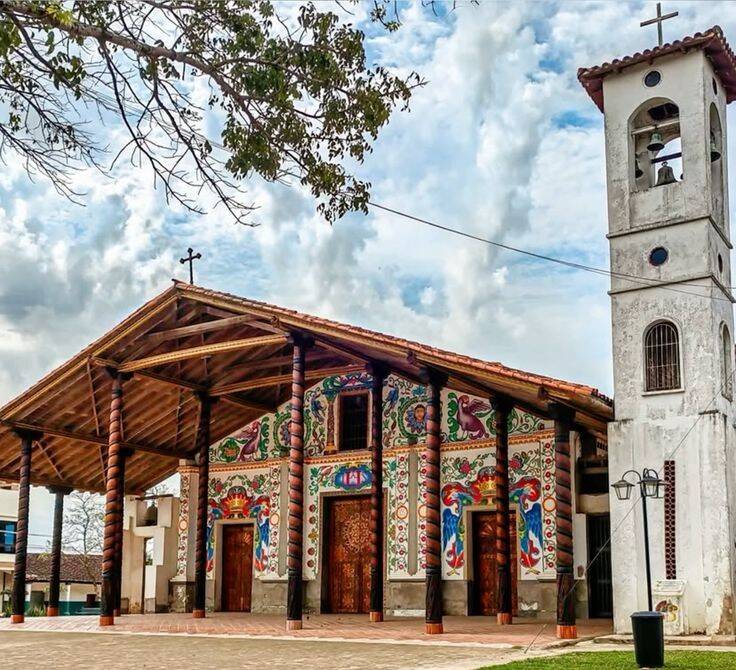
Jesuit Missions of Chiquitos: The Jesuit Missions of Chiquitos are one of Bolivia's most remarkable cultural treasures and a UNESCO World Heritage Site. Located in the Chiquitanía region of Santa Cruz, these six historic mission towns were established by Jesuit missionaries between the late 17th and mid-18th centuries. They are renowned for their beautifully preserved churches, which blend European Baroque architecture with indigenous Chiquitano craftsmanship. Today, the missions remain living communities where visitors can experience rich history, vibrant traditions, sacred music, and unique cultural heritage in an unforgettable setting.
-
Other attractions worth visiting
- Pirai river
- Cotoca
- Arenal park
- Porongo
- Espejillos Waterfalls
- Chochís
- Roboré and Aguas Calientes (Hot Springs)
TARIJA
THE LAND OF WINE, SINGANI AND TRADITION
Located in southern Bolivia, often described as one of Bolivia’s most welcoming destinations, Tarija is a charming city renowned for its pleasant climate, picturesque valleys, rich cultural heritage and warm hospitality. Often associated with Bolivia’s wine and Singani traditions, the region offers visitors a distinctive combination of culture, gastronomy, nature and rural experiences.
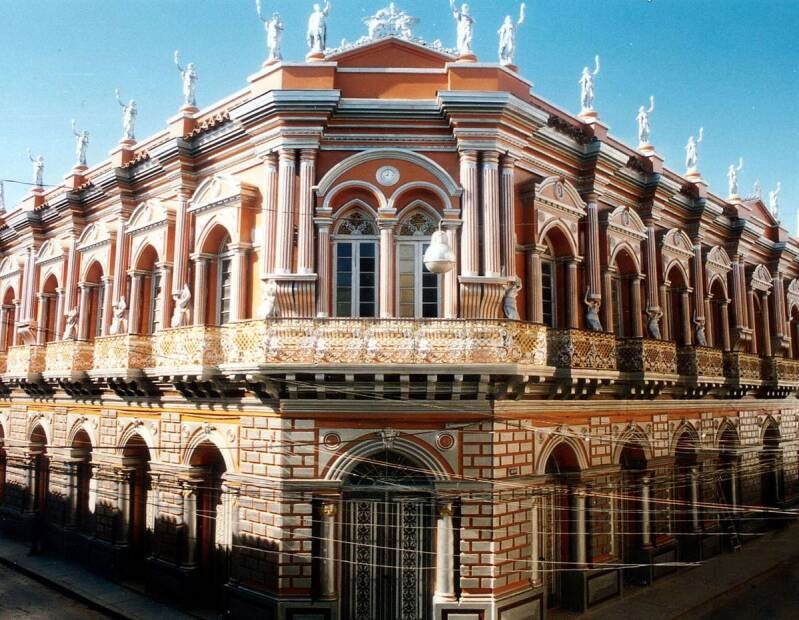
The city of Tarija sits in a beautiful valley along the Guadalquivir River and features an attractive historic centre with important architectural landmarks, including the Casa Dorada, Plaza Luis de Fuentes, San Roque Church, Convent of San Francisco, and the Central Market, places that provide and insight into Tarija’s history and everyday life.
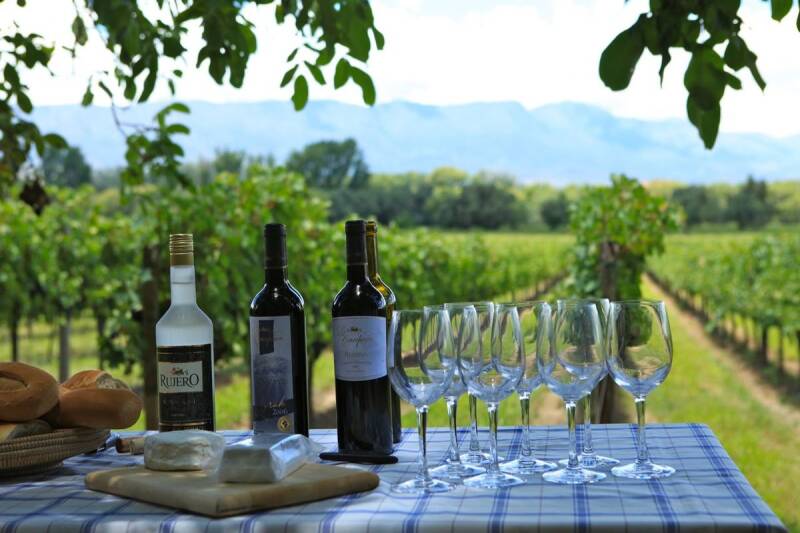
One of the region’s highlights is the Wine and Singani Route, where visitors can explore vineyards, wineries and traditional wine-producing communities around the Valley. The area’s vineyards are located at high elevations, surrounded by rolling hills and fertile lands creating a distinctive environment for producing the best Bolivian wines and Singani.
Beyond its vineyards, Tarija offers opportunities to discover its beautiful countryside, chaco landscapes, rivers, mountains and villages, through eco-tourism excursions, hiking, cycling, bird watching and cultural experiences. Visitors can explore destinations such as San Lorenzo, Tomatitas and the surrounding valleys while experiencing local food, music, festivals and rural traditions.
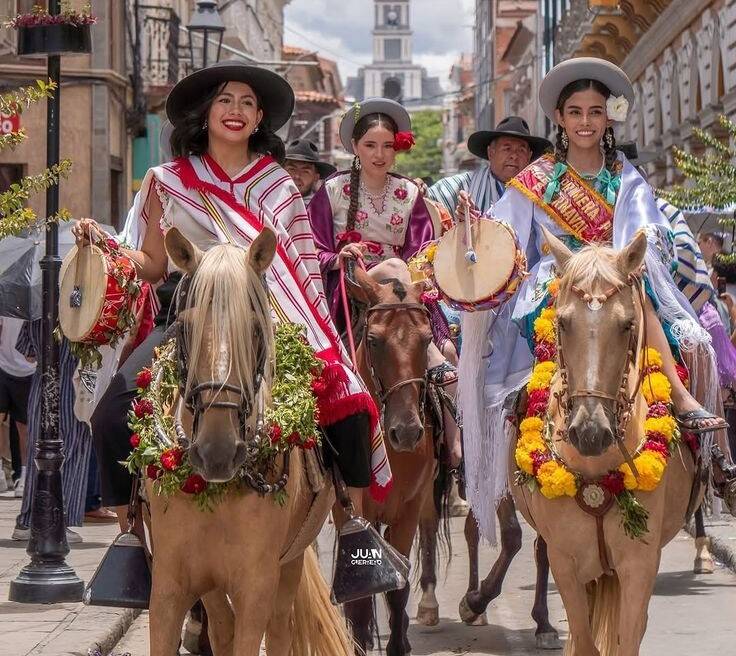
Tarija’s cultural identity is particularly vibrant during its traditional celebrations, including the famous Fiesta de San Roque, as well as other festivals celebrating local music, dance, gastronomy and heritage.
Tarija is a destination where Bolivian culture, nature and wine come together to create an authentic experience.
TARIJA - TOP ATTRACTIONS
-
Tarija Historic Centre: Explore the city's attractive colonial streets, traditional buildings and central squares. The historic centre is ideal for walking and discovering Tarija's cultural heritage.
-
Plaza Luis de Fuentes y Vargas: The city’s main square is surrounded by colonial buildings, cafés, restaurants, and shops. It is a great starting point for exploring the city.
-
Casa Dorada: One of Tarija's most distinctive historic buildings, famous for its ornate architecture and golden façade. Today it is an important cultural and heritage landmark that houses exhibitions and cultural activities.
-
San Francisco Church and Convent: A historic religious complex dating from the colonial period, offering an insight into Tarija's cultural and architectural heritage.
-
Valle de la Concepción: Located near Tarija’s city, this beautiful wine-producing valley is one of the region's highlight and main attraction. The valley is home to vineyards and wineries producing some of Bolivia’s best-known wines. Visitors can enjoy wine tasting, vineyard tours and local food.
-
Wine Route: Tarija is one of Bolivia's principal wine-producing regions. The surrounding vineyards offer opportunities to learn and taste Bolivian wine and singani.
-
Sama Biological Reserve: The Reserva Biológica Cordillera de Sama is a spectacular protected area featuring high-altitude landscapes, lagoons, mountains and diverse wildlife. It is particularly attractive for nature lovers and outdoor enthusiasts.
-
San Lorenzo: A charming historic town located north of Tarija, known for its colonial character, traditional architecture, peaceful atmosphere and connection with Eustaquio “Moto” Méndez, an important figure in Bolivia’s independence history.
-
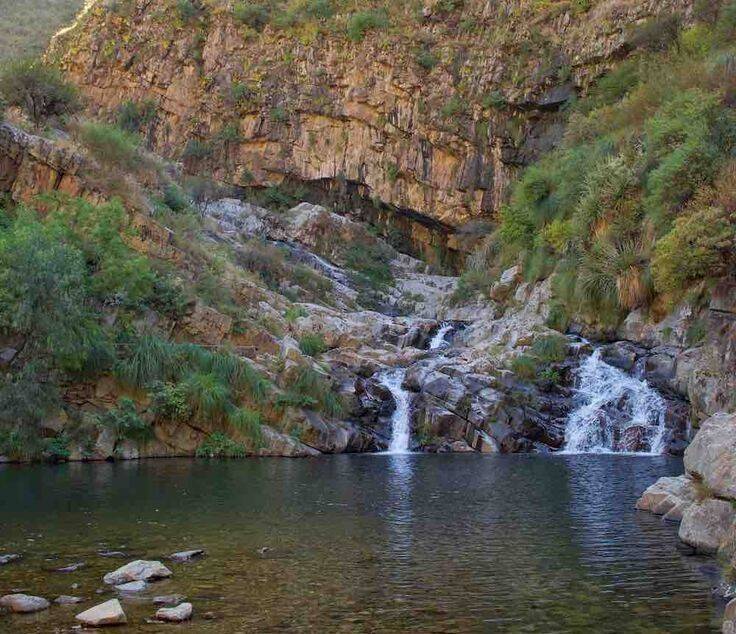
Coimata Waterfalls: Located close to Tarija city, Coimata is a popular natural attraction known for its beautiful scenery and waterfalls, it is surrounded by vegetation and mountains, ideal for visitors seeking a short escape from the city.
-
Tariquía Flora and Fauna Reserve: For nature lovers, the Tariquía Reserve offers forests, mountains and rich biodiversity. It is particularly suitable for visitors interested in wildlife, hiking, conservation and nature-based tourism.
-
Tomatitas: A popular recreational area near Tarija’s riverside, known for its natural surroundings and local restaurants. It is particularly popular with families and domestic visitors.
-
El Valle de los Cóndores: A scenic area offering dramatic landscapes and opportunities to appreciate the region's natural Andean environment. landscapes and wildlife.
-
Other attractions worth visiting
-
Castillo azul
-
Iglesia San Roque
-
Cathedral de Tarija
-
Capilla y Loma de San Juan
-
Museo Paleontológico y Arqueológico
-
Puente San martin
-
Casa vieja
-
San Jacinto
-
Tajzara and lagoons
-
Entre Rios – Chaco Tarijeño
COCHABAMBA
THE GARDEN CITY OF BOLIVIA
Located in the heart of Bolivia, Cochabamba is a welcoming city surrounded by mountains, green landscapes and blessed with a pleasant mild climate, rich cultural heritage and an exceptional culinary tradition. Known as one of Bolivia’s most vibrant destinations, the city offers a fascinating combination of history, nature, culture, outdoor adventure and gastronomy.
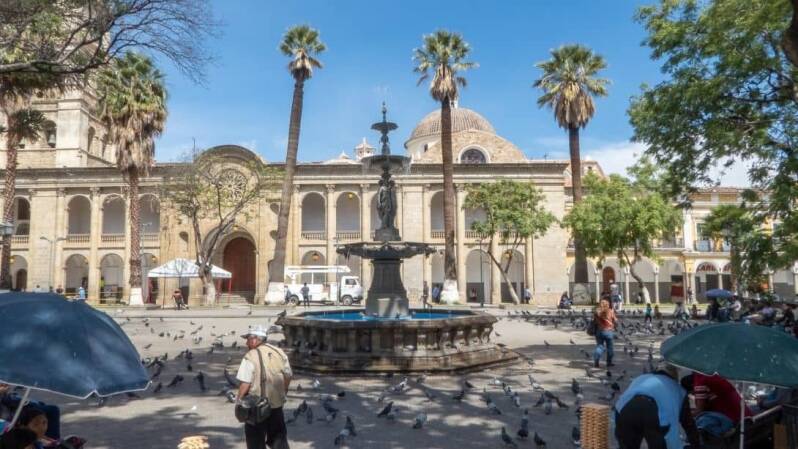
At the centre of Cochabamba, visitors can explore the historic Plaza 14 de Septiembre, traditional markets, museums and the Metropolitan Cathedral featuring colonial and republican architecture. The city is also home to the iconic Cristo de la Concordia, one of Cochabamba’s and Bolivia’s most recognisable landmarks, situated on San Pedro Hill and offering impressive panoramic views across city and surrounding valley.
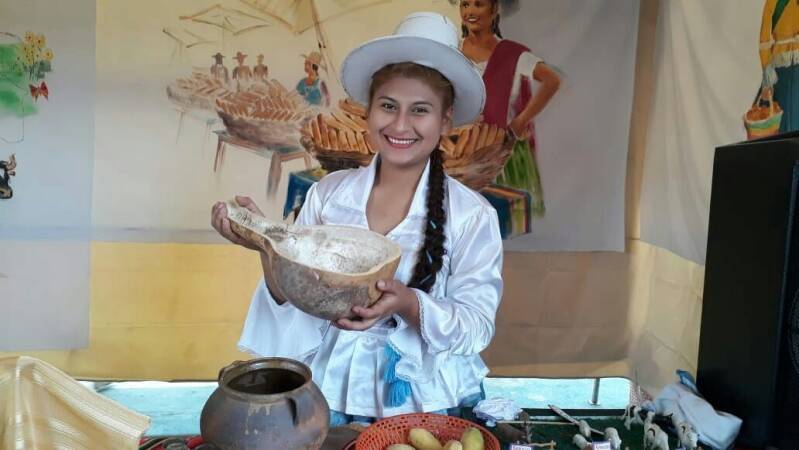
Cochabamba is particularly renowned for its food. Recognised by UNESCO as a Creative City of Gastronomy, the region has a strong culinary identity shaped by its fertile valleys and agricultural traditions. Visitors can experience local specialities such as silpancho, pique macho and chicharrón, alongside a wide variety of traditional dishes and regional flavours.
Beyond the city, the region provides opportunities to discover spectacular mountain landscapes. Including, Tunari and Carrasco national parks, offering opportunities for nature and adventure tourism, while destinations such as Totora offer beautifully preserved colonial and republican architecture and a glimpse into the region's historic past. Further east, the tropical region of Villa Tunari provides access to lush landscapes, wildlife and outdoor adventures.
Whether you are looking to discover Bolivia's culinary traditions, explore its history and culture, enjoy mountain landscapes or venture into tropical nature, Cochabamba offers an authentic and diverse experience at the heart of Bolivia.

COCHABAMBA - TOP ATTRACTIONS
-
Cristo de la Concordia: One of Cochabamba's most recognisable landmarks, the Cristo de la Concordia stands on San Pedro Hill overlooking the city. The monument provides impressive panoramic views across the city’s valley and surrounding mountains.
-
Palacio Portales: Built for Bolivian industrialist Simón I. Patiño, Palacio Portales is an elegant early-20th-century mansion showcasing European-inspired architecture, gardens and lavish interiors. Today it serves as an important cultural and artistic centre.
-
Plaza 14 de Septiembre: The historic heart of Cochabamba, this attractive central square is surrounded by important colonial and republican-era buildings. It is an excellent starting point for exploring the city's historic centre.
-
La Cancha Market:One of Bolivia's largest and busiest markets, La Cancha offers an authentic lively experience of everyday Cochabamba life. Visitors can discover local produce, handicrafts, clothing, and food.
-
Parque nacional Tunari: The Tunari mountain range provides some of the region's most spectacular high-altitude Andean scenery. It is particularly attractive for visitors interested in nature, mountain landscapes and hiking.
-
Incallajta: Located outside Cochabamba, Incallajta is one of Bolivia's significant archaeological sites. The ruins provide an opportunity to explore the country's Inca heritage while experiencing the surrounding rural landscape.
-
Laguna Angostura: This large reservoir south of Cochabamba is surrounded by countryside and mountains. It is a popular area for relaxing, enjoying the landscape and experiencing the region outside the city.
-
Villa Tunari: Further north, Villa Tunari provides a dramatic change of landscape, where the Andes descend towards Bolivia's tropical lowlands. The area is known for its lush vegetation, rivers and wildlife, making it an important destination for nature tourism.
-
Paseo del Prado: One of Cochabamba's best-known urban promenades, Paseo del Prado is lined with trees, restaurants, cafés and historic buildings. It is particularly suitable for experiencing the city's relaxed atmosphere.
-
Carrasco National Park: Located in the eastern Andes of Cochabamba, the park is one of Bolivia’s most important, protected areas, the Park encompasses mountain forests, cloud forests and tropical ecosystems, providing habitat for a wide variety of wildlife and plant species. Carrasco is particularly an important area of conservation and sustainable tourism, offering opportunities for eco-tourism, trekking, wildlife photography and adventure tourism.
-
Other attractions worth visiting:
-
Cathedral Metropolitana de San Sebastián
-
Convento de Santa Teresa
-
Museo Arqueológico de la Universidad Mayor de San Simón
-
Jardin Botánico Martin Cardenas
-
Laguna Alalay
-
Cristo de la Concordia Cable Car
-
Qillacollo and Virgen de Urkupiña
-
Tarata
-
Cliza
-
Pairumani
-
Incachaca
ORURO
BOLIVIA'S CAPITAL OF FOLKLORE
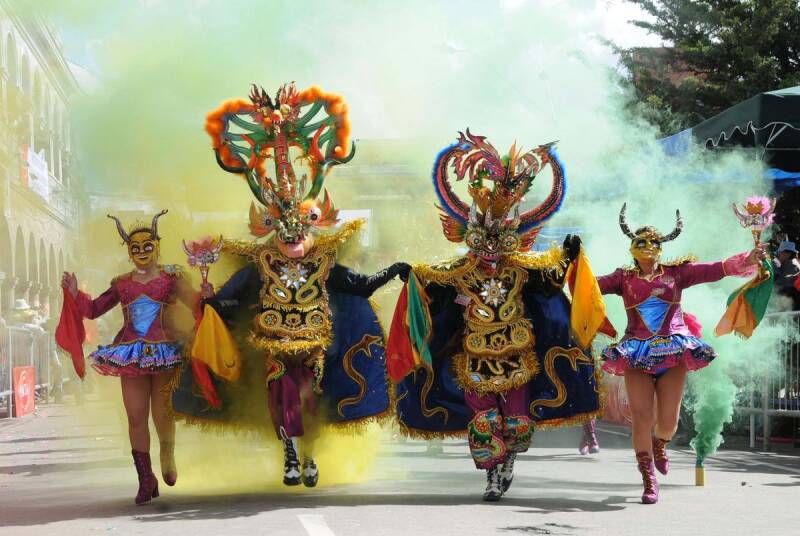
Located in Bolivia’s high-altitude Altiplano, at approximately 3,700 meters above the sea level, Oruro is a city where ancient traditions, Indigenous cultures, mining heritage and spectacular landscapes come together. Known as Bolivia’s capital of folklore, Oruro is best known internationally for its extraordinary Carnival of Oruro, one of the country’s most important cultural celebrations, which has been recognised by UNESCO as a Masterpiece of the Oral and Intangible Heritage of Humanity.
The Carnival of Oruro brings together thousands of dancers, musicians, artisans and communities in a spectacular celebration of faith, music and cultural identity. The festival combines Indigenous traditions with Catholic beliefs, particularly devotion to the Virgen del Socavón, creating one of Bolivia’s most distinctive cultural experiences.
Beyond the carnival, Oruro offers visitors the opportunity to explore Bolivia's mining and railway heritage, archaeological sites, museums, churches, markets and the living Andean cultures of the Aymara and Uru peoples. The surrounding region provides a remarkable contrast of highland landscapes, volcanoes, wetlands and traditional communities.
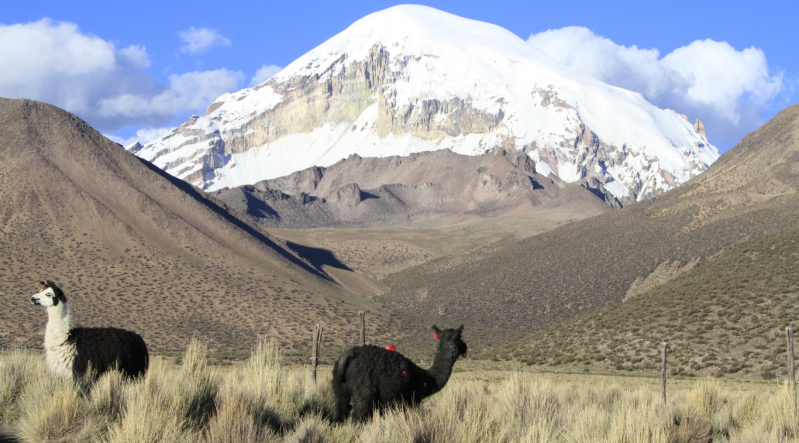
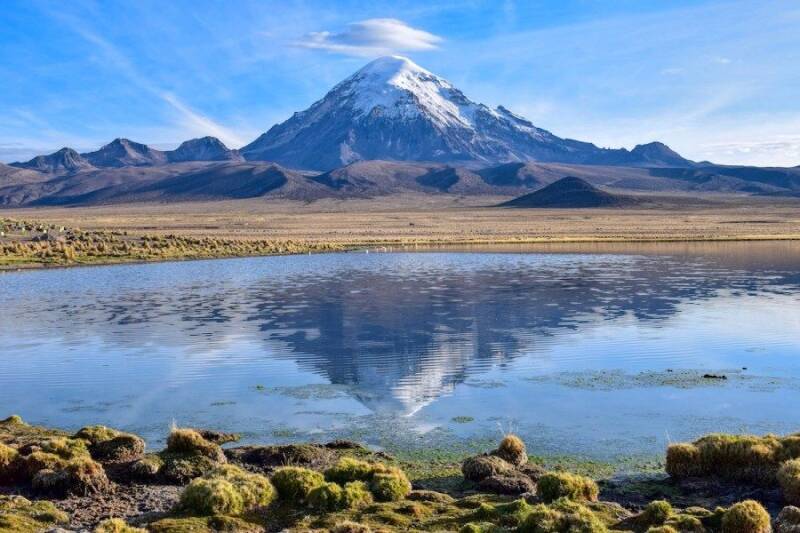
One of the region's major attractions is Sajama National Park, home to Sajama Volcano, Bolivia's highest mountain. Visitors can experience spectacular Andean scenery, hot springs, geysers, wildlife and community-based tourism while discovering the traditions of the communities living around the park.
Oruro is also an excellent gateway to discover lesser-known destinations such as Curahuara de Carangas, the Uru Chipaya communities, Salar de Coipasa, Chullpares and Pucaras, offering opportunities for cultural, archaeological, adventure, mountain and ecotourism experiences.
Oruro is a destination where Bolivia's ancient Andean heritage comes alive through music, dance, spirituality and spectacular landscapes. From the vibrant energy of Carnival to the tranquillity of the high-altitude countryside, Oruro offers travellers an authentic introduction to the cultural heart of Bolivia.
ORURO - TOP ATTRACTIONS
-
Carnival of Oruro: The Carnival of Oruro recognised as a UNESCO Intangible Cultural Heritage event is Bolivia's most famous cultural celebration and one of the largest folklore festivals in South America. Recognised for its spectacular dances, elaborate costumes and religious traditions honouring the Virgin of Socavón, it attracts visitors from around the world every year.
-
Sajama National Park: Sajama National Park is Bolivia’s oldest national park and is home to country's highest mountain, Nevado Sajama at 6,542 meters. Visitors can enjoy volcanic landscapes, hot springs, high-altitude lagoons, wildlife and opportunities for hiking and mountaineering in one of the country's most impressive Andean scenery.
-
Sanctuary of the Virgin of Socavón: Located in the heart of Oruro, the iconic Sanctuary of the Virgin of Socavón is one of the city's most important religious landmarks. It is closely connected to the Carnival of Oruro and reflects the deep spiritual traditions of the region.
-
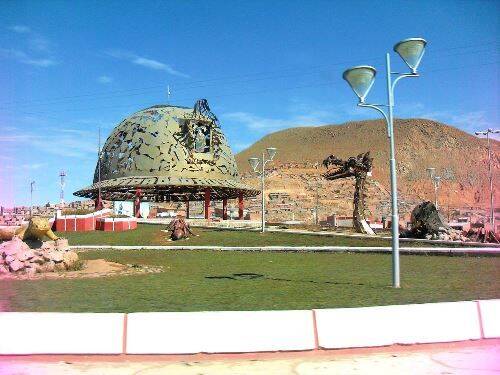
Monumento a la Virgen del Socavón: Overlooking the city, this enormous statue of the Virgin is one of Bolivia’s largest monuments and offers panoramic views of Oruro and the surrounding Altiplano.
-
Plaza 10 de Febrero: The main square of Oruro is surrounded by historic buildings, churches and cafés. It is an excellent place to experience everyday life in the city and admire its colonial and republican architecture.
-
Ethnographic Mining Museum: Oruro's history is closely linked to mining. The Ethnographic Mining Museum introduces visitors to the traditions, tools and working life of Bolivia's miners, offering valuable insight into the industry that shaped the city.
-
Lake Uru Uru: Just outside the city, Lake Uru Uru is a high-altitude wetland that supports birdlife, including flamingos during certain seasons. It also represents an important connection to the region’s indigenous Uru people and is an example of local conservation efforts in the Altiplano.
-
Chipaya Indigenous Community: The Chipaya people are one of Bolivia's oldest Indigenous communities. A visit to the region offers a unique opportunity to learn about their traditional architecture, customs, language and way of life that has endured for centuries.
-
Thermal Springs of Capachos and Obrajes: Located near Oruro city, these natural hot springs are popular for relaxation and wellness after exploring the high-altitude landscapes and provide a peaceful scenery of the Altiplano landscape.
-
Coipasa Salt Flat: Less visited than the famous Salar de Uyuni, Coipasa offers stunning salt landscapes, beautiful reflections during the rainy season, and a more remote travel experience.
-
Other attractions worth visiting:
-
San José Mine
-
Cala Cala Archaeological Site
-
Museo del Socavón
-
Museo Nacional Antropológico Eduardo López Rivas
-
Museo Arqueológico and Mineralógico
-
Museo Simón Patiño
-
Faro de Conchupata
-
Museo Histórico Ildefonso Murguía Anze
-
Casa de la Cultura
-
Lago Poopó
-
Pampa Aullagas
-
Orinoca
-
Huanuni
-
Quillacas
-
Santiago de Huari
POTOSI
A CITY SHAPED BY SILVER, HISTORY, HERITAGE AND ANDEAN CULTURE
Located high in the Bolivian Andes at more than 4,000 metres above sea level, Potosí is one of Bolivia’s most historically significant cities. Founded in 1545 following the discovery of the legendary silver deposits of Cerro Rico (Rich Mountain), Potosí became one of the wealthiest and most important cities in the Spanish colonial world.
At the heart of the city is Cerro Rico, the iconic mountain that dominates the landscape and played a major role in the development of Potosí. The city's remarkable colonial heritage can be seen throughout its historic centre, with beautifully preserved churches, colonial buildings, museums and traditional streets reflecting centuries of Andean and Spanish influences.
Potosí's historic city was recognised as a UNESCO World Heritage Site in 1987, acknowledging its exceptional cultural and historical importance. Visitors can explore one of Bolivia’s most important landmarks such as the Casa Nacional de la Moneda, which provides an insight into the history of silver mining, colonial administrations and the development of the city, as well as historic churches including San Lorenzo and San Francisco while experiencing Potosí’s, distinctive Andean culture.
Beyond its colonial heritage, Potosí offers an opportunity to discover the city’s Andean culture, their traditional festivals, indigenous traditions, local markets, handicrafts and regional cuisine providing visitors with an authentic connection to the city's communities and cultural identity.
Potosí Department is a land of extraordinary contrasts, where colonial history, indigenous culture, mining heritage and spectacular high-Andean landscapes come together. From the historic city of Potosí and the legendary Cerro Rico to the vast white expanse of the Salar de Uyuni, the region offers some of Bolivia's most remarkable travel experiences.
Visitors can explore the geological wonders of Torotoro National Park, discover the colourful lagoons and volcanic landscapes of Eduardo Avaroa National Park, experience the dramatic red-rock valleys surrounding Tupiza, or relax in the thermal waters of Tarapaya.
Discover Potosí – where Andean culture, stunning landscapes, colonial heritage and the history of silver meet high in the Bolivian Andes.


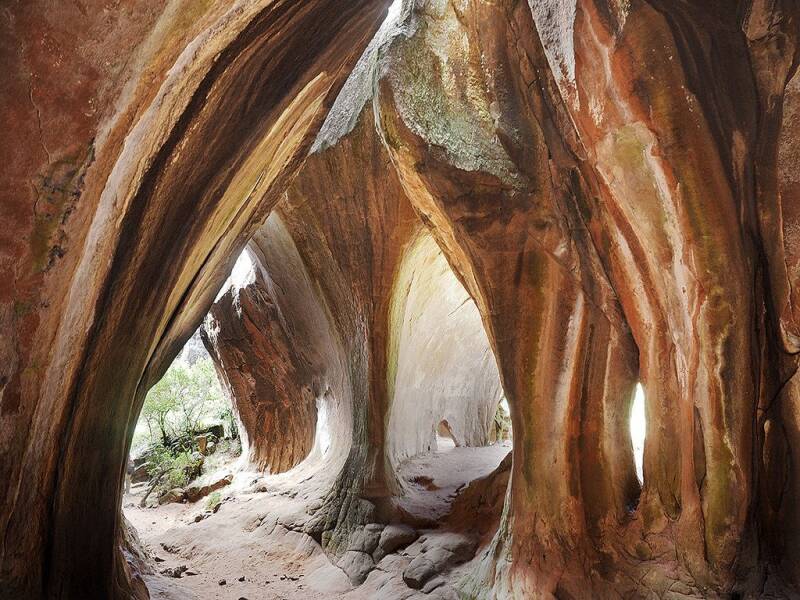
POTOSI - TOP ATTRACTIONS
-
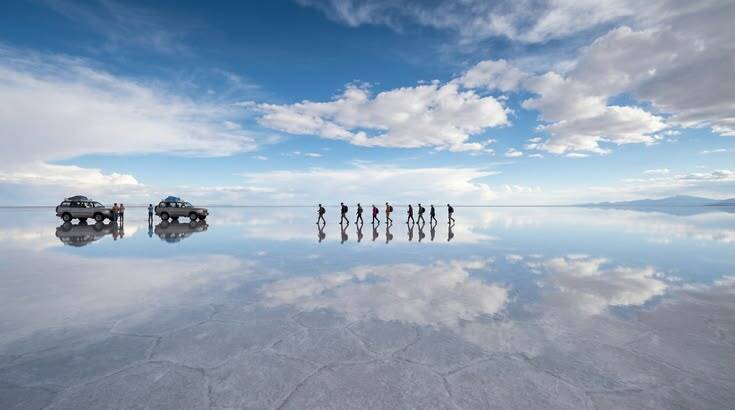
Uyuni – The World’s Largest Salt Flats: Uyuni is the gateway to one of South America’s most extraordinary natural landscapes—the Salar de Uyuni, the world’s largest salt flat. Stretching across an immense expanse of dazzling white salt, this spectacular destination offers visitors an unforgettable experience unlike anywhere else on Earth.
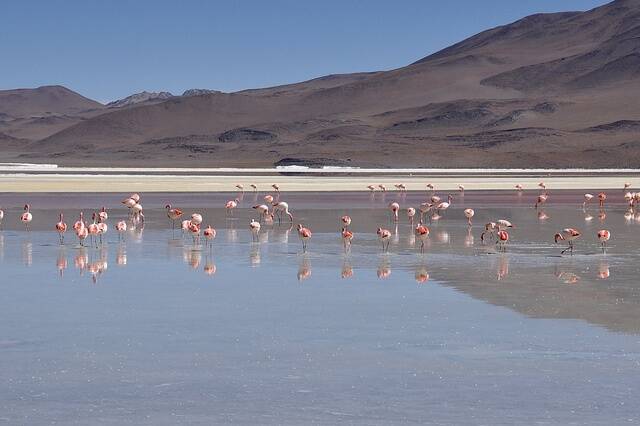
A visit to Uyuni is much more than exploring the salt flats. Travellers can discover Incahuasi Island, famous for its giant cacti and panoramic views, as well as colourful lagoons, volcanic landscapes, high-altitude deserts and unique wildlife in the surrounding region. Flamingos can often be seen around the mineral-rich lagoons, adding colour to this remarkable Andean environment.
The town of Uyuni serves as an important starting point for exploring the region and provides access to some of Bolivia's most spectacular natural and cultural attractions such as the train cemetery, and salt hotels. Traditional communities, local cuisine and the distinctive landscapes of the Bolivian Altiplano provide visitors with opportunities to experience a different side of Bolivia.
For adventure seekers, photographers, nature lovers and travellers looking for extraordinary landscapes, Uyuni is one of Bolivia's must-visit destinations.
-
Casa Nacional de la Moneda: One of Bolivia’s most important historical museums. This impressive colonial building was established as a mint and today houses extensive collections covering the city’s history, art, archaeology and coinage, it represents Potosí's mining, colonial and monetary history.
-
Cerro Rico: The iconic mountain overlooking Potosí and the centre of the city’s historic mining story. Its silver deposits transformed Potosí into one of the most important cities of the colonial era.
-
Historic Centre of Potosí: Explore the colonial streets, churches, plazas and historic buildings that reflect the extraordinary wealth and cultural development of the city during the colonial period.
-
San Francisco Church and Convent: A significant religious and architectural landmark featuring colonial and Baroque elements, historic artwork and an important collection of religious heritage.
-
San Lorenzo de Carangas Church: A historic church recognised as part of Potosí's important religious and architectural heritage for its elaborate Baroque façade incorporating both European and Indigenous artistic traditions
-
Convent and Museum of Santa Teresa: A former Carmelite convent containing religious art and objects that provide an insight into colonial religious life in Potosí. This historic 17th-century convent and museum it is included among the city's principal visitor attractions by Bolivia's tourism authorities.
-
Plaza 10 de Noviembre: The principal historic square in the heart of Potosí, surrounded by important colonial-era buildings and providing an excellent starting point for exploring the city centre.
-
Torotoro National Park: One of Bolivia’s most remarkable natural and geological destinations, Torotoro National Park is famous for its spectacular canyons, caves, rock formations, waterfalls and dinosaur footprints. The park offers excellent opportunities for hiking, geological exploration, paleontology and wildlife observation. Its landscapes reveal millions of years of geological history and make it one of Bolivia’s most distinctive adventure destinations.
-
Eduardo Avaroa National Reserve of Andean Fauna: Located in the far southwest of Potosí, the Eduardo Avaroa National Reserve is one of Bolivia's most spectacular protected areas. The reserve is characterised by its dramatic high-altitude landscapes of deserts, volcanoes, colourful lagoons, geysers and unusual rock formations. It is particularly famous for the landscapes surrounding Laguna Colorada, Laguna Verde and sol de Mañana geothermal fields, Salvador Dalí Desert, Licancabur Volcano, while encountering flamingos and other species adapted to the extreme Andean environment.
-
Oher attractions worth visiting
-
Mercado central de Potosi
-
Ojo the inca
-
Cathedral
-
Mirador de San Francisco
-
Valle de los Ingenios
-
Torre de la Compañía
-
Lagunas de Kari Kari
-
Termas de Tarapaya
-
Tupiza
-
Pulacayo
-
Yocalla
-
Atocha
BENI
THE HEART OF BOLIVIA'S AMAZON
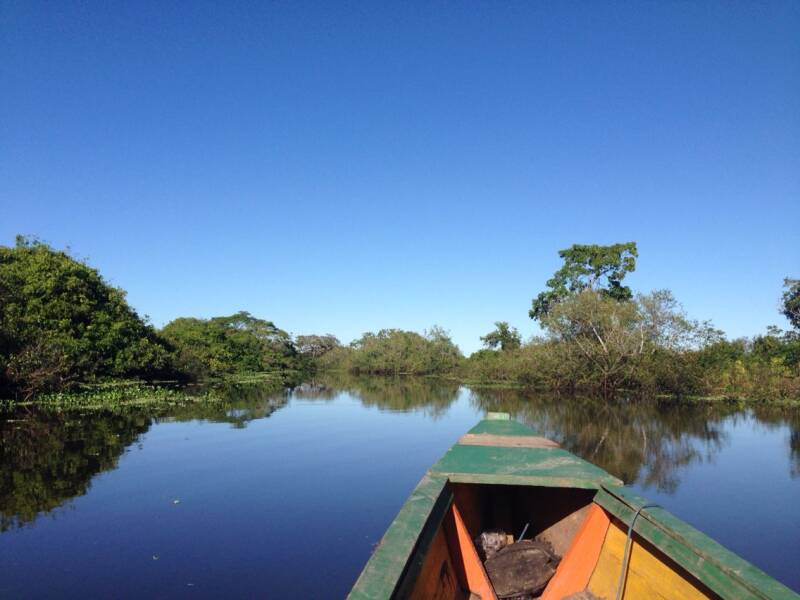
Beni is known as the heart of the Bolivian Amazon and is located in northern Bolivia, where expansive vast wetlands, tropical savannahs, winding rivers and Amazonian forests create one of the country’s most remarkable natural landscapes. Beni offers visitors an opportunity to experience extraordinary biodiversity alongside rich Indigenous and cultural traditions.
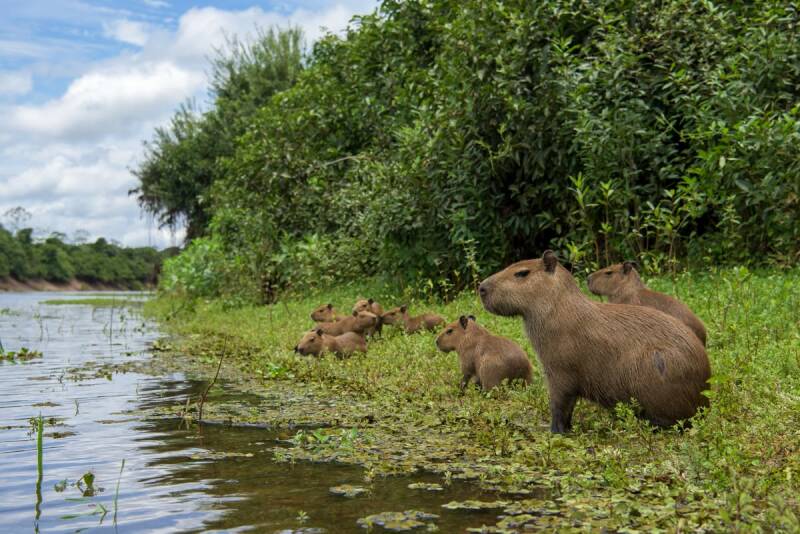
At the centre of the department is Trinidad, the capital of Beni and an important gateway to the surrounding wetlands, rivers and communities. From here, travellers and wildlife enthusiasts can explore the spectacular Llanos de Moxos (Moxos Plains), one of South America’s great seasonally flooded savanna regions, renowned for its wildlife and distinctive landscapes. The region is home to species including the Bolivian river dolphin, jaguar, capybaras, marsh deer, caimans, monkeys and the critically endangered blue-throated macaw.
One of Beni's most fascinating cultural attractions is the heritage of the Moxeño communities, whose traditions, music, crafts and religious celebrations reflect centuries of Indigenous and colonial influences. The region is particularly famous for the Jesuit Missions of Moxos, and the Ichapekene Piesta which recognised by UNESCO as Intangible Cultural Heritage that forms an important part of Bolivia's cultural identity.
Beni’s waterways are an essential part of life in the region. The Mamoré, Beni and Iténez rivers connect communities and provide opportunities for river-based exploration and wildlife experiences. Around Trinidad, the Ruta del Bufeo offers visitors the chance to discover the Bolivian river dolphin in its natural environment.
The region also offers a distinctive culinary experience, with traditional dishes such as majadito, masaco and keperí reflecting the flavours and agricultural traditions of the Beni lowlands.
For travellers seeking nature, wildlife observation, excursions, fishing, photography, agrotourism, river cruises and culture, Beni provides an authentic side of Bolivia that remains relatively unexplored. Discover its rivers, wetlands, forests, wildlife and living traditions while supporting responsible and community-focused tourism.
Beni is where rivers, wildlife, culture and the great tropical plains come together — an extraordinary destination for travellers seeking authentic experiences beyond Bolivia's better-known tourist routes.
BENI - TOP ATTRACTIONS
-
Madidi National Park: Although located in the Department of La Paz, Madidi National Park is best accessed through Rurrenabaque – Beni. The park is one of Bolivia's most important natural destinations, Madidi protects an extraordinary range of ecosystems, from Andean landscapes to Amazonian forests. Visitors can experience rainforest wildlife, birdwatching, river excursions, hiking and community-based tourism.
-
Rurrenabaque: Known as a gateway to the Bolivian Amazon, Rurrenabaque is the main base for exploring Madidi and the surrounding pampas. The town combines Amazonian scenery, river excursions, nature tourism and access to indigenous communities.
-
Pampas del Yacuma: The Pampas del Yacuma is famous for open and spectacular wetlands landscape and abundant wildlife. Visitors can explore the Yacuma River and the wetlands around Santa Rosa del Yacuma, it is particularly attractive for visitors interested in observing birds, monkeys, caimans and the Amazon's freshwater dolphin. The area forms part of the wider Rurrenabaque–Madidi–Pampas destination.
-
Río Yacuma: A river journey along the Yacuma provides an opportunity to experience Beni's spectacular wetlands and observe wildlife from the water. It is currently one of the most popular attractions listed for Rurrenabaque.
-
Cañón del Bala: Located near Rurrenabaque, the Bala Canyon is a dramatic natural landmark associated with the Beni River and the transition between the Andes and Amazon basin. It makes an excellent addition to an Amazon adventure itinerary.
-
San Miguel del Bala: An indigenous community offering community-based tourism and rainforest experiences. It is one of the initiatives specifically highlighted within the Madidi tourism destination.
-
Trinidad: The capital of Beni and an important starting point for exploring the region. Trinidad provides access to attractions including Loma Suárez, Laguna Suárez, Puerto Ballivián, Chuchini, the Mamoré–Ibare river system and surrounding wetlands, rivers, wildlife areas and cultural attractions.
-
Ibare-Mamoré Municipal Protected Area: An important wetland and major river of Beni near Trinidad city. River journeys provide opportunities to experience Amazonian landscapes and potentially observe the Bolivian river dolphin (bufeo).
-
San Ignacio de Moxos: A culturally significant town renowned for its indigenous traditions, music and festivals. It is particularly interesting for visitors interested in indigenous traditions, religious festivals and the cultural history of the Jesuit missions.
-
Riberalta: Located in northern Beni, Riberalta is an important Amazonian town surrounded by rivers and tropical forest, its heritage is associated with the region’s rubber-era history.
-
Other attractions worth visiting:
-
Loma Suárez
-
Chuchini Ecological & Archaeological Complex
-
Puerto Ballivián
-
Barba Azul Nature Reserve
-
Ríos Negro y Blanco Wildlife Reserve
-
TIPNIS – Isiboro Sécure National Park and Indigenous Territory
-
Itenez River & Iténez Protected Area
-
Loreto
-
Laguna Suárez
-
Guayaramerín
-
Cachuela Esperanza
-
Reserva de la Biosfera del Beni
-
Iténez
-
Rio Beni
-
Reyes
-
Pilón Lajas
PANDO
BOLIVIA'S AMAZONIAN WILDERNESS
Located in the far north-west of Bolivia, Pando is a remote and fascinating region where vast Amazonian forests, winding rivers and extraordinary biodiversity create an authentic destination for nature and adventure. Pando is Bolivia's youngest department, created on 24 September 1938, and its capital is Cobija, a small city situated directly on the border with Brazil. The city has a distinctive Amazonian character and strong commercial and cultural connections with neighbouring Brazilian communities and it serves as the gateway to this largely unexplored part of the country.
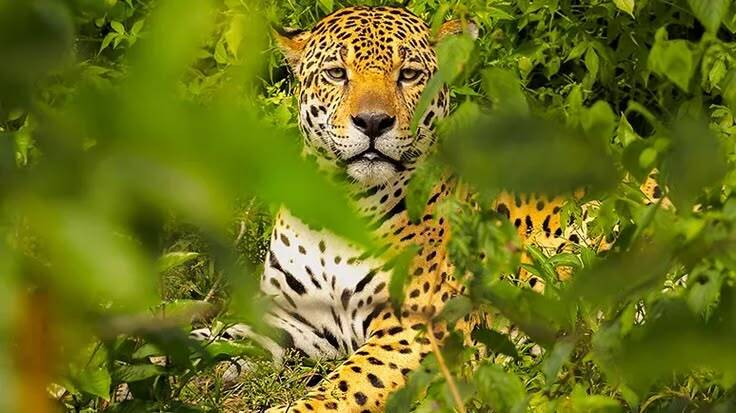
Pando is characterised by dense tropical rainforest and rich ecosystems that support an impressive variety of wildlife and plant species. The region offers opportunities to experience Bolivia’s Amazon rainforest through river excursions, wildlife observation, forest walks and community-based experiences.
The region has a long history associated with rubber, Brazil nuts (castaña), timber, fishing and forest-based activities. These traditions remain an important part of the economic and cultural identity of northern Bolivia.
For travellers looking beyond Bolivia’s better-known destinations, Pando provides a chance to discover a quieter and less-visited side of the country. Its Amazonian landscapes, local traditions and connection between communities and nature make it particularly appealing to visitors interested in ecotourism, biodiversity, responsible travel and authentic cultural experiences.
Pando is a destination where the journey itself becomes part of the experience — an opportunity to explore Bolivia’s Amazon and discover one of the country’s most remote and naturally rich regions.

PANDO - TOP ATTRACTIONS
-
Reserva Nacional de Vida Silvestre Amazónica Manuripi: One of Pando's most important natural destinations is the Manuripi National Amazon Wildlife Reserve, an extensive protected area characterised by rainforest, rivers, lakes and exceptional biodiversity.
The reserve provides opportunities to experience the Amazon in a relatively wild environment. Activities can include nature observation, photography, river excursions, birdwatching and exploration of forest ecosystems, depending on local conditions and authorised tourism services. The reserve includes important waterways such as Manuripi River and Madre de Dios River.
-
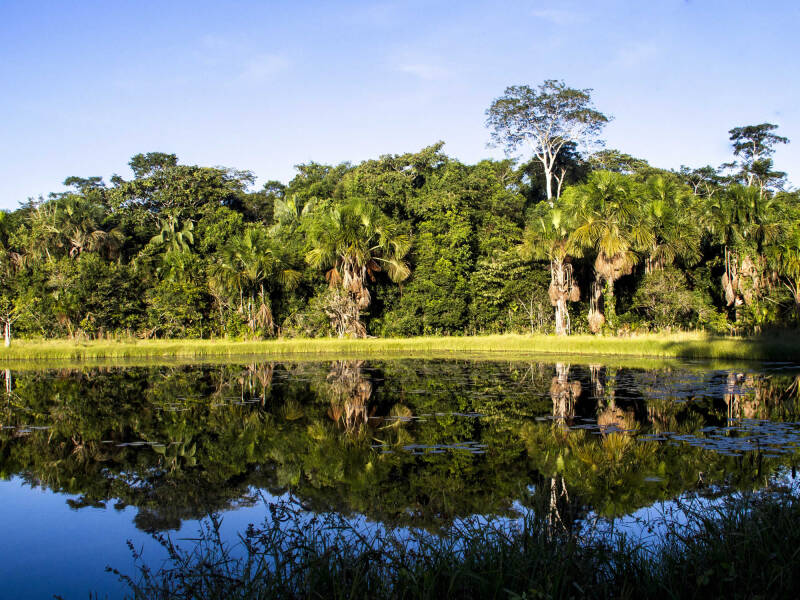
Lago Bay: Lago bay is one of the most important attractions of Pando, it’s located within the Manuripi reserve the calm waters of the lake is surrounded by the Amazonian forest.
Visitors can explore the lake by boat, observe birds and other wildlife, photograph the surrounding rainforest. Lago Bay can be presented as an ideal destination for travellers looking for tranquillity, biodiversity and authentic Amazonian experiences.
-
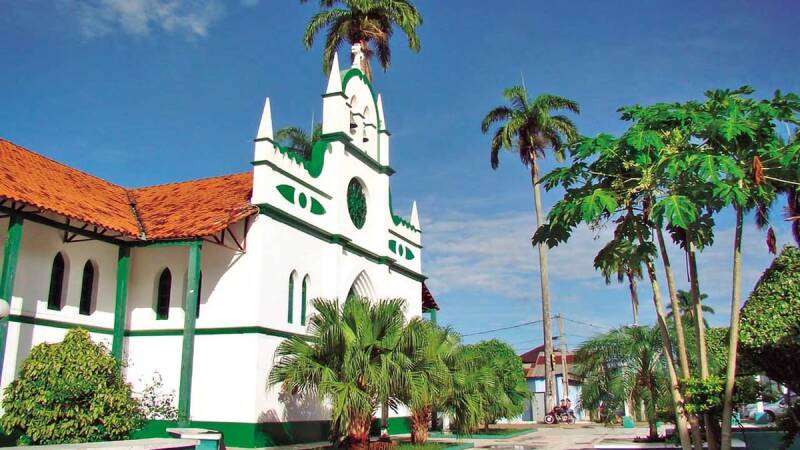
Cobija: The capital of Pando, Cobija, is a small amazonian city located close to the Brazilian border, provides an excellent starting point for discovering the northern Bolivian Amazon. The city combines Amazonian landscapes with a distinctive regional history which reflects the historical connection with the rubber industry.
-
Cachuela Esperanza: Cachuela Esperanza is a historic settlement associated with the development of the Amazonian economy. Its history reflects the importance of rubber production, Brazil nuts and timber in the region. It offers an opportunity to explore another side of Pando beyond its forest and rivers.
-
Madre de Dios River: The Madre de Dios is an important Amazonian waterway in Pando, providing opportunities for river excursions so visitors can appreciate the rainforest, observe wildlife and experience the landscape from the water.
-
Plaza Germán Busch Becerra:Is the principal square of Cobija provides an opportunity to experience the city centre and learn about the history of Pando and its creation as a department in 1938, and a good starting point for exploring the city's historic centre.
-
Museo de Historia Natural Pedro Villalobos: A Natural History Museum in Cobija dedicated to exhibit biodiversity of northern Bolivia's Amazon region. Its collections include Amazonian fish, animal specimens and educational displays, making it particularly interesting for visitors interested in nature and environmental education.
-
Casa de la Cultura Hermanos Torrico: Housed in a historically significant building in Cobija, exhibit monuments, educational murals and serves for cultural events.
-
Paseo Junín: A historic area of Cobija and part of Bolivia's cultural heritage. Paseo Junín is a public space that follows an old route connecting the city with the former river port of Bahía and reflects the importance of the rubber era in Pando's history.
-
Monumento “El Carretón”: One of Cobija's recognizable landmarks, the El Carretón monument reflects the historical importance of transportation and the rubber-producing era in the area.
-
Other attractions worth visiting:
-
Manuripi River
-
Tahuamanu River
-
Laguna Tumichucua
-
Momentos biocentro
-
Monumento Bruno Racua
-
Paeo turistico el prado
-
Monumento Germán Busch Becerra
-
Mural od the University Amazónica de Pando
-
El Porvenir
-
Puerto Rico
-
El Sena