

EXPERIENCE BOLIVIA’S FESTIVALS & LIVING TRADITIONS
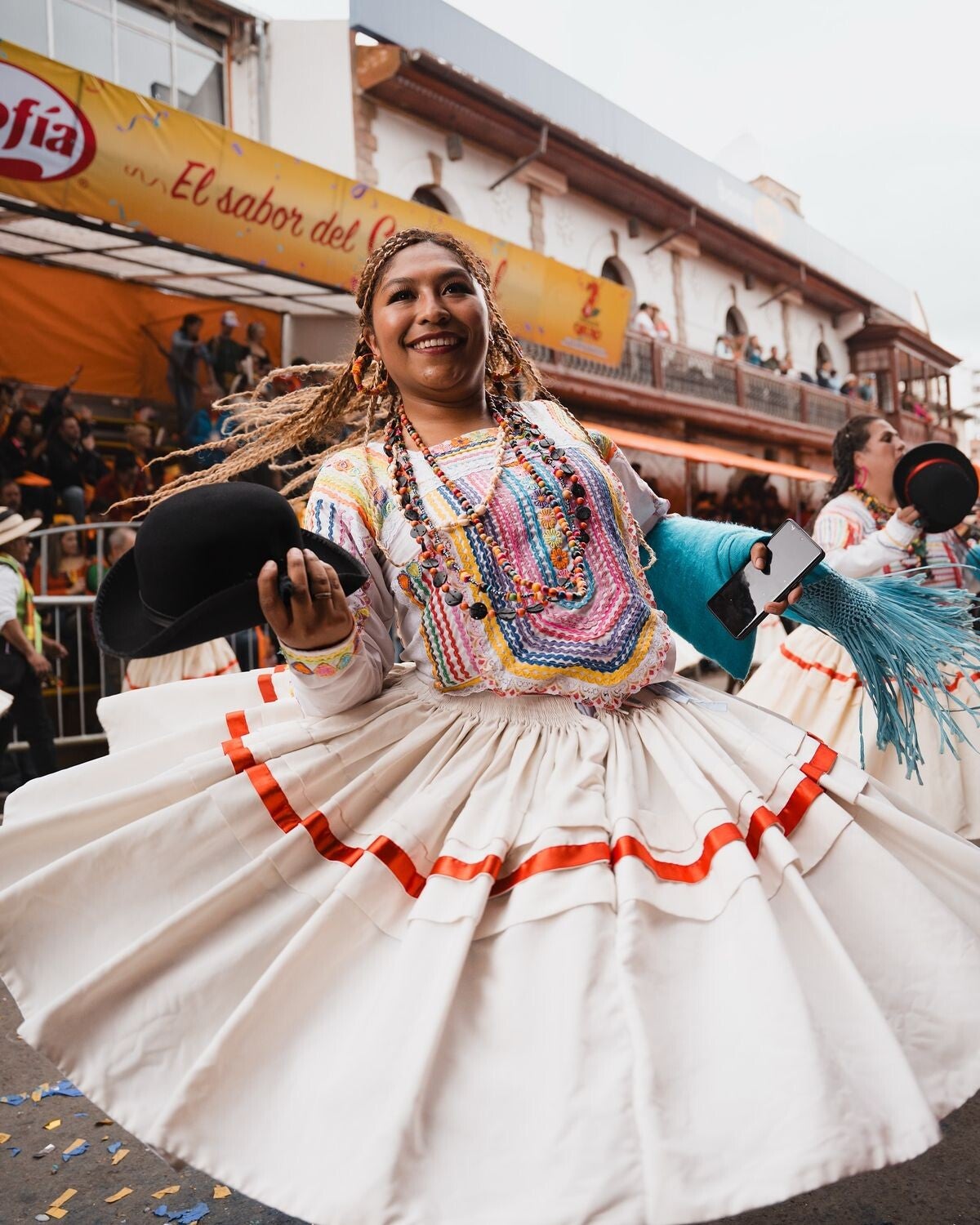
Festivals and events are the heartbeat of Bolivia! where ancient traditions, music, dance, faith and community come together in spectacular celebrations. From colourful Andean processions and lively carnival parades to indigenous ceremonies, cultural festivals and regional fairs, every event offers a unique window into Bolivia’s rich and diverse culture. These celebrations are more than spectacular events—they are living expressions of identity, spirituality and cultural heritage.
Throughout the year, towns and communities across the country celebrate traditions passed down through generations, often blending Indigenous beliefs with Spanish and Catholic influences. Discover the people, stories and customs that bring Bolivia’s communities together throughout the year.
MAJOR FESTIVALS & EVENTS


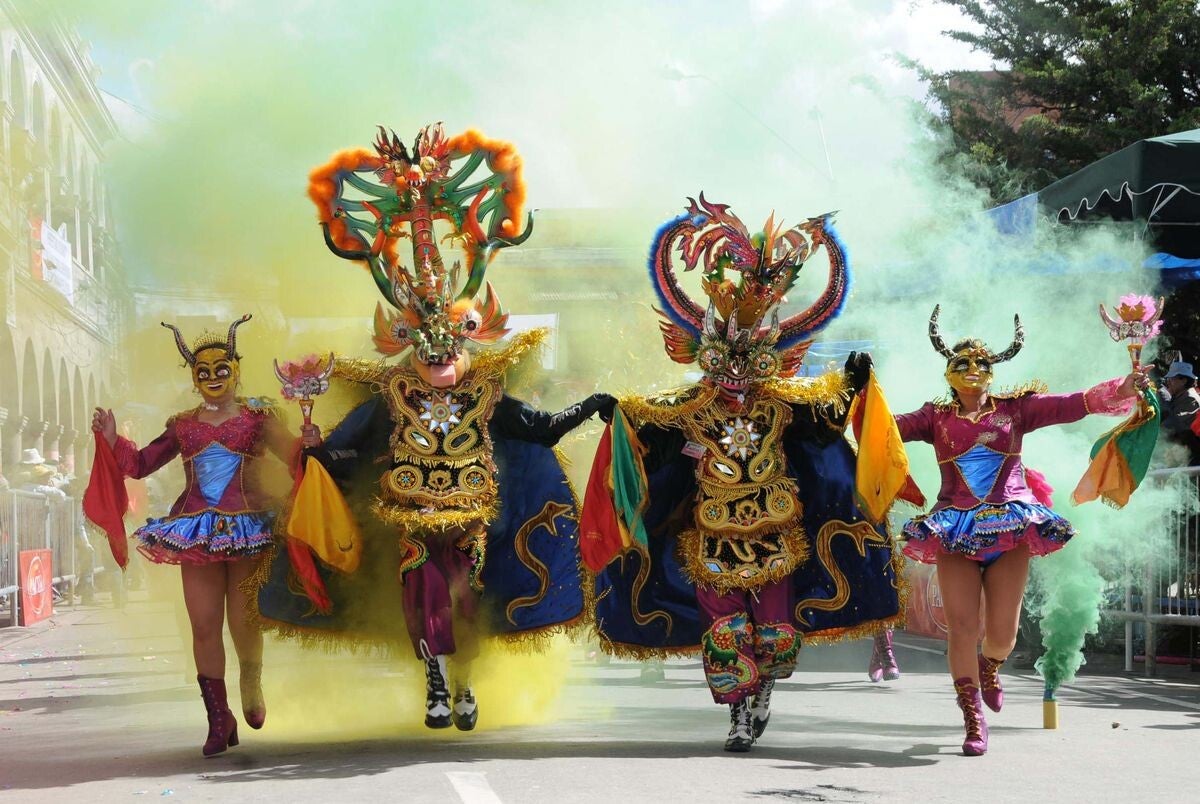
ORURO CARNIVAL
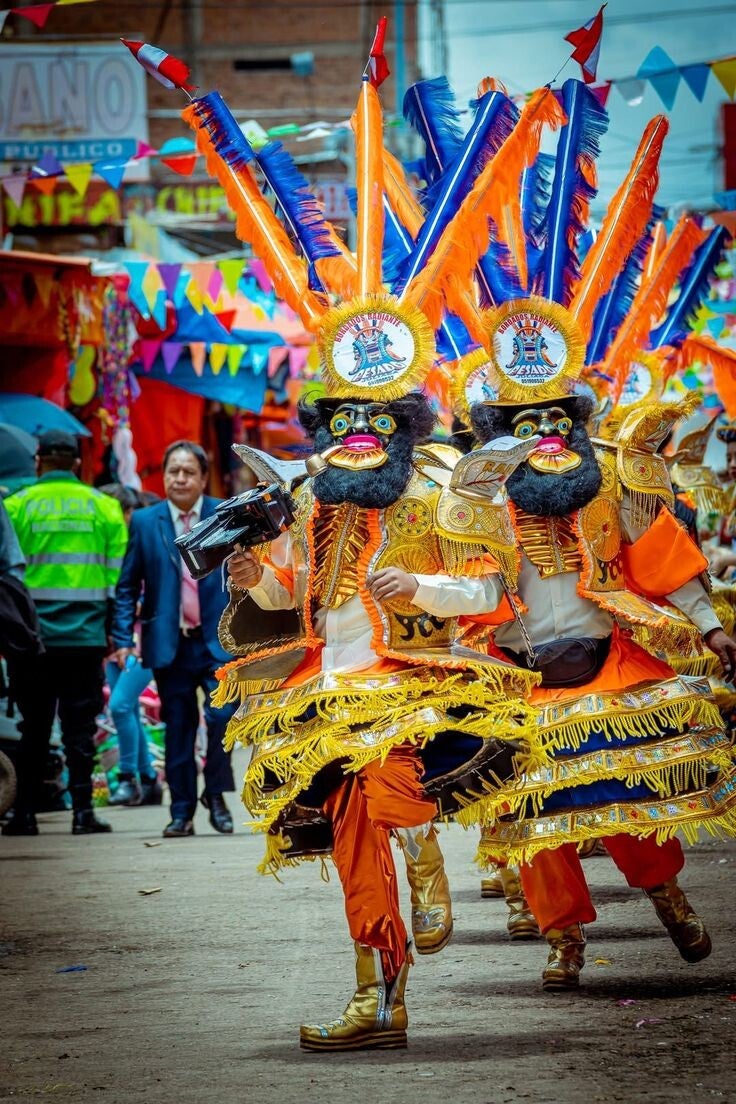
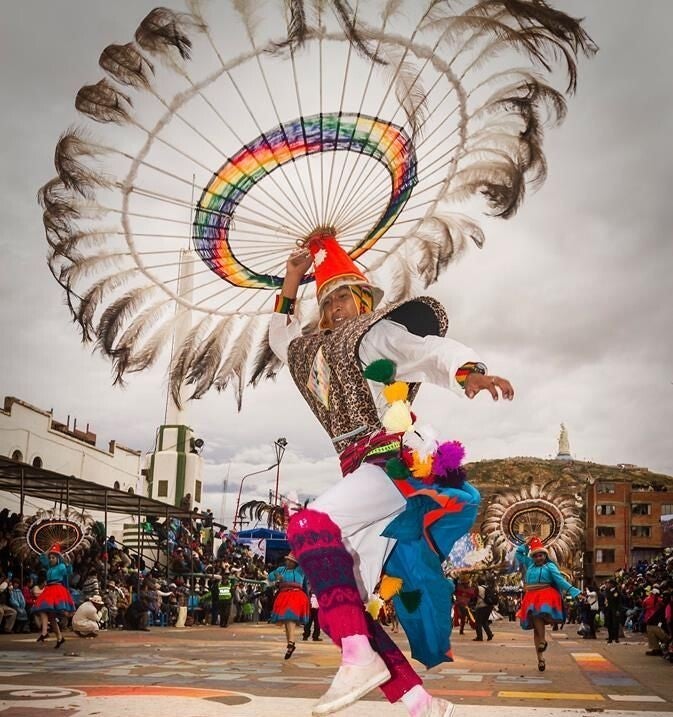
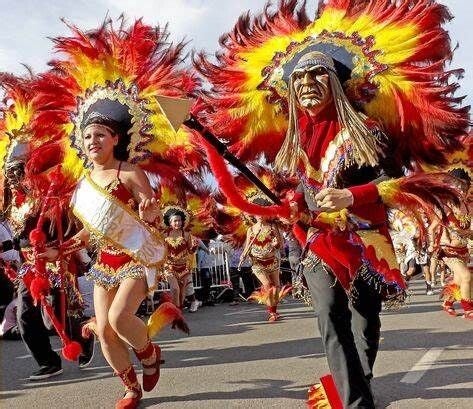
Experience the vibrant Carnival of Oruro, one of Bolivia’s most spectacular cultural celebrations. This extraordinary festival brings together colourful costumes, traditional music and iconic dances such as the Diablada, Morenada and Tinku, blending ancient Andean traditions with Catholic devotion. The Carnival was inscribed by UNESCO in 2008 on the Representative List of the Intangible Cultural Heritage of Humanity.
Where: Oruro, Bolivia, approximately 3,700 metres above sea level in the Bolivian Altiplano. The main procession takes place through the city, finishing at the Sanctuary of the Virgen del Socavón.
When: The Carnival is celebrated annually around February or early March, depending on the Easter calendar. For 2027, the main pilgrimage is scheduled for Saturday, 6 February, followed by the Sunday Carnival celebrations on 7 February.
Why Visit: Join thousands of dancers and musicians for an unforgettable celebration of Bolivia’s living heritage, where folklore, faith, music and Andean traditions come together in one spectacular and unforgettable festival.


GRAN PODER — LA PAZ
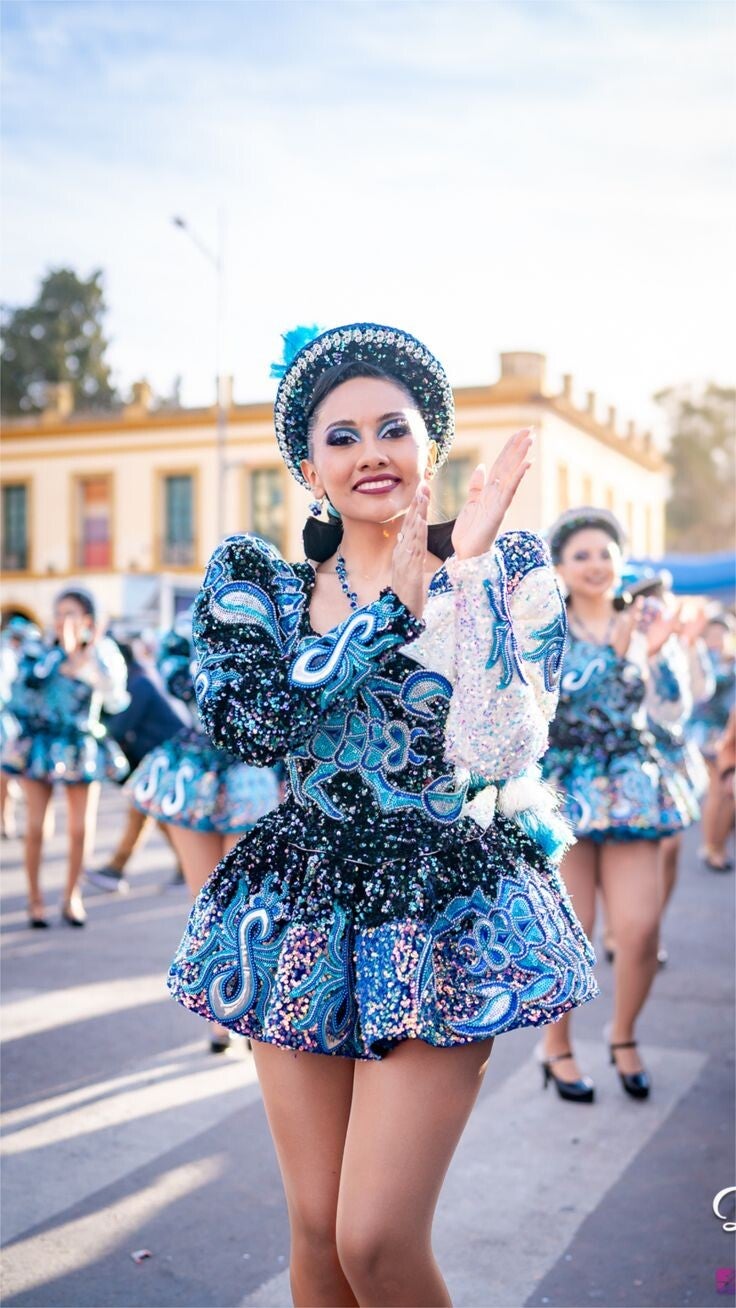
The Fiesta del Señor Jesús del Gran Poder is one of La Paz’s most spectacular cultural and religious celebrations, bringing together faith, music, dance and Andean traditions. The highlight is a vibrant folkloric parade featuring thousands of dancers and musicians performing traditional dances such as morenada, caporales, kullawada and tinku. The festival was inscribed by UNESCO as Intangible Cultural Heritage of Humanity in 2019.
Where: La Paz, Bolivia, the main parade travels through the streets of central and western La Paz, with important activities centred around the Gran Poder neighbourhood and its sanctuary.
When: May–June, on the occasion of the Catholic Feast of the Holy Trinity, but the exact date changes each year according to the religious calendar, this year 2026 was held on Saturday 20th June.
Why Visit: Visitors have the opportunity to witness spectacular traditional costumes, energetic dances, live Andean music and the deep connection between Catholic faith and Andean cultural traditions. It is an unforgettable celebration of La Paz's identity and cultural heritage.


URKUPIÑA FESTIVAL
The Festival of the Virgin of Urkupiña is one of Bolivia’s most vibrant religious and cultural celebrations. The festival brings together faith, Indigenous traditions, music, colourful folkloric dances and community celebrations. Known as the “Fiesta de la Integración”, it is a powerful expression of Bolivia’s cultural diversity and devotion.
Where: It is held inn Quillacollo, Cochabamba, Bolivia, just west of the city of Cochabamba. The main celebrations take place around the San Ildefonso Sanctuary and Cerro de Cota, associated with the tradition of the Virgin’s appearance.
When: Traditionally take place around 14–16 August, although activities begin earlier and continue into the month. The programme includes the Great Folkloric Entrance, the religious celebration and the pilgrimage to the Calvario. In 2026, the principal events were held from 14 to 16 August.
Why Visit: Experience one of Bolivia’s most spectacular combinations of faith, folklore and living culture. Visitors can see hundreds of musicians and dancers, experience traditional celebrations and witness the meeting of Catholic devotion with Indigenous cultural traditions. The festival is also on UNESCO’s list of elements under consideration for inscription in 2027.


VIRGEN DE GUADALUPE FESTIVAL
The Virgen de Guadalupe Festival is one of Sucre’s most important religious and cultural celebrations, bringing together faith, music, traditional dances, indigenous Quechua expressions, colourful costumes and community traditions. The celebration dates back more than four centuries and was inscribed on the UNESCO Representative List of the Intangible Cultural Heritage of Humanity in 2025.
Where: The festival takes place throughout Sucre, Chuquisaca, with major activities centred around the Metropolitan Cathedral, the historic centre and the Sanctuary of the Virgen de Guadalupe.
When: The main religious celebration is 8 September, while activities extend through August and September. In 2026, the programme runs from 21 August to 12 September, with the spectacular Gran Entrada Folklórica on 11–12 September.
Why visit: Visit to experience one of Bolivia’s most vibrant expressions of living heritage. The festival offers a unique opportunity to witness traditional dances, music, processions, devotional ceremonies and elaborate handmade costumes while experiencing the historic beauty and cultural atmosphere of Sucre.


CH’UTILLOS – FIESTA DE SAN BARTOLOMÉ
Ch’utillos, also known as the Festival of San Bartolomé and San Ignacio de Loyola, is one of Potosí’s most spectacular cultural celebrations. Held each August, the festival brings together traditional and folkloric dances, music, colourful costumes, gastronomy, religious devotion and indigenous traditions. In 2023, UNESCO inscribed Ch’utillos on the Representative List of the Intangible Cultural Heritage of Humanity.
Where: Potosí, Bolivia, with important activities taking place in the city and the pilgrimage route towards the sanctuary at Mullu Punku.
When: August, with the principal celebrations traditionally centred around 24 August and the festivities continuing through the month.
Why Visit: Experience one of Bolivia’s great celebrations of living culture. Visitors can enjoy spectacular dance parades, traditional music, local food and crafts while discovering the deep connection between Catholic faith, Andean traditions and the agricultural cycle. The festival also provides an opportunity to witness cultural expressions from Potosí’s rural communities and neighbouring regions and also an opportunity to combine a cultural visit with Potosí’s historic colonial city centre.


INTERNATIONAL FESTIVAL OF BAROQUE AND RENAISSANCE MUSIC OF CHIQUITOS
The International Festival of Renaissance and American Baroque Music “Misiones de Chiquitos” is one of Bolivia’s most remarkable cultural events, bringing historic Baroque and Renaissance music to life in the beautiful Jesuit Mission churches of eastern Bolivia. The festival celebrates a unique musical heritage created through the encounter of European and Indigenous traditions, with performances by Bolivian and international musicians.
Where: The festival is centred in Santa Cruz de la Sierra and the historic Jesuit Missions of Chiquitos, including destinations such as San Javier, Concepción, San Ignacio de Velasco, San Miguel, Santa Ana, San Rafael and San José de Chiquitos. Concerts are held in historic churches and cultural venues, creating an extraordinary combination of music, architecture and living heritage.
When: The festival is traditionally held every two years. The 15th edition took place from 17–26 April 2026, featuring more than 130 concerts across multiple venues.
Why Visit: Visitors have the opportunity to experience the extraordinary music in the historic Jesuit mission churches, discover Chiquitania’s living cultural heritage, and explore a region where history, architecture, music, crafts, gastronomy and nature come together. It is an exceptional opportunity to experience Bolivia’s Baroque heritage in the places where this musical tradition was preserved and rediscovered.


ALASITAS - LA PAZ
“A Festival of Dreams, Prosperity & Tradition” Alasitas is one of La Paz’s most distinctive cultural celebrations, centred on the belief that small handmade objects can represent hopes and aspirations for the year ahead. Visitors can explore colourful stalls filled with miniature houses, vehicles, businesses, food, money and other symbolic objects associated with prosperity and wellbeing. The tradition is closely connected with Ekeko, the Andean figure of abundance and prosperity.
Where: La Paz, Bolivia, with activities taking place at the main Alasitas fair. The tradition is also celebrated in other Bolivian cities, but La Paz is its principal setting.
When: Celebrations begin on 24 January each year and traditionally continues for around two to three weeks.
Why Visit: See thousands of colourful handmade miniatures and traditional crafts, learn about Ekeko and Andean beliefs surrounding abundance and prosperity, experience the blending of Andean and Catholic traditions, meet local artisans and discover traditional miniature craftsmanship and experience a celebration recognised by UNESCO as Intangible Cultural Heritage of Humanity, inscribed in 2017.


CARNAVAL DE SANTA CRUZ
The Carnaval de Santa Cruz de la Sierra is one of Bolivia’s most vibrant celebrations, bringing together music, dance, elaborate costumes, colourful comparsas and the distinctive traditions of Santa Cruz. Known locally as the “Fiesta Grande de los Cruceños,” the carnival is a joyful expression of regional identity and community spirit.
Where: The celebration takes place in Santa Cruz de la Sierra. The spectacular Corso Cruceño is traditionally held at the Cambódromo, where comparsas, folkloric groups, dancers and the Carnival Queen parade along the route.
When: Carnival takes place around February or early March, depending on the annual Carnival calendar. Festivities begin weeks earlier with precarnavaleras, coronations and other cultural events, followed by the main Corso and several days of traditional celebrations.
Why Visit: Visit and experience one of Bolivia’s most energetic cultural celebrations. Enjoy spectacular costumes, traditional and contemporary dances, colourful floats, live music and the lively atmosphere created by hundreds of comparsas.


CARNAVAL GRANDE DE SUCRE
Carnaval de Sucre are vibrant traditional celebrations, bringing the historic capital to life with colourful costumes, lively comparsas, traditional dances, music, parades and community celebrations. The festival blends longstanding local traditions with the joyful spirit of carnival, creating a memorable cultural experience for visitors.
Where: Sucre, Chuquisaca, Bolivia. Celebrations take place throughout the historic city and surrounding districts, with major activities and parades held in central areas and along designated routes.
When: Takes place annually around February or early March, with activities spread across several weeks. In 2026, the official programme ran from 24 January to 15 February, culminating in the Corso Infantil and Carnaval Grande on 15 February.
Why Visit: Experience Sucre at its most festive and discover a living tradition through music, dance, colourful costumes, traditional celebrations and local culture. It is an excellent opportunity to experience the city’s community spirit while exploring its beautiful colonial architecture, museums, cuisine and surrounding attractions.


CARNAVAL CHAPACO - TARIJA
Carnaval Chapaco is one of Tarija’s most colourful and joyful cultural celebrations, bringing together traditional music, dance, costumes, food and rural traditions. The festivities showcase the warm hospitality and distinctive identity of the Chapaco people, with celebrations extending from the city into surrounding communities and countryside.
Where: Tarija, Bolivia, particularly the city of Tarija and the surrounding rural communities of the department.
When: Celebrated annually during the Bolivian Carnival season, with festivities beginning before Carnival through Compadres and Comadres and continuing through Carnival weekend, Monday and Tuesday. The exact dates change each year according to the Carnival calendar.
Why Visit: Experience Tarija at its most vibrant and welcoming. Carnaval Chapaco offers visitors an opportunity to enjoy traditional music, dances, costumes, local cuisine and community celebrations, while discovering the living cultural heritage of southern Bolivia. The festival is officially recognised as Cultural and Intangible Heritage of the Department of Tarija.


CARNAVAL LA PAZ
Carnaval de La Paz is a vibrant celebration of music, dance, humour and popular culture, bringing the streets of Bolivia’s highland capital to life with colourful costumes, traditional characters and lively folkloric performances. The Pepino and Ch’uta, iconic figures of the Paceño carnival, are at the heart of the festivities, reflecting La Paz’s unique cultural identity and traditions.
Where: The carnival takes place throughout La Paz, with major activities and folkloric parades taking place along central streets, avenues and neighbourhoods of the city. Key events include the Jisk’a Anata, Farándula de Pepinos and the traditional Corso/Corcova.
When: Celebrations generally take place around February or early March, although the wider Carnaval Paceño programme can begin weeks earlier and continue after the main Carnival weekend. In 2026, the official programme ran from 18 January to 13 March, with the principal Carnival celebrations taking place in February.
Why Visit: Visit Carnaval de La Paz to experience one of Bolivia’s most distinctive urban celebrations, where traditional dance, music, costumes, satire, gastronomy and local identity come together. It is a wonderful opportunity to experience the creativity and festive spirit of La Paz while discovering traditions that have been passed down through generations.


CARNAVAL COCHABAMBA
Carnaval de Cochabamba, also known as the Carnaval de la Concordia, this festivity brings together traditional dances, folkloric music, lively comparsas, regional customs, playful celebrations and the famous puchero, a traditional Carnaval dish. Across the department, communities add their own traditions, making the celebration a vibrant expression of Cochabamba’s cultural identity.
Where: Cochabamba City and communities throughout Cochabamba Department, Bolivia. The main celebration takes place in the city, culminating in the Corso de Corsos, while towns and communities across the valleys hold their own Carnaval traditions.
When: January to March, with the main Carnaval celebrations taking place around February. Dates change each year according to the Carnaval calendar. In 2026, the Corso de Corsos was held on 21 February.
Why visit: Experience Cochabamba at its most festive, with colourful folkloric performances, traditional music, local food, lively street celebrations and centuries-old cultural traditions. It is an excellent opportunity to experience the diversity of Cochabamba’s communities and enjoy the region’s famous Carnaval atmosphere or better well known as Carnaval Cpchabambino.


PUJLLAY DE TARABUCO
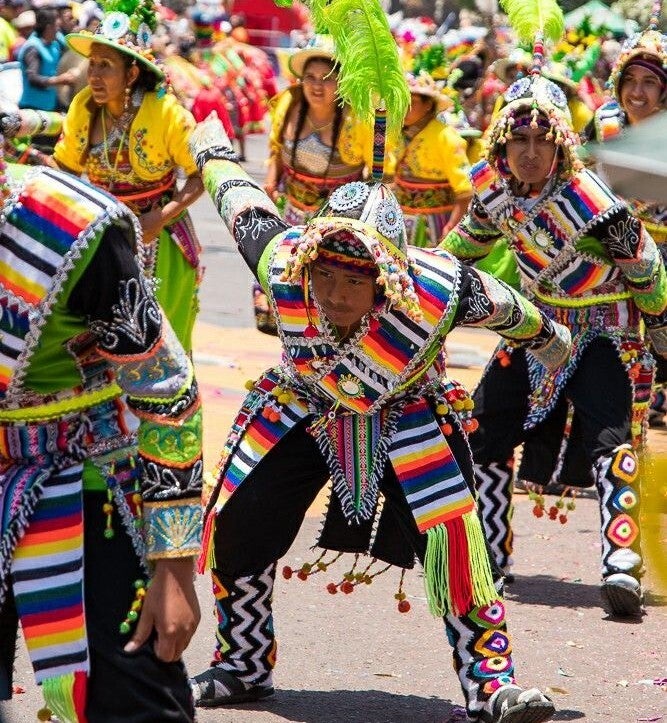
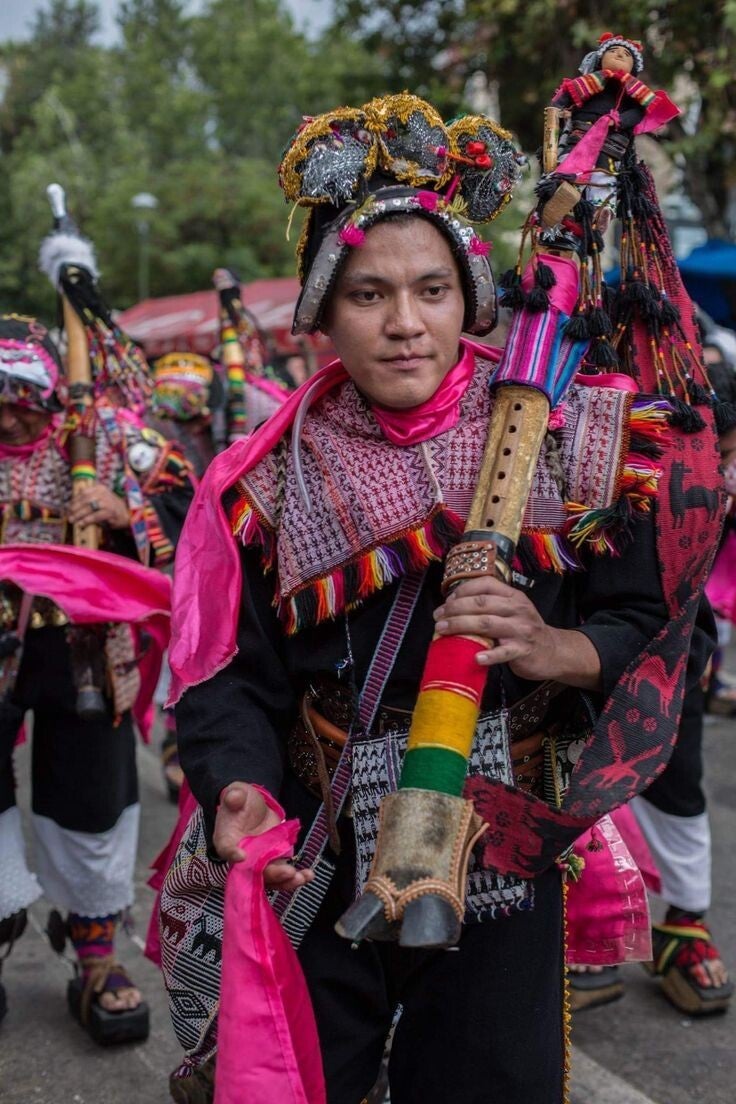
Pujllay de Tarabuco is one of Bolivia’s most vibrant indigenous cultural celebrations, showcasing the music, dance, colourful clothing and traditions of the Yampara people. The festival celebrates the renewal of life and abundance associated with the rainy season, while also commemorating the historic Battle of Jumbate of 1816. Pujllay, together with Ayarichi, was inscribed on the UNESCO Representative List of the Intangible Cultural Heritage of Humanity in 2014.
Where: Tarabuco, Yamparáez Province, Chuquisaca Department, approximately 60 km from Sucre, in the heart of Yampara territory.
When: Usually held on the third Sunday of March, during the final part of the rainy season. The exact date changes each year.
Why visit: Experience an authentic celebration of Yampara culture through spectacular traditional dances, live indigenous music, elaborate costumes, community gatherings and local food. It is a unique opportunity to experience Bolivia's living cultural heritage and see traditions that have been passed down through generations.


INTI RAYMI – FESTIVAL OF THE SUN
Inti Raymi, meaning “Festival of the Sun,” is an ancient Andean celebration honouring the Sun and marking the winter solstice and the beginning of a new agricultural cycle. In Bolivia, it is closely associated with Willka Kuti, the Aymara “Return of the Sun,” celebrated through ancestral ceremonies, music, dance and offerings to the Pachamama (Mother Earth).
Where: The main celebration in Bolivia takes place at Tiwanaku, in the Department of La Paz, particularly around the Kalasasaya Temple and other sacred sites. Similar ceremonies are held at sacred places and Indigenous communities throughout Bolivia.
When: 21 June, coinciding with the winter solstice in the Southern Hemisphere. Arrive early, the main ceremonies begin around sunrise, when visitors gather to welcome the returning sun and the beginning of a new cycle.
Why Visit: Experience one of Bolivia’s most meaningful living traditions, witness the first rays of the sun over the ancient Tiwanaku ruins, and discover Andean spirituality, music, dance and cultural traditions in an extraordinary archaeological setting.


TODOS SANTOS
A Sacred Celebration of Life, Memory & Family. Todos Santos is a deeply meaningful Bolivian tradition held each year to honour and remember loved ones who have passed away. Rooted in Andean beliefs and Catholic traditions, families prepare beautifully decorated mesas (altars) with flowers, candles, photographs, traditional breads, fruits and favourite foods of the deceased. The celebration reflects the belief that the souls of loved ones return temporarily to share this special time with their families.
Where: Todos Santos is celebrated throughout Bolivia, particularly in Andean communities, towns, cities and surrounding rural communities. Traditions vary from one region to another.
When: 1–2 November every year. November 1 is Todos Santos (All Saints' Day), followed by Día de los Difuntos (Day of the Dead) on November 2.
Why Visit: Experience one of Bolivia's most intimate cultural traditions and discover how families honour their ancestors through food, music, flowers, prayers and beautifully prepared altars. Visiting during Todos Santos offers a respectful opportunity to learn about Bolivia's Andean worldview, family traditions and enduring connection between the living and their ancestors.