

BOLIVIAN HIGHLIGHTS: AN EXPLORER’S DREAM
Prepare to be captivated by Bolivia’s extraordinary landscapes, vibrant cultures and unforgettable experiences. From the vast Uyuni Salt Flats and dramatic Andean peaks to the Amazon rainforest and the country’s rich indigenous heritage, every journey reveals something remarkable.
Explore iconic destinations, discover hidden gems and experience the traditions, flavours and natural wonders that make Bolivia truly unique.
Your extraordinary Bolivian adventure begins here!
SALAR DE UYUNI
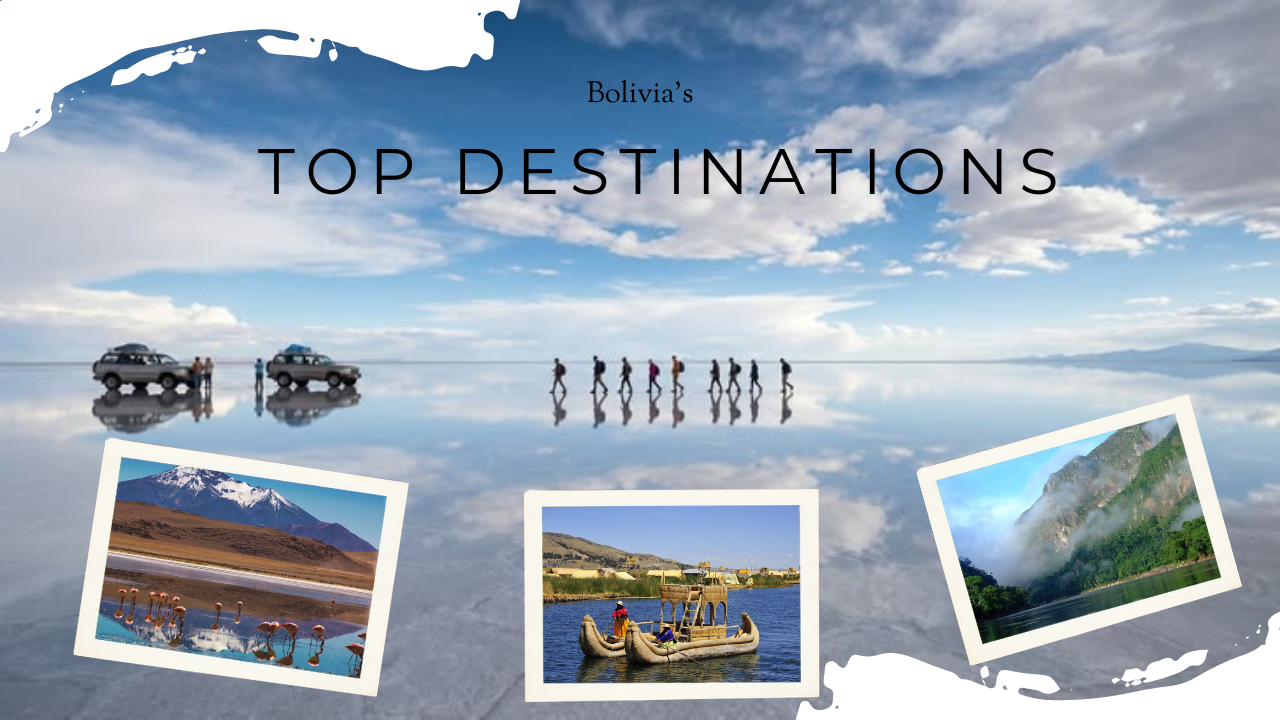
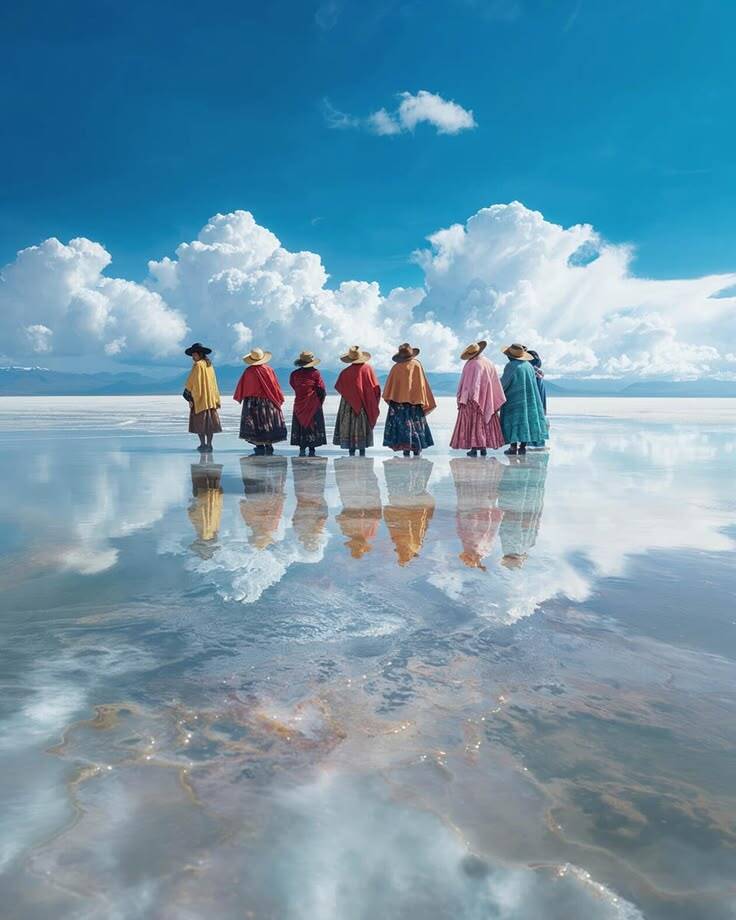
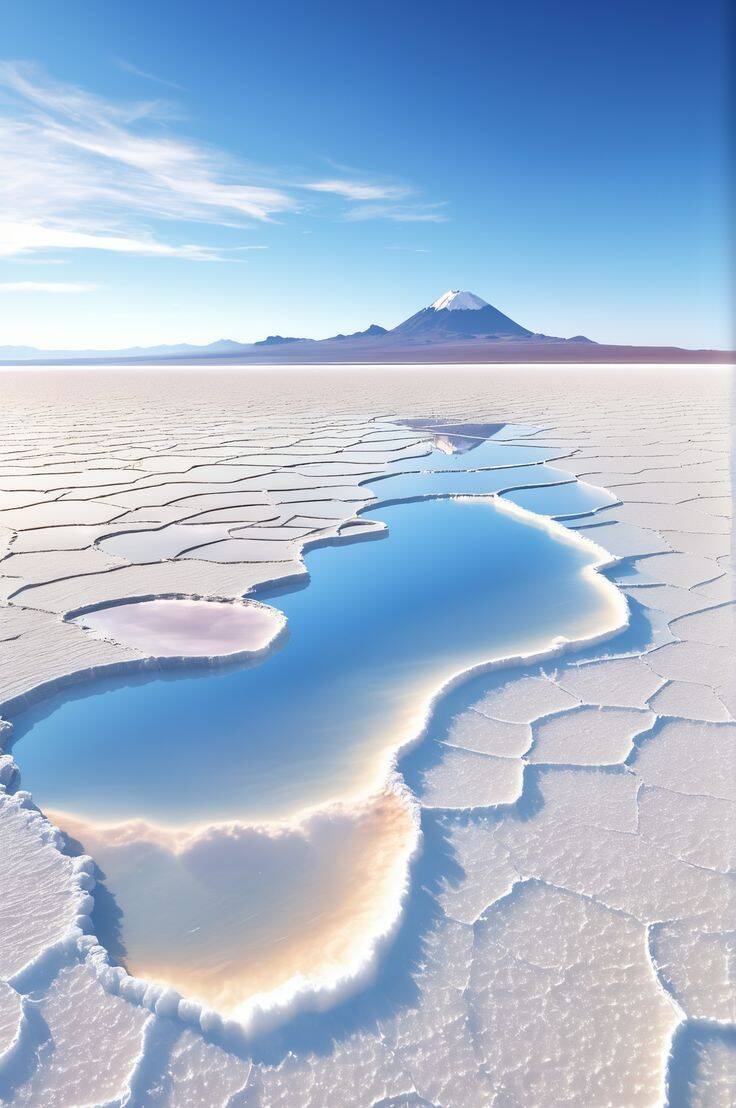
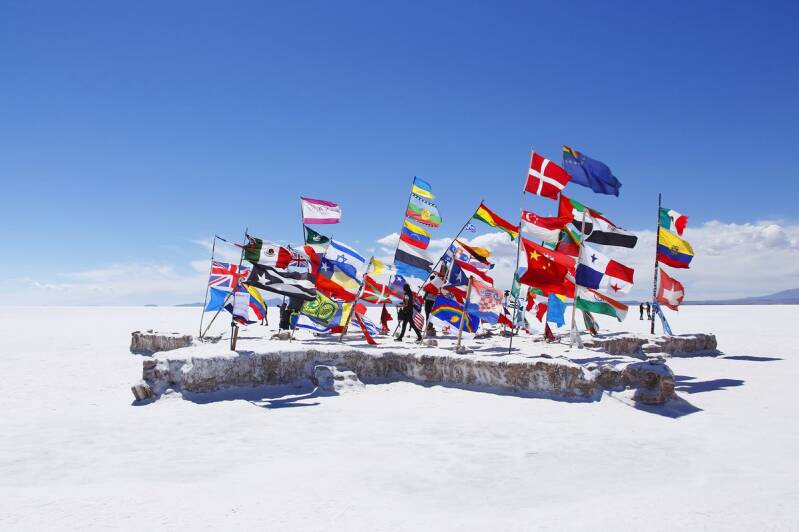
The Salar de Uyuni is one of Bolivia’s most extraordinary natural landscapes and the world’s largest continuous salt flat. Covering more than 10,500 km², this immense white area lies high in the Bolivian Altiplano and creates an unforgettable landscape of salt, sky and distant mountains. During the rainy season, a thin layer of water can transform the surface into a spectacular natural mirror, reflecting the sky and creating the illusion of an endless horizon.
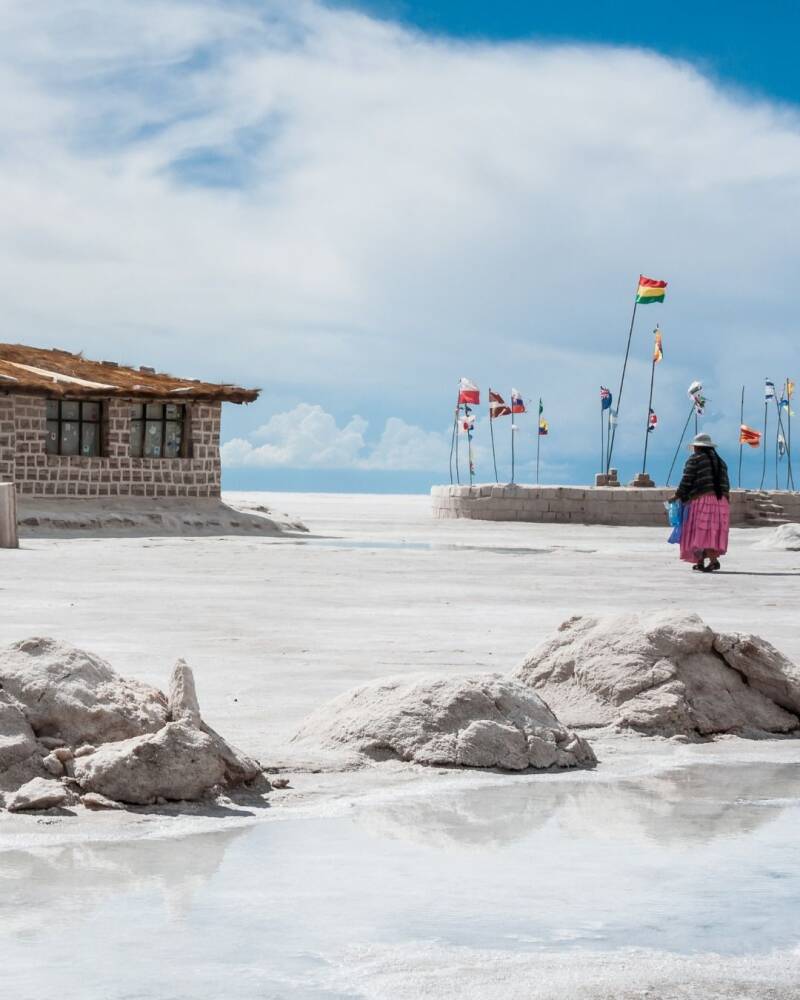
The Salar also plays an important role in the local economy and cultural heritage, with communities such as Colchani traditionally relying on salt extraction and handicrafts as important sources of income.
Location: The Salar de Uyuni is located in southwestern Bolivia, in the Department of Potosí, near the town of Uyuni. The town of Uyuni is the main gateway for visitors, while Colchani, approximately 20 km from Uyuni, provides one of the principal entrances to the salt flat.
Altitude: The Salar sits at approximately 3,650 metres (11,975 feet) above sea level. Because of the high altitude, visitors are advised to allow time to acclimatise, stay hydrated and explore the area at a comfortable pace.
Its People: The surrounding area is traditionally inhabited by Aymara and Quechua communities, whose cultural heritage is closely connected to the high-altitude environment of the Bolivian Altiplano. For generations, local communities have adapted their way of life to the harsh but remarkable landscape. Salt harvesting, llama and alpaca herding, agriculture, handicrafts and tourism remain important sources of income.
Things to Do: Visitors can experience the Salar in many different ways:
-
Explore the vast salt landscape by 4WD.
-
Walk across the geometric salt formations.
-
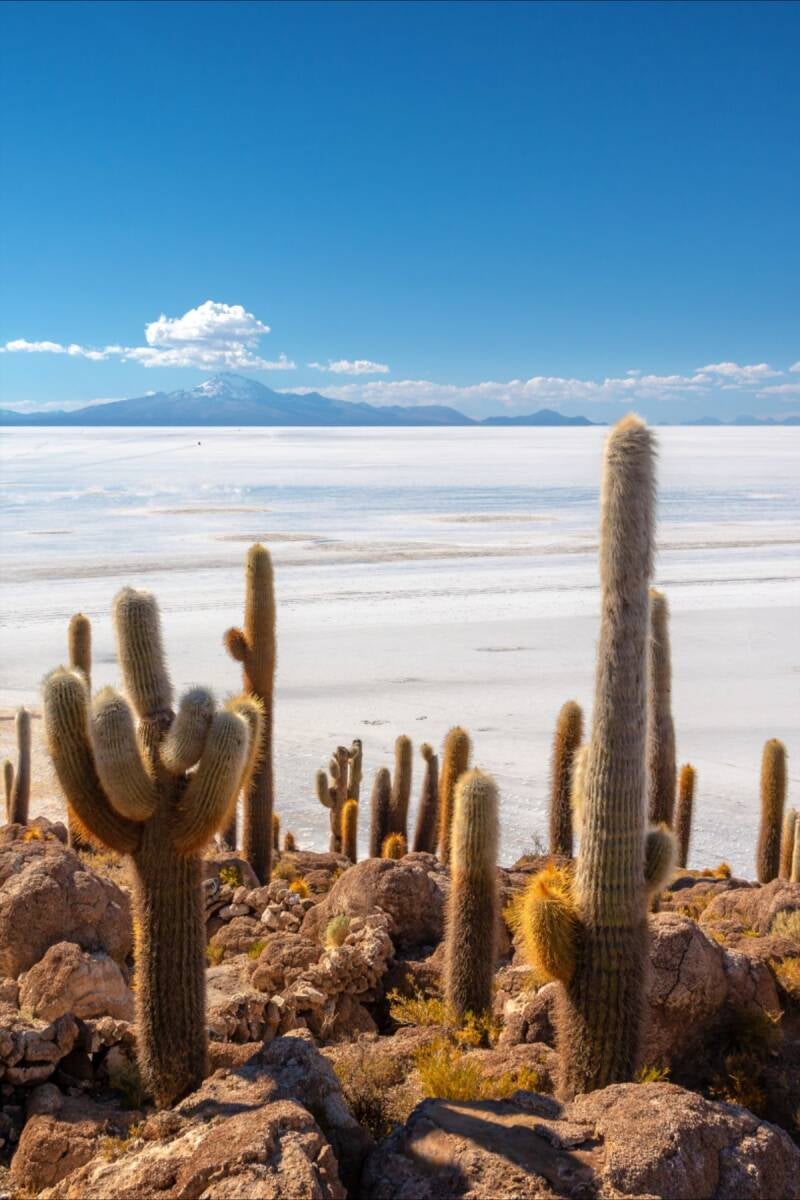
Visit the Isla Incahuasi, famous for its giant cacti.
-
Take creative perspective photographs across the salt flats.
-
Visit local salt-producing communities and workshops.
-
Enjoy sunrise and sunset over the Salar.
-
Experience the spectacular mirror effect during suitable rainy-season conditions.
-
Take a short hike on Isla Incahuasi or around the foothills of Tunupa.
-
Combine the Salar with the coloured lagoons and landscapes of the Eduardo Avaroa region.
-
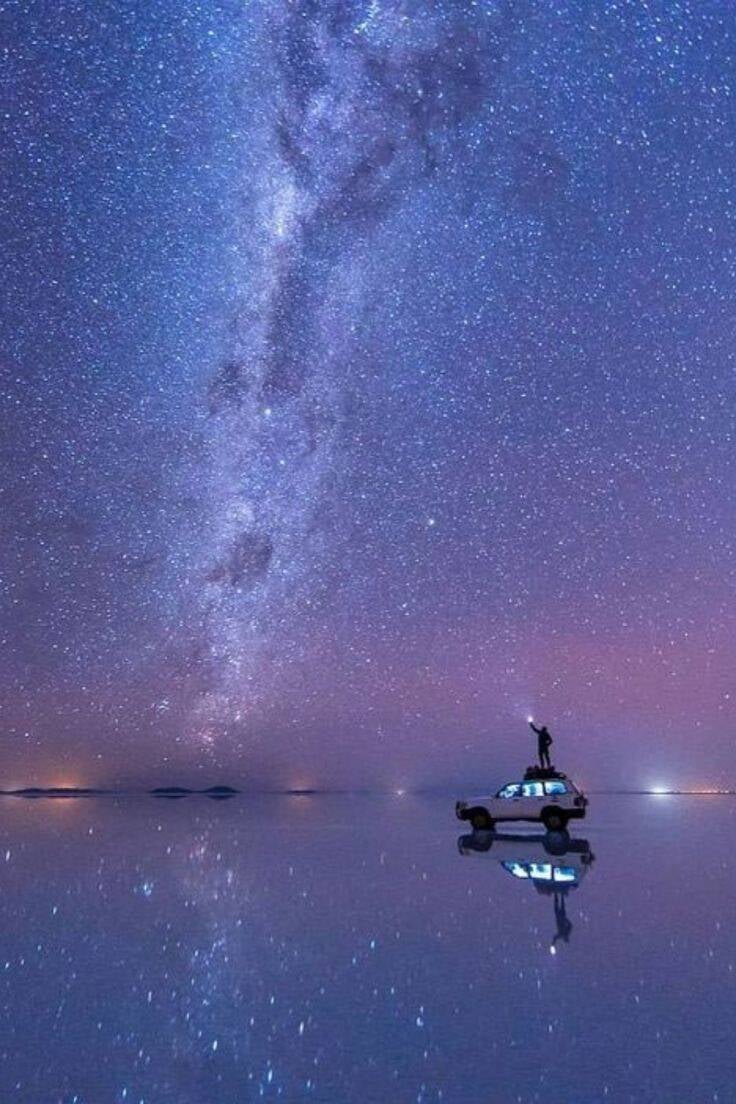
Enjoy night-time stargazing when weather conditions are favourable.
Beyond the Salar - Places to Explore:
- Colchani: A traditional community at the edge of the Salar where visitors can learn about local salt production, browse handmade crafts and see traditional salt-processing techniques.
- Train Cemetery: Located outside Uyuni, this atmospheric site contains abandoned locomotives that reflect the region's historic railway and mining past.
- Isla Incahuasi: A rocky island rising from the salt plain, covered with impressive giant cacti and offering panoramic views across the Salar.
- Volcán Tunupa: A striking volcanic landmark on the northern side of the Salar. The surrounding area offers dramatic landscapes, traditional communities and archaeological sites.
- Ojos del Salar: Natural openings and pools where water emerges through the salt crust, providing an insight into the geological character of the Salar.
- Salt Hotels and Salt Structures: Traditional salt architecture and structures provide an opportunity to discover how local communities have incorporated the region's most abundant natural resource into tourism.
- Laguna Colorada and Eduardo Avaroa: For visitors taking a multi-day route, the journey can continue into the Eduardo Avaroa National Reserve, where spectacular volcanic landscapes, high-altitude lagoons and Andean wildlife can be found.
Wildlife: The salt flat itself supports relatively little wildlife because of its extreme environment, but the surrounding wetlands, lagoons and high-altitude landscapes support a variety of Andean species, such as: Andean flamingos particularly around the coloured lagoons, Vicuñas, Vizcachas, Andean rheas, locally known as suri and other bird species adapted to the high-altitude wetlands.
Best Time to Visit: The Salar offers two very different experiences depending on the season.
- December–April: Rainy Season: Rain can leave a thin layer of water across the salt surface, producing the famous mirror effect. Conditions vary, however, and heavy rainfall can sometimes affect access to some parts of the Salar.
- May–November: Dry Season: The salt surface is generally dry, making it easier to explore larger areas of the Salar. This is the ideal period for seeing the famous geometric salt patterns, Isla Incahuasi and the vast white landscape. The mirror effect is much less likely during this period.
- Tip: If the mirror effect is your priority, plan around the rainy season, but remain flexible because the phenomenon depends on weather conditions.
How to Get There:
- By Air: Uyuni has an airport with connections from other Bolivian cities. From the airport, visitors can arrange a transfer to their accommodation or tour operator.
- By Bus: Regular bus services connect Uyuni with other Bolivian destinations, making it possible to reach the town overland.
- By Train: Rail services can also provide access to Uyuni from selected destinations.
- From Uyuni to the Salar: Most visitors explore the Salar as part of an organised 4WD excursion. Uyuni is the principal departure point, and tours commonly include Colchani, the Train Cemetery, the salt flats and Isla Incahuasi.
Where to Stay: Uyuni provides the widest choice of accommodation, including hotels, hostels and guesthouses. Staying in Uyuni is convenient for visitors taking day tours. For a more distinctive experience, accommodation around the Salar includes salt-built hotels and lodges, particularly near Colchani and other communities around the salt flat. For multi-day itineraries, accommodation is also available along routes towards Tunupa and the Eduardo Avaroa region. Accommodation standards can vary considerably, so travellers should confirm facilities, heating, bathrooms and meals before booking.
What to Pack:
-
Warm layers, waterproof outer layer, and comfortable walking shoes.
-
Sunglasses with good UV protection, hat and sun protection cream.
-
Reusable water bottle, small daypack
-
Lip balm and moisturiser for the dry climate.
-
Camera or smartphone with sufficient storage and portable battery or power bank.
-
Personal toiletries and essential medication.
-
Extra warm clothing for early mornings and evenings.
At this altitude, strong sunlight and cold temperatures can occur on the same day, so layers are particularly useful.
Travel Advice: The Salar is a high-altitude destination, so visitors should take time to acclimatise before undertaking longer excursions. Drink plenty of water, protect yourself from strong sunlight and avoid rushing during physical activities. Choose an experienced and properly established tour operator, particularly for multi-day journeys. Ask what is included in the price, including transport, meals, accommodation, entrance fees and emergency arrangements.
Weather can change rapidly. During the rainy season, water levels can affect routes and access to certain areas. Tour itineraries may therefore change according to local conditions. Respect local communities, avoid leaving waste behind and follow guidance designed to protect the salt surface and surrounding ecosystems.
Recommended Tours:
-
Salar de Uyuni Full-Day Experience
Duration: (1 day) Ideal for first-time visitors. A typical itinerary includes the Train Cemetery, Colchani, the salt flats, Ojos del Salar, salt structures, Isla Incahuasi and sunset.
-
Salar de Uyuni & Tunupa
Duration: (2 days / 1 night) A slower-paced option allowing visitors to explore the Salar, Isla Incahuasi and the landscapes surrounding Volcán Tunupa, with an overnight stay near the Salar.
-
Salar de Uyuni & Coloured Lagoons
Duration: (3 days / 2 nights) A recommended option for travellers wanting to experience more of the region. The itinerary can include the Salar, Isla Incahuasi, high-altitude deserts, Laguna Colorada, Laguna Verde, volcanic landscapes and the Eduardo Avaroa National Reserve.
-
Salar de Uyuni to San Pedro de Atacama
Duration: (Approximately 3 days) An extended cross-border adventure combining the Salar with the high-altitude landscapes of southwestern Bolivia before continuing towards San Pedro de Atacama, Chile. This option is particularly suitable for travellers combining Bolivia and Chile in one journey.
Facts:
-
Salar de Uyuni is the World’s largest salt flat, created from transformations and evaporation of ancient lakes over thousands of years.
-
Contains an estimated 10 billion tonnes of Salt.
-
Is one of the world’s largest known lithium resources, in important mineral used in modern batteries.
-
When a thin layer of water covers the surface, it creates the famous “world’s largest mirror” effect.
-
During the dry season, the surface reveals distinctive hexagonal patterns formed naturally in the salt crust.
-
The area is so flat that it helps measure the earth.
-
Is a photographer’s dream, the perfect landscape creates optical illusions.
-
is used to make people and objects appear unusually large or small.
Experience one of South America's most extraordinary landscapes, where salt, sky, mountains and ancient cultures come together in the heart of the Bolivian Altiplano.

COPACABANA & LAKE TITICACA
“A Sacred Lake in the High Andes” Set on the shores of magnificent Lake Titicaca, Copacabana is one of Bolivia’s most important cultural, spiritual and scenic destinations. Surrounded by dramatic Andean mountains and deep-blue waters, this lakeside town is the gateway to the sacred Isla del Sol (Island of the Sun) and Isla de la Luna (Island of the Moon).
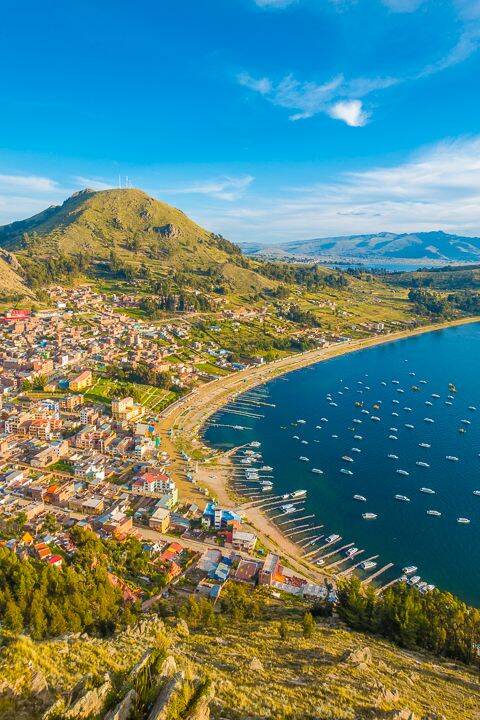
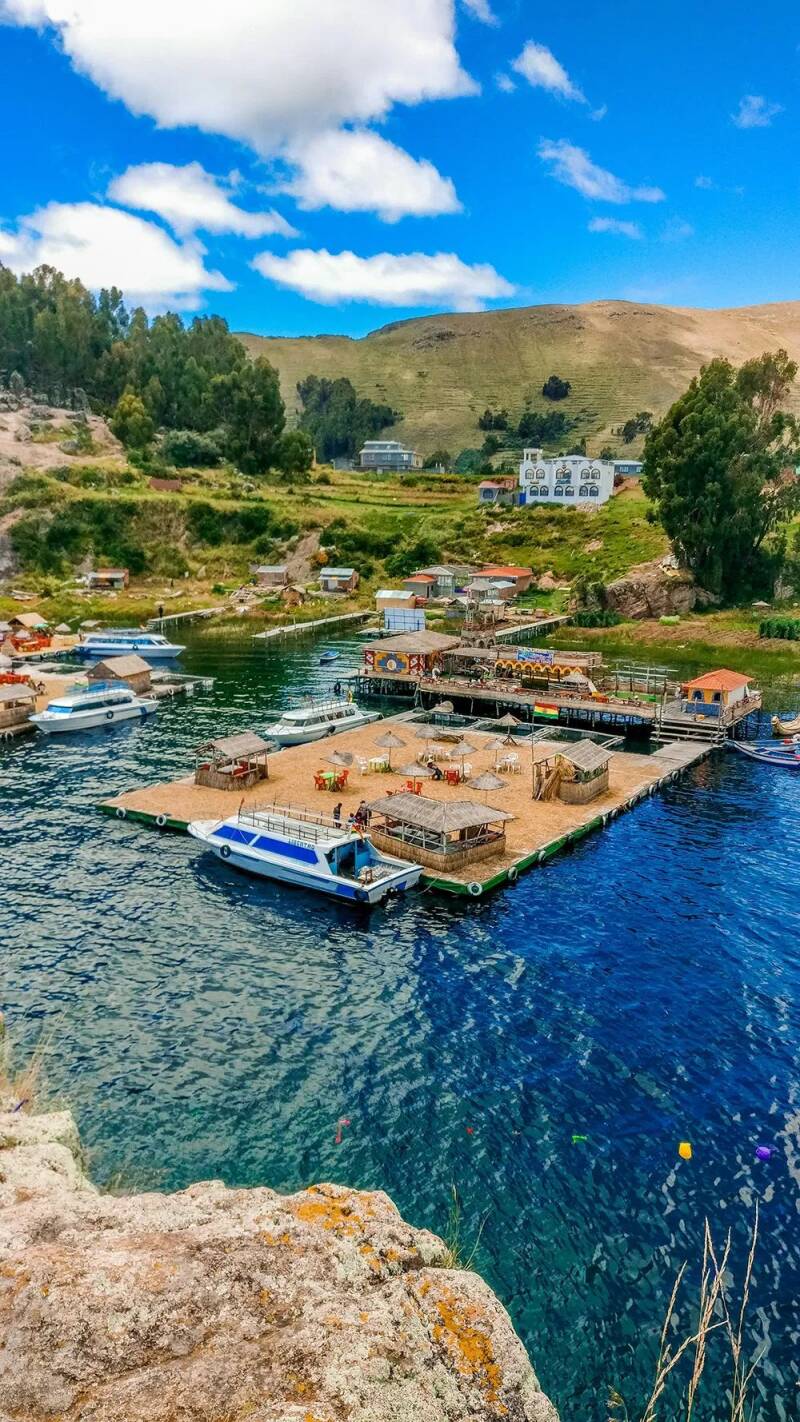
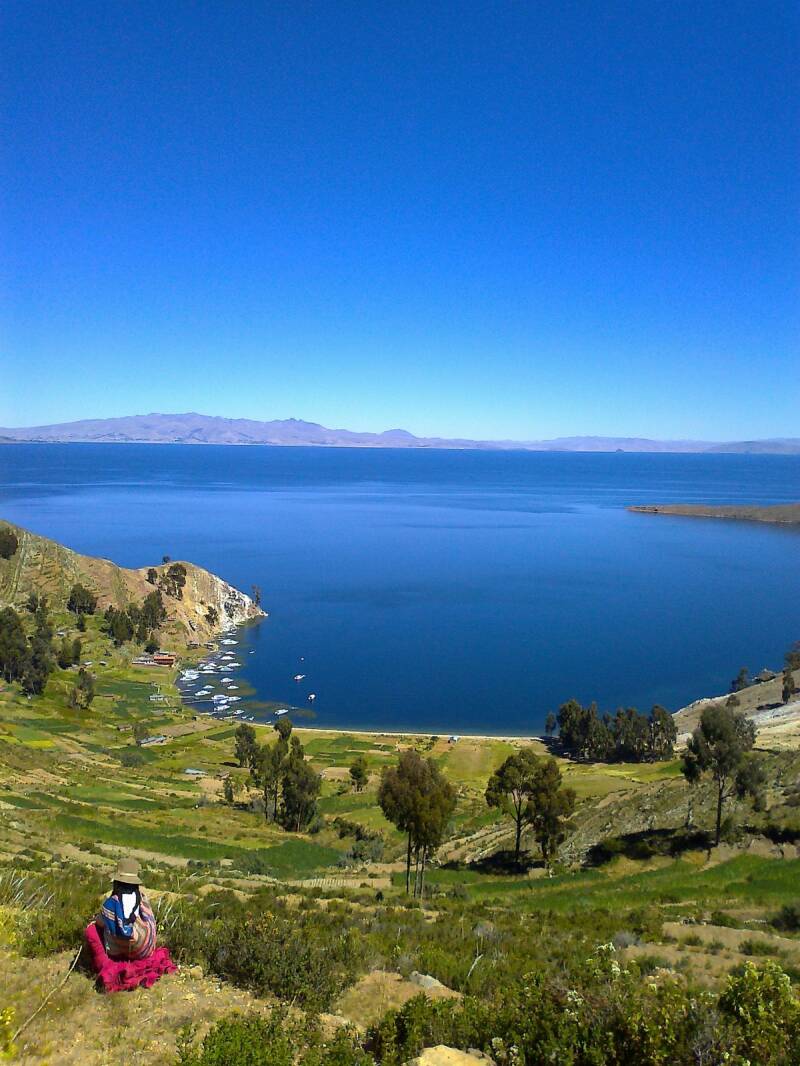
Location: Copacabana is picturesque town surrounded by the water of the Lake Titicaca and the dramatic high Andean landscape of the Cordillera Real. Located in Manco Kapac province, in La Paz Department, it lies on the southern shore of Lake Titicaca, near the Bolivian – Peruvian border. Situated at an altitude over 3,800 meters above the sea level, Copacabana is around 140 – 150 km from the city of La Paz. Due to its strategic location, the town serves as an important stop for travellers travelling between La Paz, Bolivia, and Puno, Peru.
The People & Culture: Copacabana and the surrounding communities have a strong Aymara cultural identity. Local traditions reflect a deep relationship with the lake, mountains, agriculture and Pachamama (Mother Earth). The town is also one of Bolivia’s most important pilgrimage destinations, home to the Sanctuary of Our Lady of Copacabana, where catholic traditions blend with ancient Andean beliefs, creating a distinctive cultural landscape.
Weather & Climate: Copacabana has a cool high-altitude Andean climate. Temperatures are generally mild during the daytime but can become very cold after sunset. Temperatures around the Lake Titicaca region can range approximately from 1°C to 20°C, depending on the season and weather conditions.
- Dry Season — May to October: Generally characterised by clearer skies, strong sunshine during the day and cold nights. These months are particularly attractive for hiking, photography and lake excursions.
- Wet Season — November to April: Rainfall becomes more frequent, particularly during the summer months. The surrounding hills become greener, although clouds and rain can affect lake views and boat excursions.
Things to Do:
- Visit the Sanctuary of Our Lady of Copacabana: Explore the impressive basilica and discover the religious traditions surrounding Bolivia’s patron saint.
- Climb Cerro Calvario: Walk up Cerro Calvario for panoramic views across Copacabana Bay and Lake Titicaca. The climb is steep because of the altitude, so take your time.
- Explore the Waterfront: Walk along Copacabana’s lakeside promenade, enjoy views of the bay and experience the relaxed atmosphere of this Andean town.
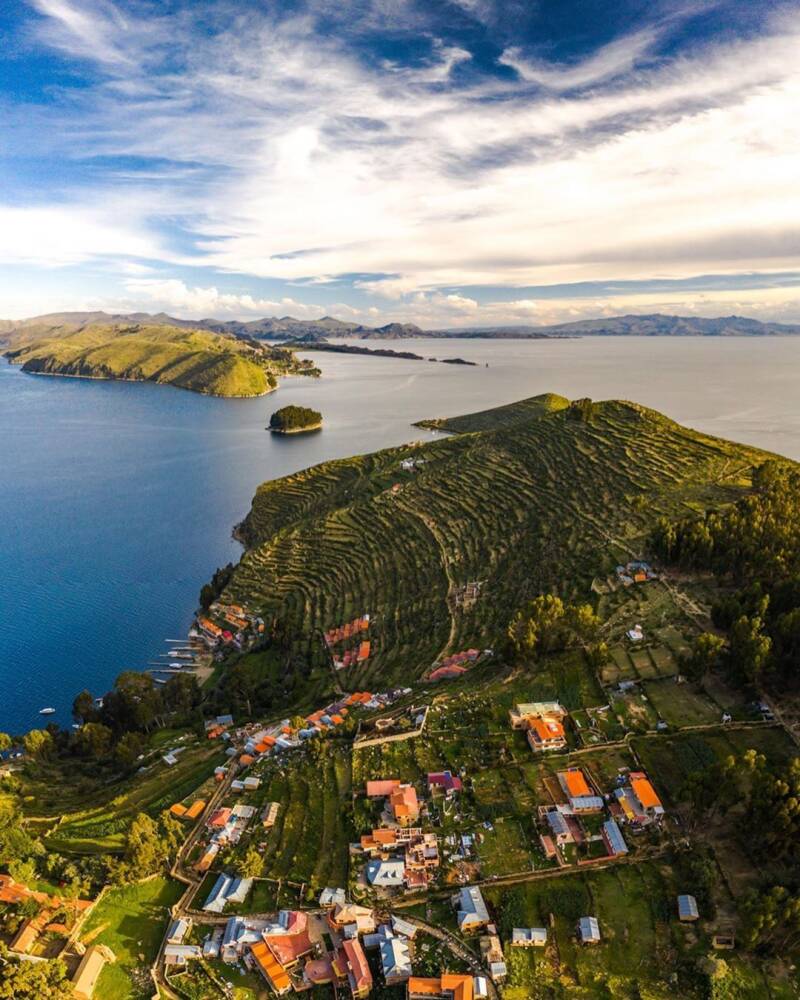
- Visit Isla del Sol: Take a boat across Lake Titicaca to the legendary Island of the Sun. The island is known for archaeological sites, traditional communities, ancient terraces and spectacular walking routes.
- Discover Isla de la Luna: Visit the smaller Island of the Moon and explore its archaeological heritage and beautiful views across the lake.
- Explore Local Villages: Discover traditional communities and landscapes around Copacabana, including Yampupata and Sampaya.
- Try Local Lake Cuisine: Sample fresh trout from Lake Titicaca, a popular local dish, alongside traditional Bolivian and Andean foods.
Nature & Wildlife: Copacabana and Lake Titicaca offer spectacular high-Andean landscapes, characterised by deep blue water, rugged shorelines, wetlands and majestic surrounding mountains. At a high altitude, the lake supports a unique ecosystem, with its waters and reed beds providing habitat for a variety of native wildlife including Andean gulls, waterfowl, Andean ducks and other birds, the lake is also home to native fish and amphibians, including the endemic Titicaca Grebe and the endangered Titicaca water frog. In the surrounding rural communities, alpacas, llamas and sheep remain an important part of traditional life. Visitors can enjoy peaceful lakeside walks, boat excursions and wildlife watching.
Best Time to Visit: May to October is generally the best period for visitors seeking clearer skies, allowing excellent photography conditions and favourable conditions for exploring the lake and surrounding landscapes. (Tip) even in the dry season, temperatures can fall sharply after sunset, so warm clothing is essential.
Copacabana Festivities: Copacabana’s religious and cultural festivities honour the Virgin of Copacabana, the main festivities feature colourful folkloric performances, religious processions and Masses at the Basilica of Our Lady of Copacabana, attracting pilgrims and visitors to the shores of Lake Titicaca. The principal celebrations take place on 2 February, the Feast of the Virgin of Candelaria, a second major celebration is held on 5 August, commemorating the Virgin of Copacabana’s coronation.
How to Get There:
- From La Paz: Copacabana is approximately 145–150 km from La Paz. The journey by road generally takes around 3 to 3½ hours, depending on traffic and the crossing at the Strait of Tiquina. Public buses and private transport are available.
- From Peru: Copacabana can be incorporated into an overland journey between Puno and La Paz, making it a convenient destination for travellers exploring both sides of Lake Titicaca.
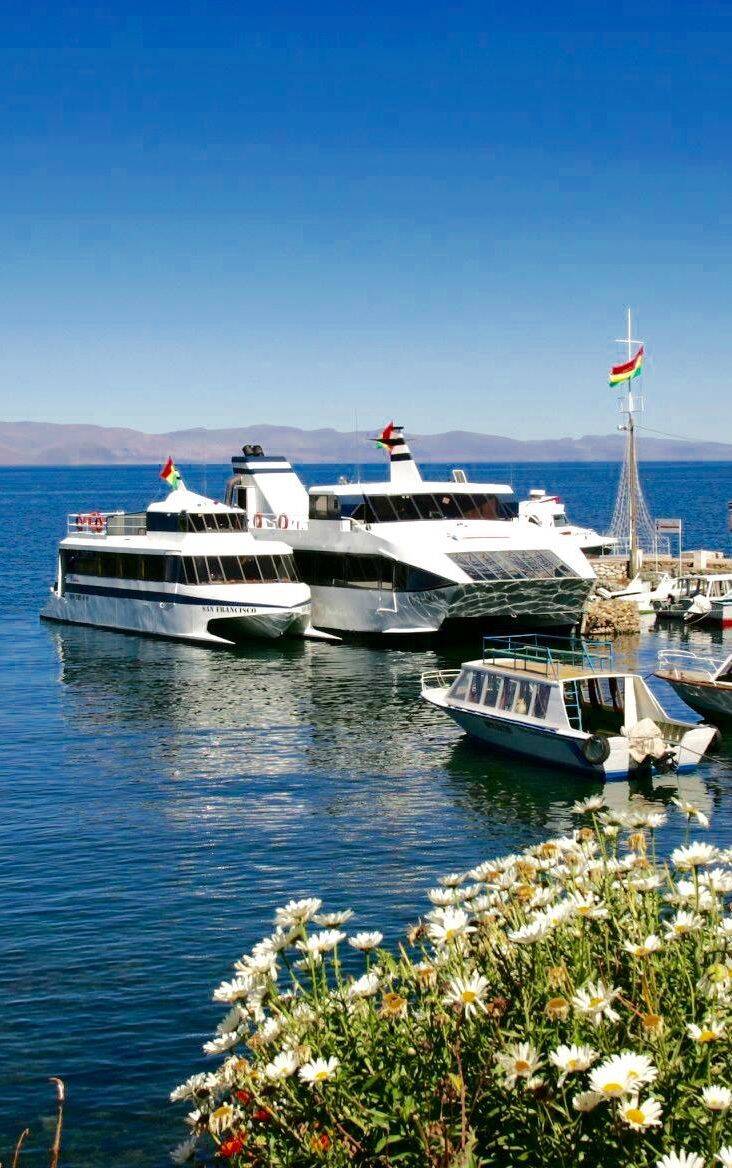
- By Boat: Boats from Copacabana provide access to Isla del Sol and other destinations around the Bolivian side of Lake Titicaca. Boat schedules can vary according to season, weather and local operating conditions.
Where to Stay: Copacabana offers accommodation for different types of travellers, including family-run guesthouses, hostels, budget hotels, mid-range hotels, lakeside accommodation and small boutique-style properties. For a more immersive experience, visitors can also stay overnight on Isla del Sol, where small locally operated accommodation is available, particularly around Yumani and Challapampa. (Tip) Staying at least two nights allows visitors to experience Copacabana without rushing and provides more time for an excursion to Isla del Sol.
What to Pack: Because Copacabana is located at very high altitude, preparation is important:
-
Warm layers, a fleece or jumper, waterproof jacket, particularly during the wet season.
-
Comfortable walking shoes, sun hat and sunglasses.
-
High-factor sunscreen, lip balm and moisturiser.
-
Reusable water bottle, small daypack.
-
Camera and basic personal medicines.
-
Cash in Bolivianos for smaller local businesses and excursions.
Travel Advice:
- Take it slowly at altitude, walking uphill can feel considerably harder at 3,800 metres than at sea level.
- Stay hydrated, drink water regularly and avoid overexerting yourself during your first day.
- Protect yourself from the sun, UV exposure is strong at high altitude, even on cool or cloudy days.
- Check boat schedules locally, services to the islands can change because of weather and local operating conditions.
- Carry some cash, smaller businesses and community-based services may not accept cards.
- Respect local culture, ask permission before photographing people, ceremonies or religious activities.
- Travel responsibly, avoid littering, reduce single-use plastics and support locally owned accommodation, guides, restaurants and community tourism initiatives.
Recommended Tours & Experiences:
- Copacabana & Cerro Calvario: A half-day introduction to the town, sanctuary, waterfront and panoramic viewpoints.
- Isla del Sol Day Trip: Travel by boat from Copacabana to Isla del Sol to discover its archaeological heritage, traditional communities and spectacular lake views.
- Isla del Sol Overnight Experience: Stay overnight on the island and enjoy a slower-paced experience of its landscapes, villages and walking trails.
- Copacabana & Isla de la Luna: Combine the two sacred islands with a boat excursion across Lake Titicaca.
- Community & Cultural Experience: Visit surrounding Aymara communities, learn about traditional agriculture and discover local handicrafts, food and cultural traditions.
- Lake Titicaca Photography Experience: Explore viewpoints around Copacabana and the islands during the changing light of sunrise and sunset.
Facts:
-
Lake Titicaca at 3,812 metres above sea level is the highest navigable lake in the world.
-
Lake Titicaca is shared by Bolivia and Peru.
-
Isla del Sol is regarded as a sacred place associated with the origins of the Inca civilisation.
-
Isla del Sol has no motor vehicles.
-
The region combines Aymara cultural traditions, pre-Hispanic heritage and Catholic religious practices.
RURRENABAQUE & MADIDI NATIONAL PARK
Gateway to Bolivia’s Amazon and one of the world’s great biodiversity destinations
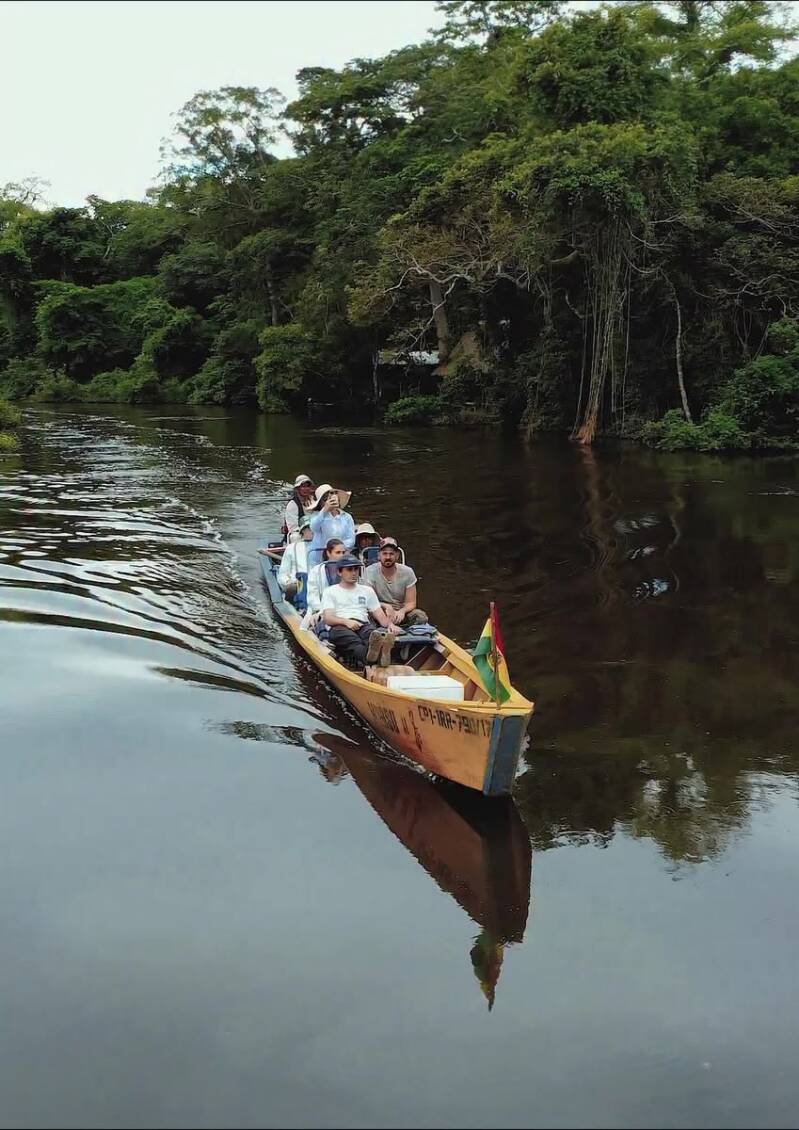
Rurrenabaque is a small town in northern Bolivia and one of the principal gateways to the Amazon rainforest, the Madidi National Park and the surrounding protected areas. Located on the banks of the Beni River, it combines tropical landscapes, Indigenous cultures, river adventures and access to extraordinary wildlife. Together, Rurrenabaque, Madidi and the nearby Pampas of Yacuma offer visitors the opportunity to experience two contrasting Amazonian environments: dense rainforest and seasonally flooded grasslands.
Location: Rurrenabaque is located in Beni Department, in the north of Bolivia, on the eastern side of the Beni River. Across the river lies San Buenaventura, in La Paz Department. The town is the principal tourism gateway for excursions into Madidi National Park, Natural Area of Integrated Management and Pampas del Yacuma.
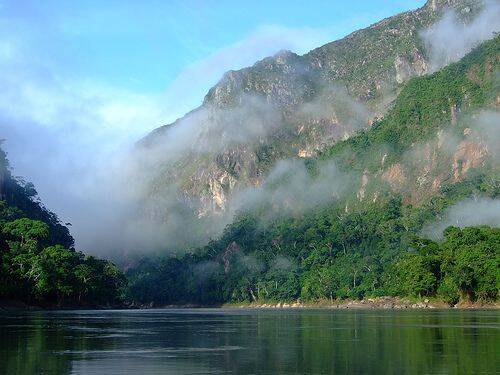
Madidi itself is located in northwestern Bolivia, mainly within La Paz Department. The protected area covers around 1.9 million hectares (18,957 km²) and extends from high Andean landscapes to Amazonian forests and savannas.
People and Culture: The Rurrenabaque–Madidi region is home to diverse Indigenous peoples and local communities associated with the wider Madidi landscape include Tacana, Leco, Quechua and Aymaras, while the broader destination also includes Tsimane-Mosetene communities. Traditional knowledge of plants, wildlife, rivers and forest resources remains an important part of community life.
Weather and Climate: Rurrenabaque has a warm, humid tropical climate, with high temperatures and substantial rainfall during much of the year. Temperatures are generally warm throughout the year, although occasional cold fronts known locally as surazos can temporarily bring cooler conditions. The wetter months generally bring lush vegetation, fuller rivers and muddy forest trails, while the drier season provide easier conditions for some hiking and wildlife activities.
Tip: Weather conditions can affect river navigation, flights and access to some lodges, so travellers should allow some flexibility in their itinerary.
Things to Do:
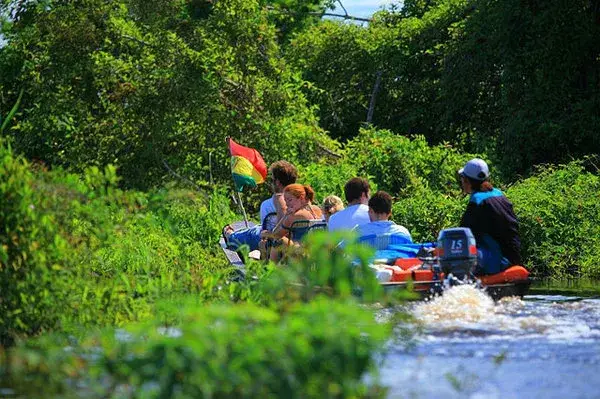
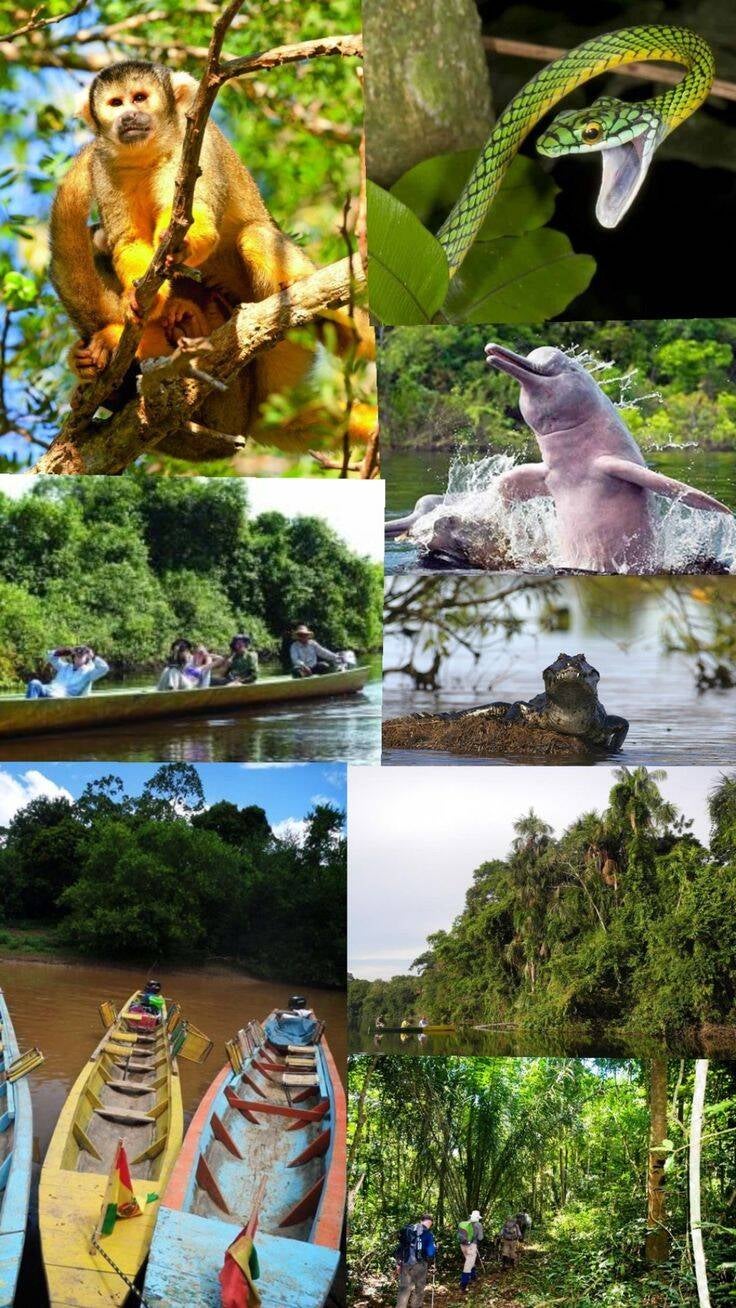
- Explore Madidi National Park: Travel by boat from Rurrenabaque towards the rainforest, guided excursions include forest walks, wildlife observation, river journeys and visits to community-managed tourism projects.
- Jungle Trekking: Walk through tropical forest with an experienced local guide, looking for birds, monkeys, insects, amphibians and evidence of larger mammals while learning about medicinal plants, trees and traditional forest knowledge.
- Wildlife and bird watching: Early morning and late afternoon are often rewarding periods for observing wildlife. Patience is important: many rainforest animals are elusive, and sightings can never be guaranteed, Madidi is an exceptional place for bird diversity and offers opportunities to observe colourful macaws, parrots, toucans, hummingbirds, raptors and many other species.
- River Exploration: Travel along the Beni and surrounding rivers by boat, experiencing rainforest scenery and looking for terrestrial and aquatic wildlife.
- Visit Indigenous Communities: Community-based experiences, introduce visitors to traditional foods, crafts, agriculture, forest products and local knowledge.
- Explore the Pampas: Combine a rainforest trip with an excursion into the Pampas del Yacuma, a contrasting landscape of open, seasonally flooded savannas and waterways.
- Night Walks: Some organised jungle programmes offer guided evening walks, allowing visitors to experience the rainforest after dark and search for nocturnal insects, frogs and other animals.
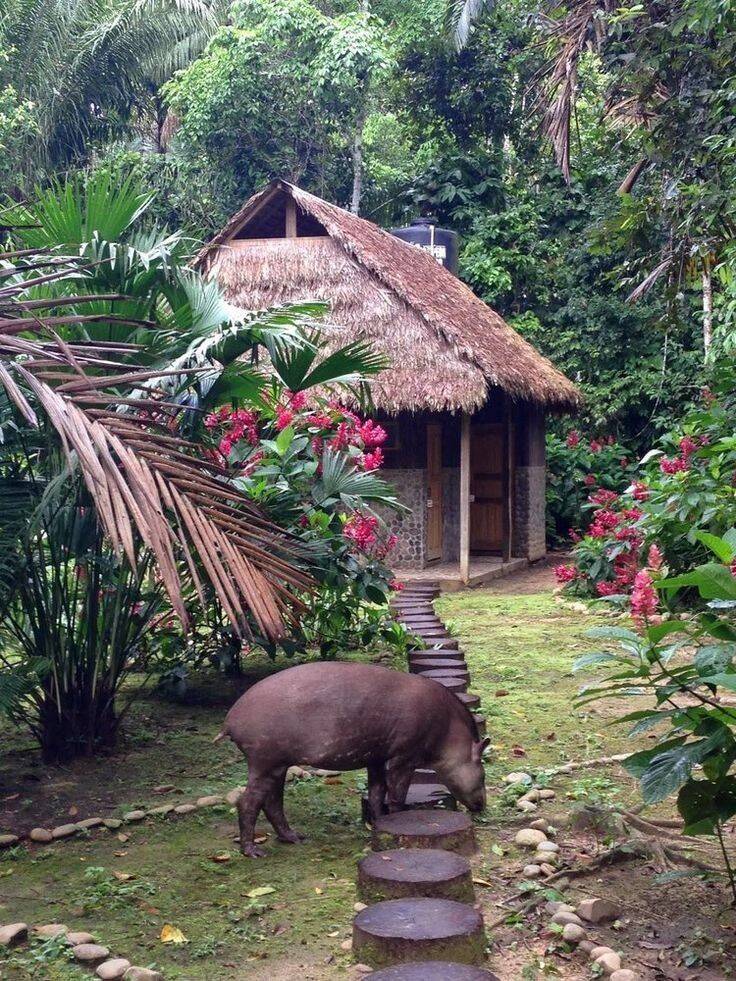
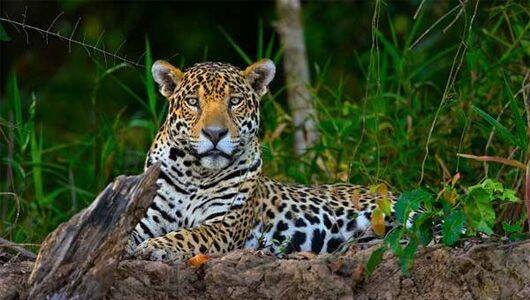
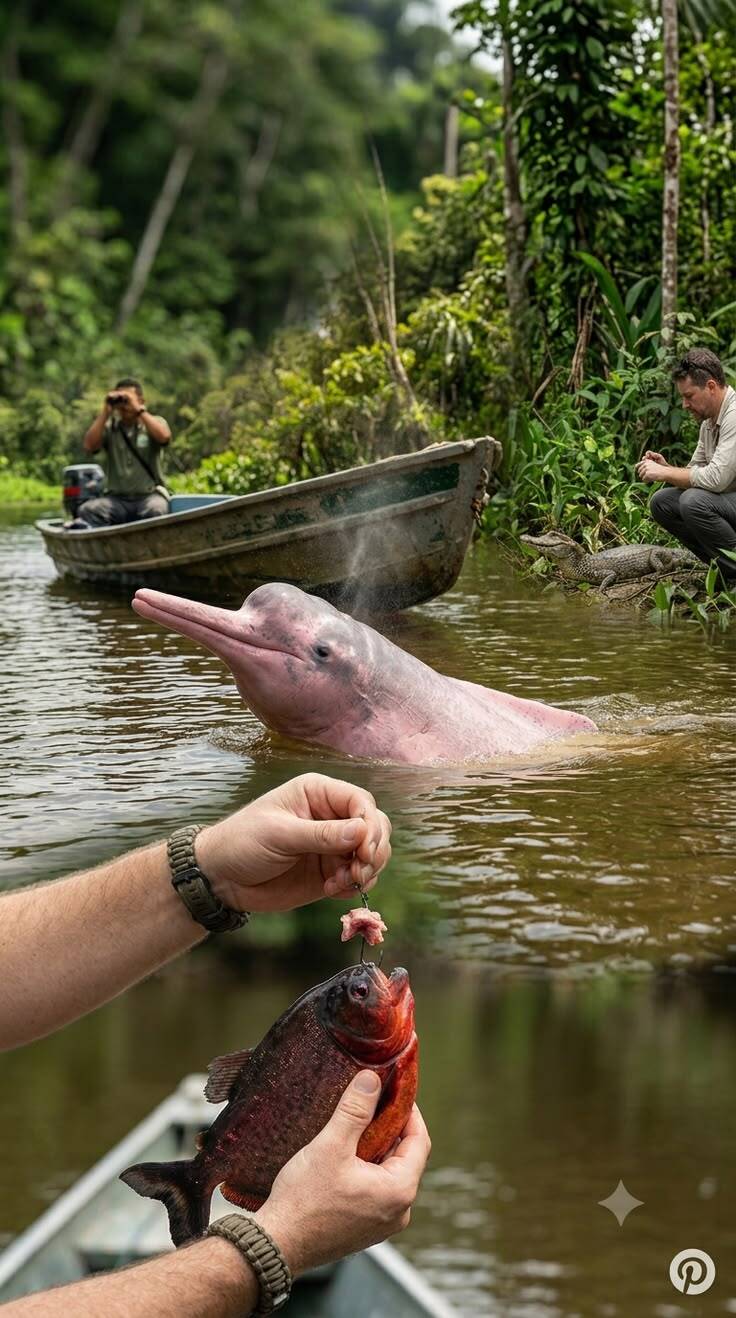
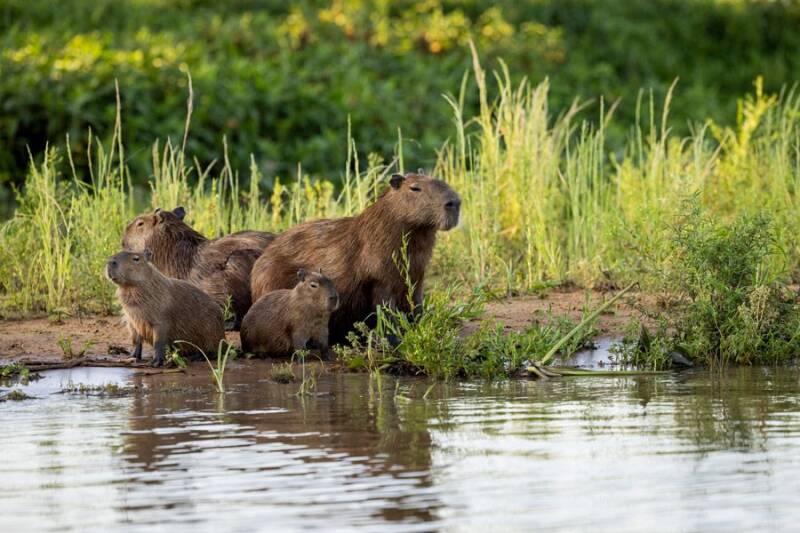
Nature and Wildlife: Madidi is recognised as one of the most biologically diverse protected areas in the world. It has a remarkable variety of ecosystems, including high-Andean wetlands, grasslands, dry forests, mountain savannas, cloud forests, montane forests, Amazonian rainforest and flooded savannas. Research has recorded more than 1,000 bird species and more than 300 mammal species, alongside thousands of butterflies, amphibians, reptiles and fish within the protected area. Wildlife includes jaguar, puma, Andean bear or jukumari, tapir, giant river otter, spider monkeys, woolly monkeys, capuchin monkeys, howler monkeys, macaws and other parrots, toucans, harpy eagle, black caiman, river turtles, river dolphins, capybara and numerous species of frogs, butterflies and insects.
Wildlife sightings are unpredictable and depend on season, weather, habitat and the behaviour of individual animals.
Best Time to Visit:
- May to October is generally considered a popular period because rainfall is often lower and many trails and rivers can be easier to access.
- December to March is part of the wetter season, rainfall can be heavier, but the rainforest is particularly lush, and rivers and wetlands can offer a different perspective.
There is no single “perfect” month. The best time depends on whether your priority is trekking, birdwatching, river travel, photography, wildlife observation or experiencing the rainforest during the wet season.
Festivities and Local Events: Rurrenabaque and surrounding communities celebrate a variety of local, religious and cultural festivities throughout the year. One of the most important celebrations of Rurrenabaque is the Festivity of Virgin of Candelaria celebrated on February 2nd, the festivity combines religious traditions with indigenous cultural celebrations.
How to Get There:
- By Air: Flying from La Paz to Rurrenabaque is generally the fastest way to reach the destination. Rurrenabaque Airport ia an important gateway for tourism in the Bolivian Amazon. However, flight schedules can change, and services may be affected by weather conditions.
- By Road: Rurrenabaque can also be reached by road from La Paz or Beni. The journey is considerably longer and can take approximately 12–16 hours, depending on road and weather conditions.
Where to Stay: Accommodation ranges from simple hostels and hotels in Rurrenabaque to jungle ecolodges and community-based accommodation outside the town. For a rainforest experience, visitors can stay at Eco lodges or explore community-based ecolodge experiences.
Recommended Tours and Experiences:
-
Madidi Jungle Experience: A multi-day rainforest programme combining boat travel, guided jungle walks, wildlife observation and overnight stays at a jungle lodge.
-
Community-Based Amazon Experience: A responsible tourism experience operated with Indigenous or local communities, focusing on traditional knowledge, food, crafts, forest products and conservation.
-
Madidi Wildlife & Birdwatching Tour: An experience designed for visitors interested in birds, mammals, reptiles, insects and rainforest ecology.
-
Jungle and Pampas Combination: Combine the rainforest of Madidi with the open wetlands and savannas of the Pampas del Yacuma for a broader wildlife experience.
-
Amazon River Adventure: Explore the waterways around Rurrenabaque by boat while observing river landscapes, birds and aquatic wildlife.
What to Pack: For a Madidi and Rurrenabaque adventure, consider bringing:
-
Lightweight, breathable clothing including long trousers, long-sleeved shirts and Waterproof jacket or poncho
-
Comfortable walking shoes or sturdy sandals and a hat or cap
-
Insect protection and sunscreen
-
Reusable water bottle and small daypack
-
Torch or headlamp, binoculars for wildlife and birdwatching, camera with spare batteries/power bank
-
Waterproof bags for electronics and important belongings, personal medicines and essential toiletries
-
A small amount of cash for local purchases
Travel Advice:
- Choose responsible tourism. Select operators that employ local guides, work respectfully with Indigenous communities and support conservation.
- Use qualified guides. The rainforest is complex and wildlife is better observed with trained local guides.
- Respect wildlife. Never feed, chase, touch or deliberately disturb wild animals.
- Respect communities. Ask permission before taking photographs and respect local cultural heritage.
- Expect limited connectivity. Some jungle lodges have little or no mobile-phone coverage, which can be part of the attraction.
- Allow flexibility. Rain, river levels and other local conditions can affect transport and activities.
- Protect the forest. Avoid single-use plastics, take rubbish with you and if possible, use environmentally responsible accommodation and tour providers.
- Check travel arrangements before departure. Flight schedules, road conditions, park access and tour availability can change due to weather conditions.
Facts:
-
Madidi is recognised as one of the world's most biologically diverse protected areas, with an extraordinary variety of plants, animals and ecosystems.
-
From glaciers to rainforest: Rurrenabaque & Madidi is where the Andes meet the Amazon,
-
A paradise for birdwatchers: Madidi is home to around 10% of the world's bird species.
-
Home of the jaguar: Jaguars roam the forests of the Madidi region.
-
Monkey country: The wider Rurrenabaque–Madidi–Pampas destination is home to 12 of Bolivia's 24 recorded primate species.
-
Amazonian river dolphins: The rivers around provide habitat for the Bolivian river dolphin, locally known as the bufeo.
-
One of the world's most powerful forest eagles the Harpy eagle can be found in the region.
-
Rurrenabaque is the gateway to the wild: The town often called “Rurre,” is an important starting point for exploring Madidi, the Pampas and surrounding indigenous territories.
-
More than just wildlife: The region is also a living cultural landscape, home to Indigenous communities, including Tacana, Leco and Esse Ejja.
-
Community-based tourism: Tourism initiatives connect visitors with nature while supporting local communities and conservation.
-
A sustainable tourism destination: The wider Rurrenabaque–Madidi–Pampas destination has received international sustainable-tourism awards.
Ready for your Bolivian adventure?
These highlights are just a glimpse into the incredible experiences awaiting you in Bolivia. Feel the excitement build as you imagine exploring these breathtaking landscapes and vibrant cultures. Don't just dream about it – make it a reality!