

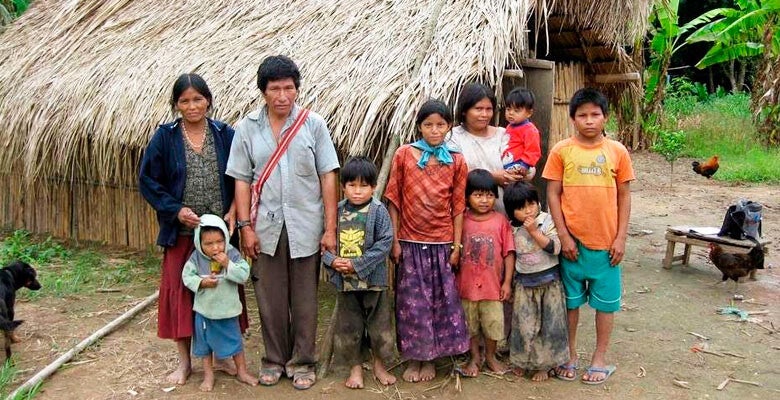
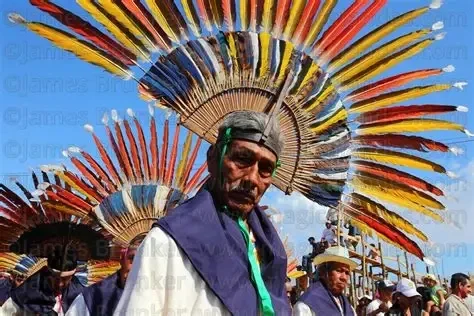
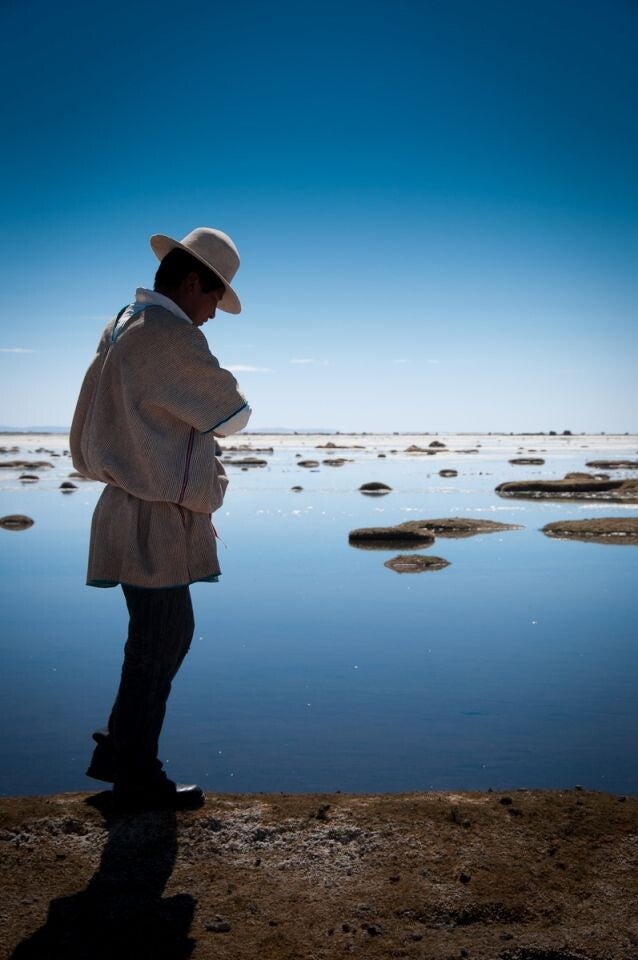
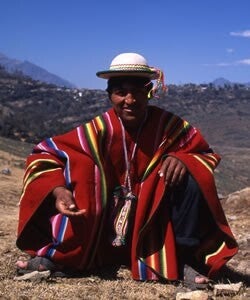
MEET BOLIVIA’S INDIGENOUS COMMUNITIES
Bolivia is one of South America’s most culturally diverse countries, home to Indigenous nations and peoples whose traditions, languages, knowledge and relationship with the land are an essential part of the country’s identity. The Bolivian constitution recognises 36 indigenous languages and protects them, alongside the Spanish language as the official one.
Bolivian indigenous culture is not simply part of the country’s history, it is a living and evolving part of contemporary Bolivia way of life.
From the high-altitude communities of the Andes and Altiplano to the forests, rivers and plains of the Amazon, Chiquitania and Gran Chaco, Indigenous cultures offer visitors an opportunity to discover Bolivia through community-based tourism and experience their living traditions, community ancestral knowledge, language, crafts, food, music, spirituality, agriculture and relationships with nature.
ANDEAN AND ALTIPLANO COMMUNITIES
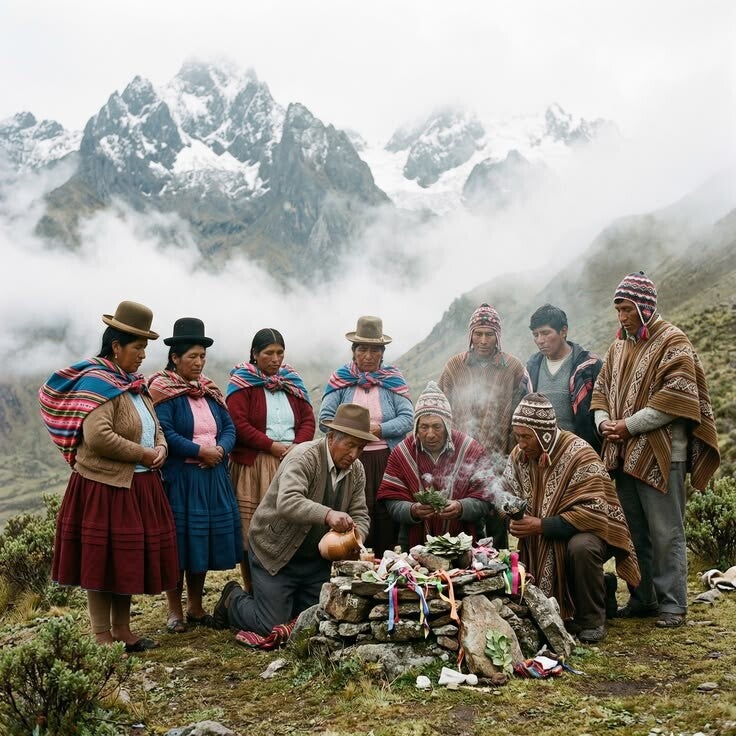
Experience the living cultures of Aymara, Quechua, Uru-Chipaya and Kallawaya communities through traditional agriculture, weaving, music, food, markets, festivals and highland landscapes.
1. AYMARA
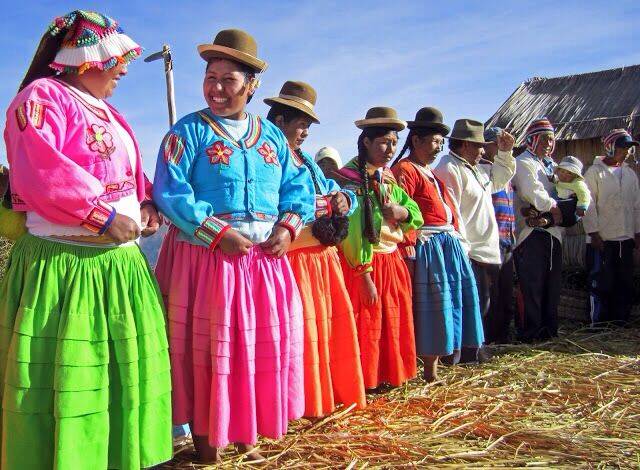
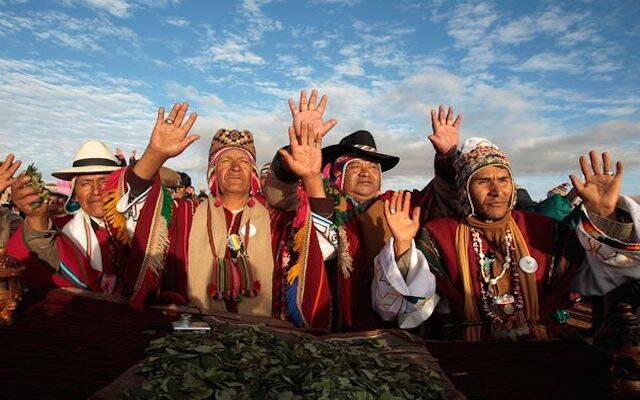
Main region: The Aymara are one of the great Indigenous peoples of the Andes, with a deep cultural presence across Bolivia, Peru and northern Chile. In Bolivia, Aymara communities are particularly concentrated across the western highlands, including the departments of La Paz, Oruro and parts of Potosí.
Culture: The Aymara are one of the most important and largest Indigenous peoples of Bolivia, the Aymara have a deep spiritual and cultural connection with the natural world. Traditional beliefs recognise the importance of Pachamama (Mother Earth) and emphasise respect for the land, mountains, water and other elements of nature. Their culture is expressed through language, music, textiles agriculture, food, spirituality and strong connections with the Andean landscape.
Language: Aymara is one of the most important Indigenous languages of the Andes and is widely spoken in Bolivia, Peru and Chile. It remains an important vehicle for transmitting cultural knowledge between generations.
Traditions and Way of Life: Aymara traditions are closely connected with community life and the natural environment. Agriculture and livestock remain important in many rural communities, with traditional knowledge adapted to the challenging conditions of the Altiplano. Traditional textiles are particularly important. Colourful woven fabrics, patterns and garments can communicate aspects of identity, community and cultural heritage. Music and dance are also central to Aymara cultural expression.
Festivals and Celebrations: Aymara communities participate in a wide variety of local, regional and national celebrations such as Alasita, celebrated particularly in La Paz, is associated with miniature representations of people's hopes and aspirations, Carnival of Oruro is one of Bolivia's most spectacular cultural celebrations, Fiesta del Gran Poder in La Paz is another major celebration featuring music, dance, elaborate costumes and religious devotion.
Aymara Food: Food is an important part of Aymara cultural identity and reflects the resources and agricultural traditions of the Altiplano. Traditional ingredients include potatoes, chuño (freese-dried potatoe), quinoa, maize, broad beans and native Andean grains, alongside meat and dairy products in communities where livestock is raised. One example of an Andean cooking tradition is watia, in which food is cooked underground.
2. QUECHUA
Main region: Quechua speaking communities are concentrated mainly throughout the Andean highlands and valleys, particularly in the departments of Cochabamba, Chuquisaca, Potosi and parts of Oruro, La Paz and Santa Cruz.
Culture: The Quechua people are one of Bolivia’s largest Indigenous peoples and form an important part of the country’s cultural identity. Quechua culture is diverse, with traditions varying considerably between communities and regions. Its foundations are closely connected to family, community, agriculture, respect for nature, spirituality, music, textiles and the preservation of ancestral knowledge.
The Quechua Language: Quechua (Runa Simi) is an important Indigenous language of Bolivia. It belongs to a wider family of Quechuan languages spoken across several countries in the Andes. For many communities, the language remains an important expression of identity and cultural continuity.
Community and Way of Life: Traditional Quechua life has historically been closely connected to the land. Many rural communities depend on agriculture, livestock, crafts and local trade. The ayllu, a traditional form of community organisation found among Andean people, has historically played an important role in social relationships, cooperation and the management of communal life.
Relationship with Nature: Respect for the natural world is an important element for the Quechua community, their traditional celebrations include expressions of gratitude to Pachamama (Mother earth).
Festivals and Celebrations: Festivals provide an important opportunity for communities to celebrate their identity, faith, history and traditions. Many Quechua communities combine Indigenous Andean traditions with Catholic influences, reflecting centuries of cultural interaction, those celebrations include:
-
Inti Raymi: The Festival of the Sun, which has its roots in the ancient Andean world honouring the sun and agricultural cycles.
-
Carnaval and Community Festivals: Carnival celebrations throughout Bolivia often combine Indigenous traditions, music, dance and Catholic religious elements. Local communities have their own distinctive celebrations, costumes, dances and forms of music.
-
Día de Todos los Santos: All Saints’ Day is an important occasion in many Andean communities. Families gather to remember deceased relatives and prepare traditional foods and offerings as part of remembrance ceremonies.
Music and Dance: Music is an important part of Quechua cultural expression. Traditional instruments include quena, siku, charango, drums and panpipes, although the instruments and musical styles vary between regions. Traditional dances are often characterised by colourful clothing, distinctive movements and rhythmic music.
Traditional Food: Quechua cuisine reflects the agricultural resources of the Andes and surrounding valleys. Potatoes, Chuño, Tunta, maize or Choclo, quinoa, beans and a wide variety of locally grown crops are important ingredients. Traditional foods and dishes vary considerably from one region to another. Examples of foods associated with Andean Quechua cuisine include Api, mote, lawa and charque.
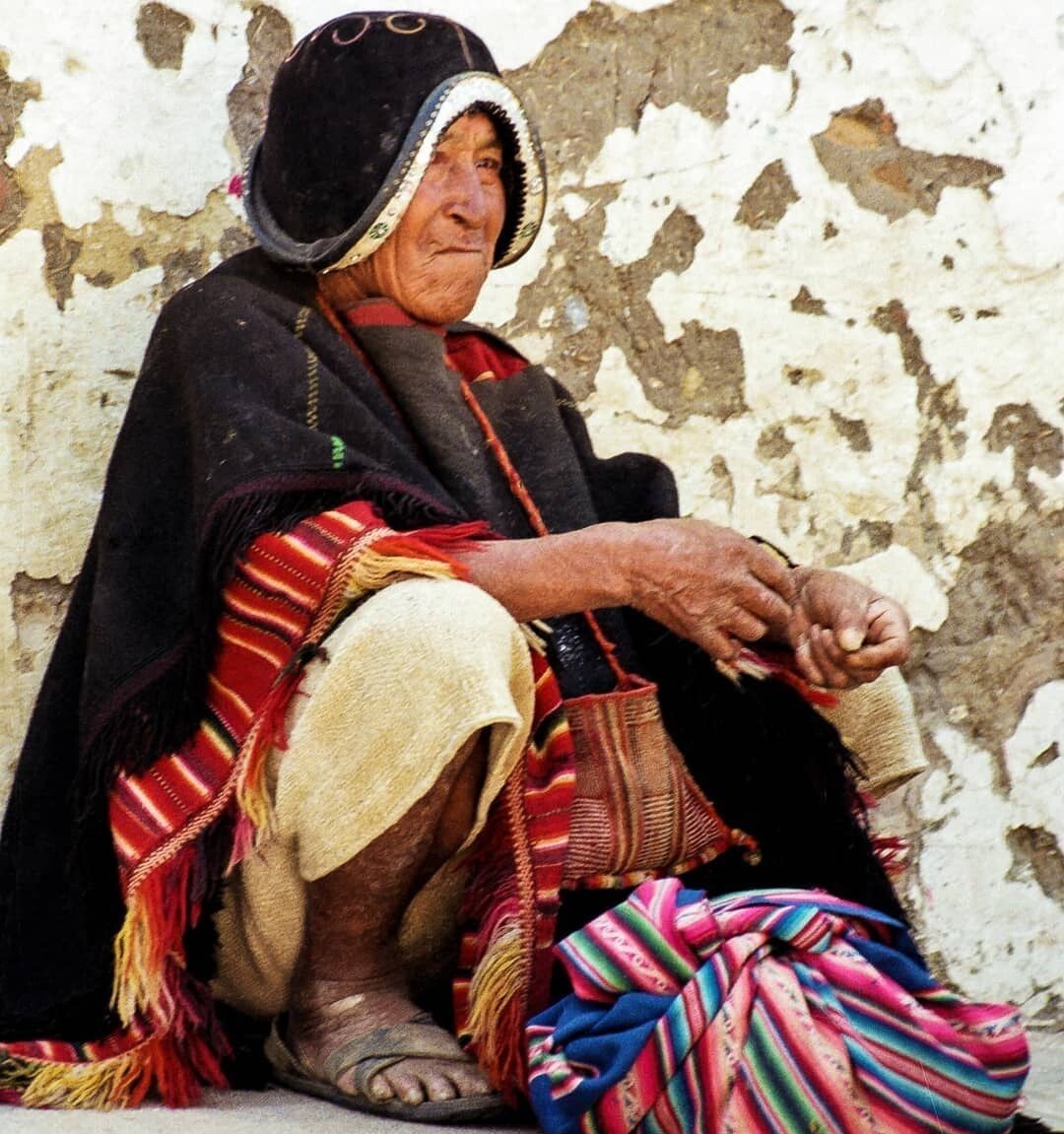
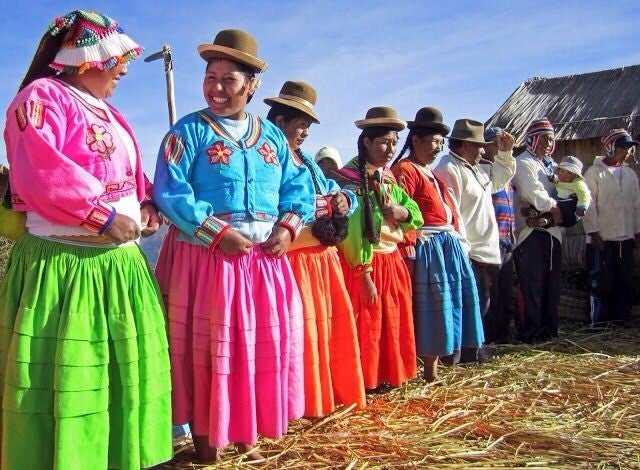
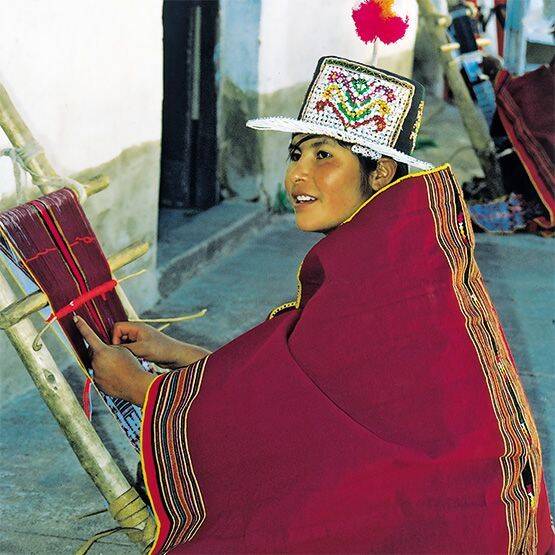
Traditional Clothing and Textiles: Traditional clothing varies significantly according to the community and region. Women traditionally wear garments such as polleras, woven shawls known as awayu or lliclla, blouses and distinctive hats. Men may wear woven ponchos, trousers, hats and other regional garments. Textiles feature intricate patterns, colours and symbols that reflect local identity and artistic traditions. Weaving and textile production are important forms of traditional knowledge, with techniques and designs passed through generations.
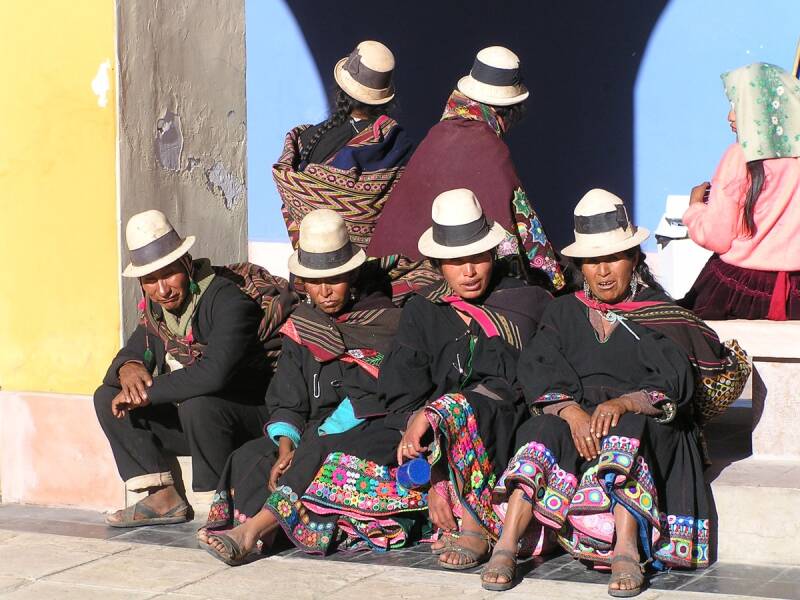
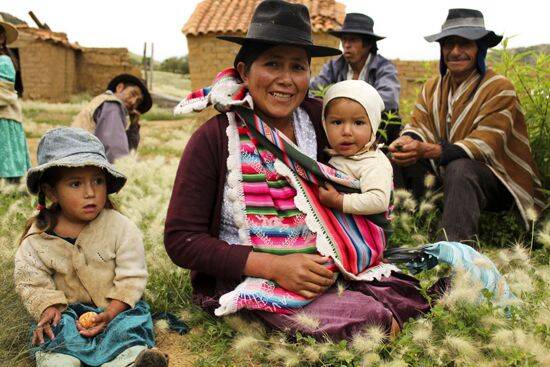
3. URU-CHIPAYA
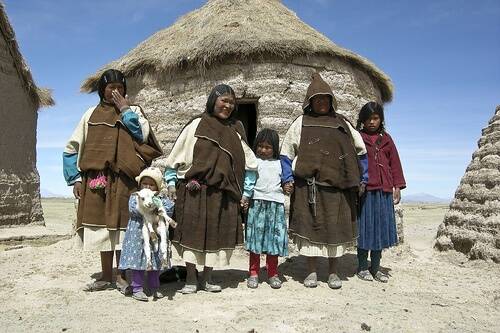
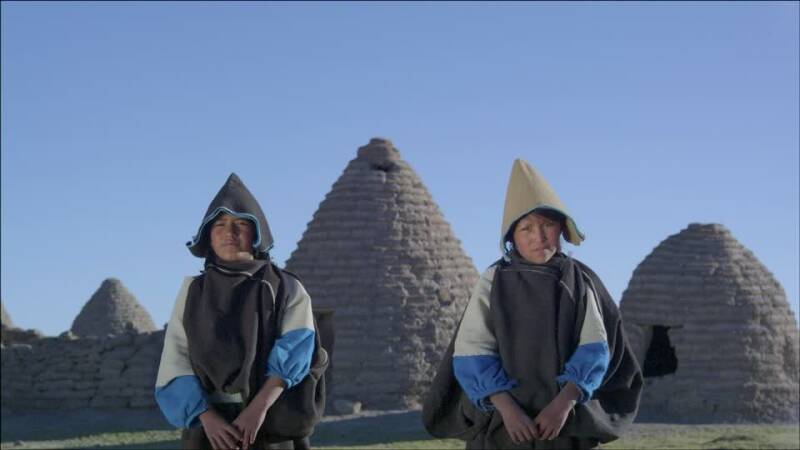
Main Region: The Uru Chipaya territory is situated in the western Altiplano of Bolivia, in Oruro Department, Province of Sabaya. The main settlement is Santa Ana de Chipaya, which serves as an important administrative and cultural centre. The traditional territory includes four principal ayllus or communities: Aransaya, Manasaya, Ayparavi and Wistrullani
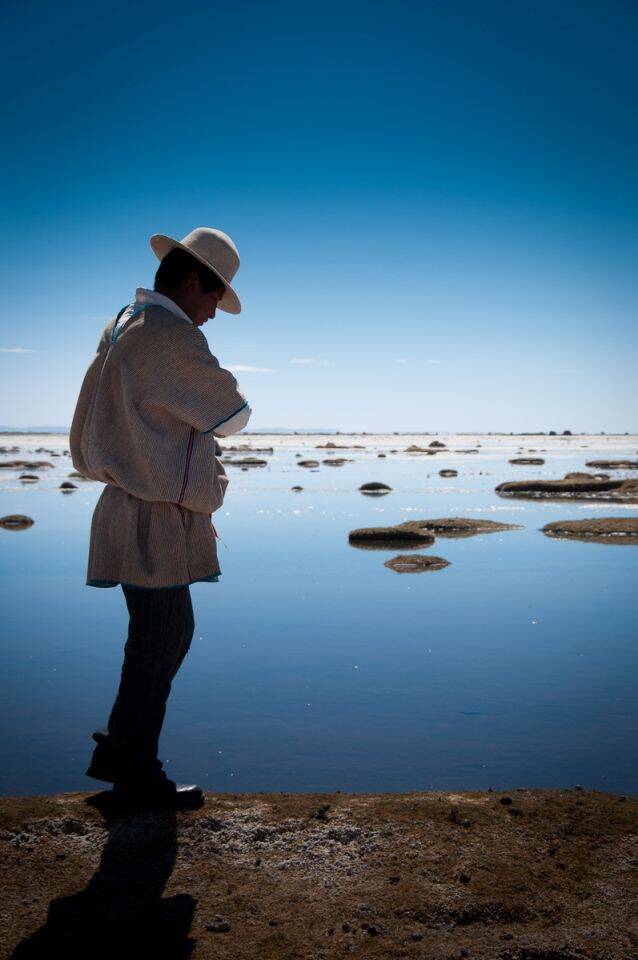
Culture and Identity: Uru Chipaya culture is distinguished by its strong connection between people, water, land and community, reason for which they are sometimes described as the “People of Water”, for them the management of water has historically been particularly important, proper management of water have helped make cultivation possible in an environment where salinity, drought, flooding and extreme temperatures create considerable challenges.
Language: One of the most important elements of Uru Chipaya heritage is the Chipaya language, known locally as Chipay taqu. It belongs to the Uru-Chipaya language family and is one of the distinctive Indigenous languages of Bolivia. Unlike the Uru language, which is no longer spoken as a living community language, Chipaya continues to be spoken in Uru Chipaya territory. Spanish and Aymara are also used within the wider social and regional environment.
Traditions and Way of Life: Traditional Uru Chipaya life has been shaped by the demands of the Altiplano. Community members have traditionally combined agriculture, livestock keeping, weaving and other subsistence activities, adapting their practices to the availability of water and the changing conditions of the land. The community's traditional architecture is particularly distinctive Round earthen houses, known locally as phutukus, are associated with Uru Chipaya settlements and reflect adaptation to the severe Altiplano climate.
Festivals and Celebrations: Uru Chipaya celebrations combine ancestral traditions, music, dance, community participation and spiritual practices. Festivals and communal gatherings provide opportunities for families and community members to come together, strengthen social relationships, celebrate their identity and transmit traditions to younger generations. Many celebrations also demonstrate the blending of Indigenous traditions with elements of Christianity that developed in the Andes over centuries.
Food and Traditional Cuisine: Uru Chipaya cuisine reflects the resources available in the high-altitude Altiplano. Quinoa and cañahua are particularly important traditional crops and have long provided valuable sources of nutrition in the region. Traditional food practices also include products derived from local agriculture and livestock. Historically, fishing and hunting provided additional sources of food, although these activities have generally been secondary to agriculture and livestock keeping.
Traditional Clothing: Traditional Uru Chipaya clothing is one of the most distinctive expressions of the community's cultural identity. Traditional clothing includes distinctive woven garments, shawls, belts and other textile pieces. Women's traditional dress is particularly recognisable for its combination of woven textiles, distinctive hairstyles and carefully arranged garments. Textile production is not simply decorative; it represents knowledge, craftsmanship and cultural continuity.
The Uru Chipaya story is ultimately a story of resilience, adaptation and cultural continuity—a living heritage shaped over generations by the water, wind and landscape of Bolivia's Altiplano.
4. KALLAWAYA
Main Region: The Kallawaya people are an Indigenous community whose ancestral homeland is in the mountainous Bautista Saavedra Province of La Paz Department, in northern Bolivia. Communities around Charazani and Curva are particularly associated with Kallawaya cultural heritage, the region is characterised by dramatic Andean landscapes andhigh mountain valleys.
Culture: Kallawaya culture is internationally recognised for its Andean cosmovision and traditional healing knowledge. In 2008, UNESCO inscribed the “Andean Cosmovision of the Kallawaya” on the Representative List of the Intangible Cultural Heritage of Humanity. The Kallawaya have roots extending back to the pre-Inca period, and their cultural traditions have developed through centuries of interaction between Indigenous Andean beliefs and Christianity. Traditional knowledge encompasses an understanding of medicinal plants and other natural resources, preventive health practices, ritual preparations and ceremonies.
Language: The Kallawaya have a distinctive ancestral language known as “Machaj Juyai”, sometimes described as a traditional or family language. It has historically been transmitted within Kallawaya kinship groups, or Ayllu. However, “Quechua” is the principal language used for everyday social communication in the region, while many Kallawaya people have also spoken Spanish and, historically, Aymara. UNESCO has highlighted the vulnerability of Machaj Juyai, as relatively few people remain fluent in the ancestral language.
Traditions and Way of Life: For generations, Kallawaya communities have maintained a close relationship with the Andean landscape and its natural resources. Traditional healers developed extensive knowledge of medicinal plants, minerals and other materials, alongside ritual practices and ceremonies associated with healing. Historically, some Kallawaya healers travelled between communities and across the Andes, carrying their knowledge and medicinal practices with them.
Festivals and Celebrations: Kallawaya celebrations reflect the community's Andean worldview and the historical interaction between Indigenous traditions and Christianity. Ceremonies include ritual offerings, music, dance and communal gatherings, with spiritual practices connected to the wellbeing of people, communities and the natural world. Some traditional Indigenous practices were historically incorporated into Christian celebrations following colonial rule, creating forms of religious and cultural syncretism that continue to be found in the Andes.
Food: Kallawaya cuisine forms part of the wider food traditions of the high Andes. Local diets have traditionally been influenced by the mountain environment and agricultural products available within the region, those that include potatoes, chuño, maize, quinoa, broad beans and other locally cultivated crops, complemented by locally available meats and herbs.
Traditional Clothing: Traditional Kallawaya clothing reflects the practical requirements of life in the high Andes as well as cultural identity. Woven textiles, woollen garments, ponchos, hats, shawls and colourful patterned fabrics are among the forms of clothing associated with Andean communities. Textiles can carry cultural meaning through their colours, patterns and techniques, with weaving representing an important form of Indigenous artistic knowledge.


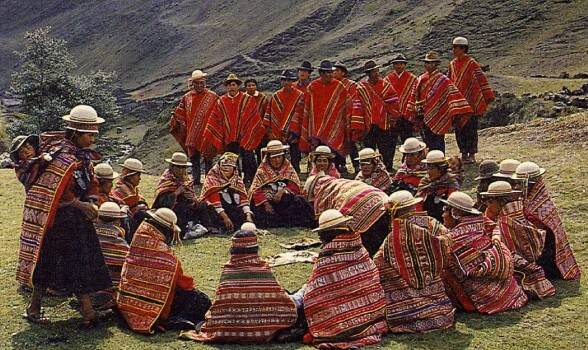
5. PUQUINA
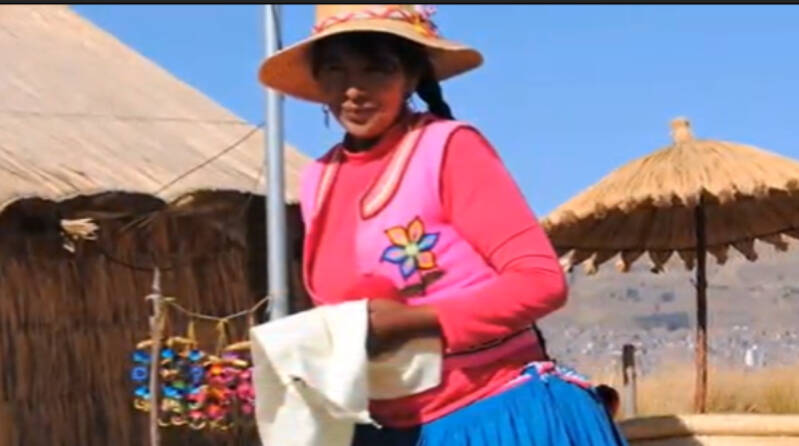
Main Region: The historical Puquina territory was centred around the Lake Titicaca and Altiplano region, extending across parts of present-day western Bolivia and southern Peru. In Bolivia, Puquina cultural heritage is particularly associated with communities and localities in the highlands of La Paz, including areas around the Lake Titicaca region. The landscape is characterised by high-altitude plains, mountains, cultivated fields and the waters of Lake Titicaca.
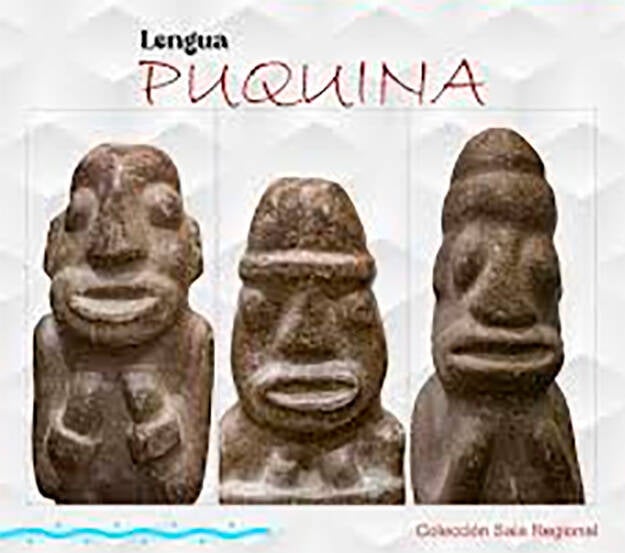
Culture: The Puquina are an ancient Indigenous people with deep roots and heritage connected to the Central Andes. Traditionally, communities were organised around extended families and local social groups, with strong connections to the land, mountains, water and agricultural cycles of the wider Andean cultural world that developed around the Lake Titicaca. Tiwanaku, located near the southern shores of the lake, represents one of the most important archaeological centres of the region and provides an important context for understanding the ancient societies of the Bolivian Altiplano. Agriculture, textiles, livestock, trade and religious traditions are important elements of Andean life. Archaeological and historical evidence from the region shows a sophisticated tradition of agriculture, weaving, pottery, stonework and community organisation. Today, much of Puquina identity and heritage survives through historical records, cultural traditions, archaeological evidence and efforts to preserve and revitalise the language and cultural legacy.
Way of Life: Traditional Puquina life was closely connected to the high-altitude environment. Communities relied on agriculture and livestock that suited to the Altiplano. The difficult highland environment encouraged communities to develop ways of conserving food, exchanging goods and working collectively. Potatoes and other Andean crops were important agricultural products, while llama and alpaca wool provided valuable materials for clothing and textiles. Trade also connected highland communities with neighbouring regions, allowing people to exchange products from different ecological zones. This helped to create strong cultural and economic links throughout the Andes.
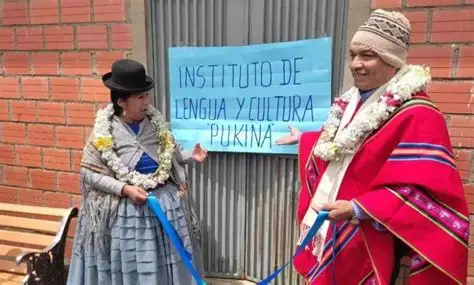
Language: Puquina (Pukina) was an important historical language of the Central Andes. It was spoken around the Lake Titicaca region and neighbouring parts of Bolivia and Peru. The language is classified as a language isolate, meaning that its relationship to other known language families has not been conclusively established. The language ceased to be widely spoken as a community language by the early nineteenth century. Although Puquina is no longer generally spoken as a living community language, its historical importance remains recognised in Bolivia. The Bolivian government has supported efforts to research, preserve and revitalise Puquina language and their cultural heritage.
Festivals and Celebrations: There is limited reliable documentation of distinct contemporary festivals that can be identified exclusively as Puquina festivals. Many traditional Puquina religious practices were transformed over centuries through contact with Aymara, Quechua and Spanish Catholic traditions. Today, Puquina cultural heritage can therefore be understood within the wider Andean calendar of agricultural, spiritual and community celebrations. These include ceremonies connected with Pachamama (Mother Earth), agricultural cycles, ancestral remembrance, community gatherings, music and dance.
Traditional Food: Traditional Puquina food was adapted to the high-altitude environment of the Altiplano. Important foods included potatoes, chuño (freeze-dried potato), maize, quinoa and other Andean crops, together with products from llama and alpaca herding. Food preservation was particularly important in the cold, dry climate. Chuño allowed potatoes to be preserved for long periods, while dried meat such as charqui provided an important source of protein. These foods could also be exchanged through regional trading networks.
Traditional Clothing: Historical information about Puquina clothing is limited. However, evidence from the wider Andean region indicates that textiles were an important part of Indigenous life. Llama and alpaca wool were used to produce warm garments suitable for the cold Altiplano climate. Traditional clothing included woven tunics, mantles, skirts and other woollen garments, with textile patterns and colours serving practical, social and cultural purposes. Andean textiles were highly developed and transmit information about their identity, community and status. Because the surviving evidence is limited, these descriptions should be understood as part of the wider historical Andean textile tradition rather than as a definitive reconstruction of exclusively Puquina dress.
AMAZONIAN COMMUNITIES OF NORTHERN BOLIVIA
Discover the cultures and knowledge of Indigenous communities living in and around Bolivia’s northern Amazon rainforest, including their deep connections with rivers, forests, wildlife and traditional natural resources.
6. TACANA
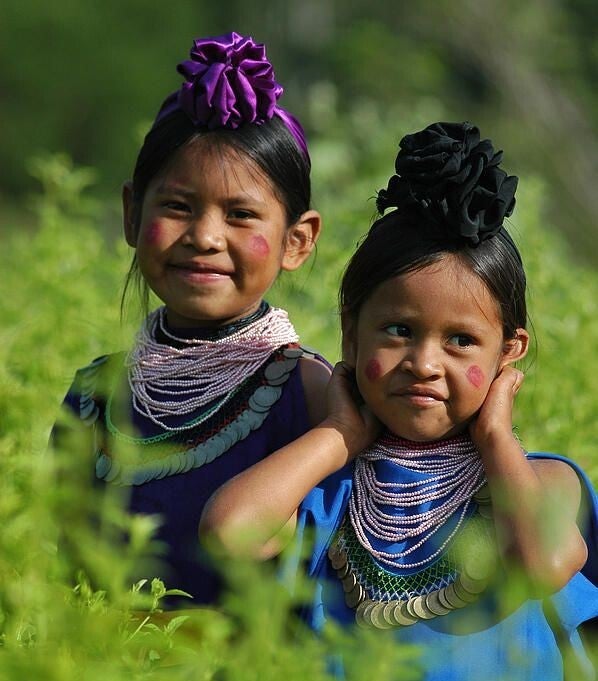
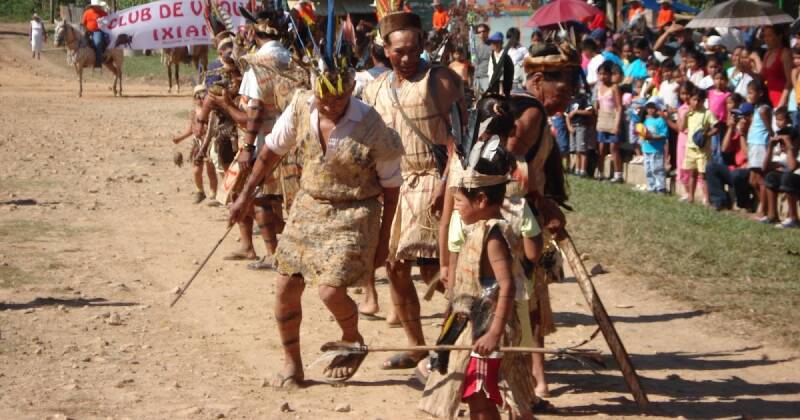
Main Region: The Tacana’s traditional territories extend across the Amazonian region of northern La Paz, particularly around the municipalities of San Buenaventura and Ixiamas and Madidi National Park as well as parts of Beni and Pando. Tacana Indigenous territories, including Tacana I and Tacana II, they are closely associated with the forests, rivers and savannahs of the Amazon lowlands. Tacana communities have developed systems of territorial management and traditional resource use that contribute to both cultural preservation and conservation.
Language: The Tacana language is an important part of the people's cultural identity and forms part of the Tacanan language family. Spanish is also widely used, particularly in education, administration and communication outside the communities. The preservation of the Tacana language is closely connected to the transmission of traditional knowledge, stories, beliefs and relationships with the natural environment.
Culture and Traditions: Tacana culture is strongly connected to the Amazonian environment. Traditional knowledge includes understanding plants, animals, rivers, forests and seasonal cycles. Agriculture, fishing, hunting and gathering have historically formed important parts of community life. Today, communities combine traditional activities with other livelihoods, including sustainable forest management, agriculture, handicrafts and community-based tourism. Traditional knowledge also includes the use of medicinal plants and other forest resources.
Way of Life: Traditionally, Tacana communities have maintained a close relationship with the land and natural resources on which their livelihoods depend. Families and communities cooperate in agricultural activities and the management of their surrounding territory. The forest provides food, materials and other resources, while rivers and waterways are important for transportation, fishing and everyday life. Today, Tacana communities are also increasingly involved in territorial governance, conservation and sustainable economic activities.
Festivals and Celebrations: Tacana celebrations and ceremonies are closely connected to community life, cultural identity and the agricultural calendar. Traditional ceremonies may mark important moments in the agricultural cycle and reflect the community’s relationship with nature and the spiritual world. Music, dancing, communal gatherings and traditional foods can form part of celebrations. Some traditional spiritual sacred ceremonies are private.
Traditional Food: Tacana cuisine reflects the resources of the Amazonian environment. Traditional and locally produced foods may include Cassava (yuca), plantain, banana, rice, maize, freshwater fish, wild and cultivated fruits, cacao and other forest fruits.
Traditional Clothing: Traditional Tacana clothing has changed over time as communities have interacted with neighbouring populations and the wider Bolivian society. There is therefore no single style of clothing that represents every Tacana community today. Historically, clothing was made using locally available natural materials, while contemporary clothing commonly reflects modern Amazonian and Bolivian styles.
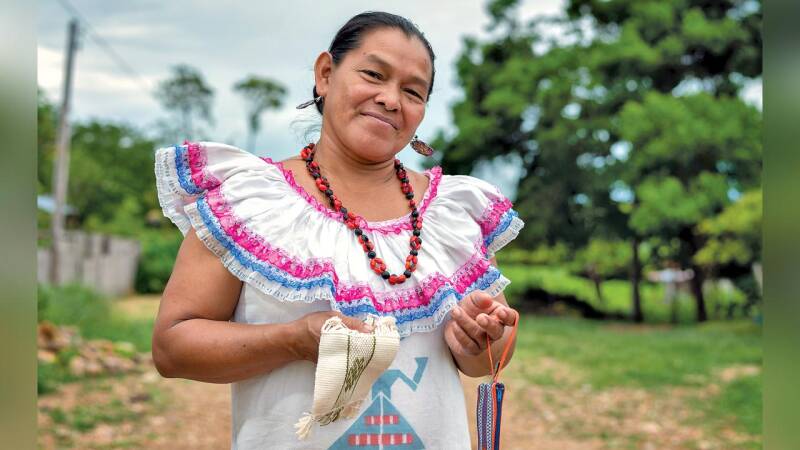
Handicrafts: remain an important expression of cultural Tacana identity these include woven products, baskets, textiles, jewellery and objects made from natural materials.
Sustainable Tourism: For visitors to northern Bolivia, learning about the Tacana people provides an opportunity to understand that the Amazon is not only a place of extraordinary wildlife and forests, but also a living cultural landscape.
7. ESE EJJA


Main Region: The Ese Ejja are Indigenous people of the Bolivian Amazon whose ancestral territory extends across the river basins of the Beni and Madre de Dios, particularly found in the northern Amazon, including parts of Pando and Beni. Their territory is closely connected with the rivers, forests and wetlands that have supported their communities for generations. The Ese Ejja also have communities in neighbouring Peru, making their cultural territory part of the wider Amazonian region.
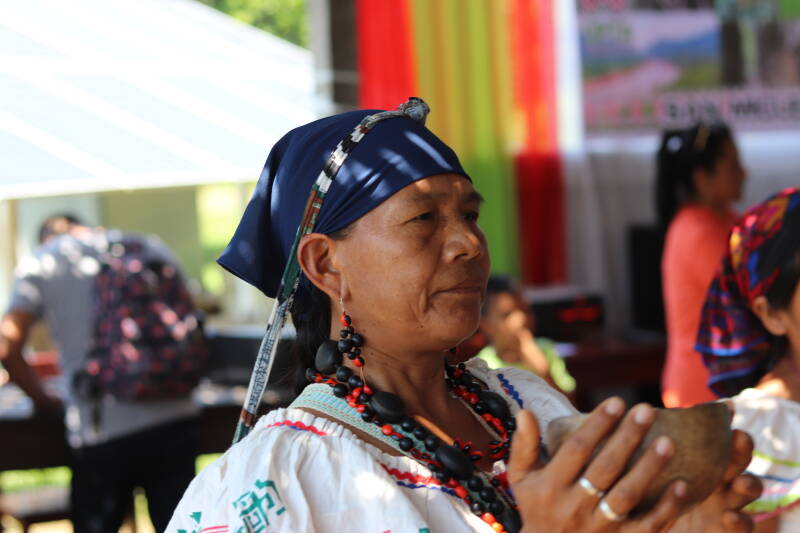
Culture and Heritage: Ese Ejja culture is deeply connected to the Amazon rainforest and its rivers. Traditional knowledge includes understanding the forest, rivers, plants and animals, as well as fishing, hunting, agriculture and the use of natural resources. The relationship between people, territory and nature remains an important part of Ese Ejja identity. Recent community planning initiatives have also emphasised the preservation of ancestral knowledge, cultural practices, territorial governance and the continuation of Ese Ejja ways of life.
Language: The Ese Ejja language belongs to the Tacanan language family and is spoken in both Bolivia and Peru. In Bolivia, it is associated particularly with communities in the Beni, Madre de Dios and Pando regions. The name Ese Ejja is commonly explained as referring to “people” or “true people”.
The language is an important part of Ese Ejja cultural identity. Preserving and transmitting the language is therefore closely connected with maintaining traditional knowledge, stories and cultural heritage.
Traditions and Way of Life: Historically, Ese Ejja communities have relied extensively on fishing, hunting, gathering and small-scale agriculture. Rivers are particularly important, providing food, transportation and connections between communities. Agriculture traditionally includes crops such as rice, sugar cane and pineapple, some families also practise handicrafts, with traditional skills being maintained within families and communities. Life in Ese Ejja communities reflects a close relationship with the surrounding Amazonian environment. Knowledge of seasonal changes, waterways, forests and natural resources plays an important role in everyday life.
Festivals and Celebrations: Ese Ejja cultural celebrations are closely associated with community life, family, traditions and Indigenous identity. Ceremonial practices, music, dancing, storytelling and gatherings form part of their cultural expression. However, celebrations vary between individual communities.
Food: Traditional Ese Ejja food is strongly influenced by the resources of the Amazon, fresh fish from the rivers has historically been an important source of food, alongside products obtained through hunting, gathering and agriculture. Locally cultivated products can include rice, pineapple and sugar cane, together with other foods available from the forest and surrounding environment.
Clothing: Traditional clothing has historically reflected the Amazonian environment and the materials available locally. Today, everyday clothing in Ese Ejja communities may also include contemporary garments, while traditional elements are more likely to appear during cultural events and community celebrations.
Handicrafts: Are another expression of Ese Ejja cultural heritage, craft production has traditionally taken place within families and communities and can represent an important way of maintaining cultural knowledge and skills.
8. CAVINEÑO
Main Region: The Cavineño are an Indigenous people of Bolivia's Amazonian lowlands, traditionally associated with the northern departments of Beni and Pando, with communities particularly found around the provinces of Vaca Díez and Ballivián in Beni and Madre de Dios and Manuripi in Pando. These communities and territories are closely connected to the rivers, forests and wetlands of the Amazon region.
Culture: Cavineño culture is strongly connected to the Amazon rainforest and to their relationship with nature. Oral tradition has historically been an important way of transmitting stories, knowledge and cultural values between generations. Elders are traditionally respected as important holders of community knowledge. Their cultural heritage also includes traditional craftsmanship, particularly weaving and the use of natural materials such as fibres, fruits and wood.
Language: The Cavineño have their own language, which belongs to the Tacanan language family. Spanish is also widely used, particularly in education, administration and communication with people outside the communities. Language remains an important part of preserving cultural identity and passing traditional knowledge from one generation to the next.
Traditions and Way of Life: Cavineño life has developed around the resources of the Amazon forest and rivers. Agriculture, fishing, hunting, gathering and livestock have historically contributed to household and community livelihoods. Food preparation and sharing are important parts of community life, particularly during gatherings and celebrations. Knowledge of the forest also includes identifying useful plants, gathering natural products and understanding seasonal changes.
Spiritual Traditions: Cavineño traditions include a strong respect for the natural world and the spiritual significance of forests and waterways. Historical accounts describe beliefs associated with spirits of the forest and water, as well as prayers and invocations connected with wellbeing, food and good fortune. Christianity has also influenced Cavineño communities over generations, particularly following the establishment of missions and the work of missionaries. As a result, contemporary cultural life includes both Indigenous traditions and Christian practices.
Festivals and Celebrations: Cavineño celebrations can vary from community to community. Religious celebrations and community gatherings form part of contemporary social life, reflecting the influence of Christianity alongside Indigenous cultural heritage. Festivals provide opportunities for music, dancing, communal meals, family gatherings and the strengthening of community relationships.
Food: Cavineño food traditions are closely connected to the resources available in the Amazon environment. Common foods and ingredients include: Yuca (cassava), Plantain and bananas, Wild fruits, Fish from local rivers, Brazil nuts (castaña), Locally grown agricultural products, meat obtained through traditional hunting and livestock raising
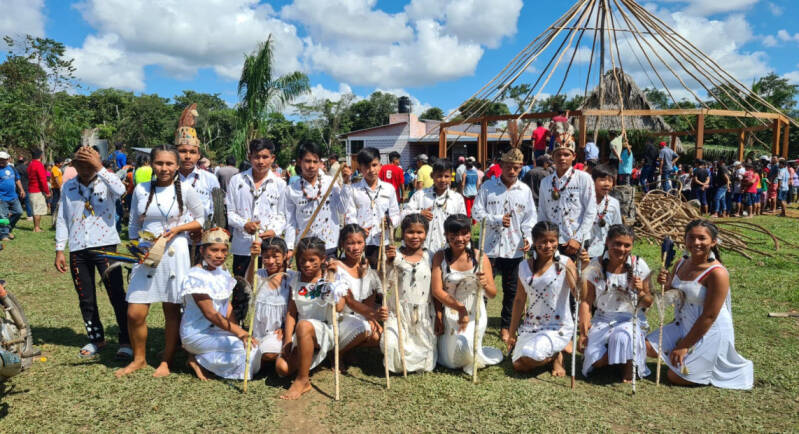
Clothing and Handicrafts: Traditional clothing has changed considerably through contact with wider Bolivian society, so there is not one standard Cavineño costume worn by all communities today. However, textile craftsmanship and handmade products remain important expressions of Cavineño cultural heritage. Women have traditionally been recognised for their weaving skills, producing objects such us baskets and other decorative objects made from using natural fibres and other materials gathered from the surrounding environment.
Cavineño Heritage Today: The Cavineño people form part of Bolivia's rich multicultural heritage, representing the connection between Amazonian landscapes, Indigenous knowledge, community life and cultural traditions. Their heritage continues to evolve while communities work to preserve their language, knowledge, crafts and relationship with their ancestral territories.
9. ARAONA
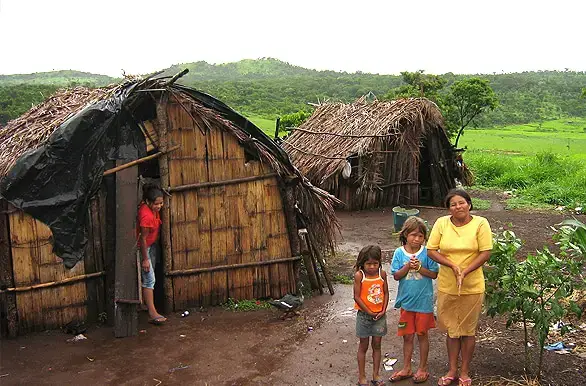
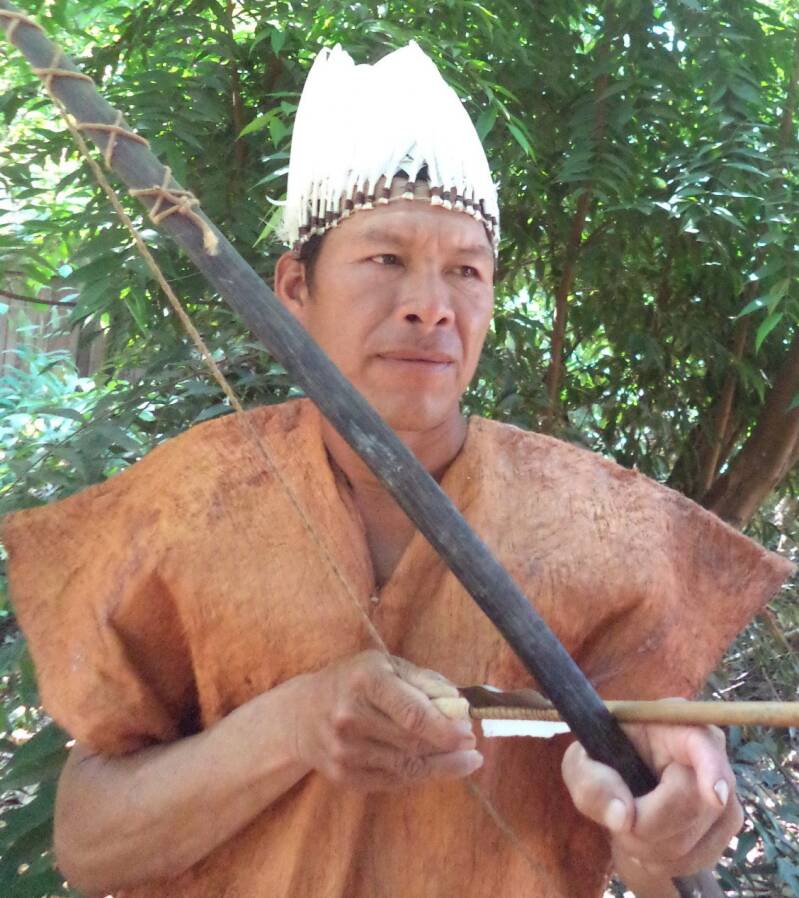
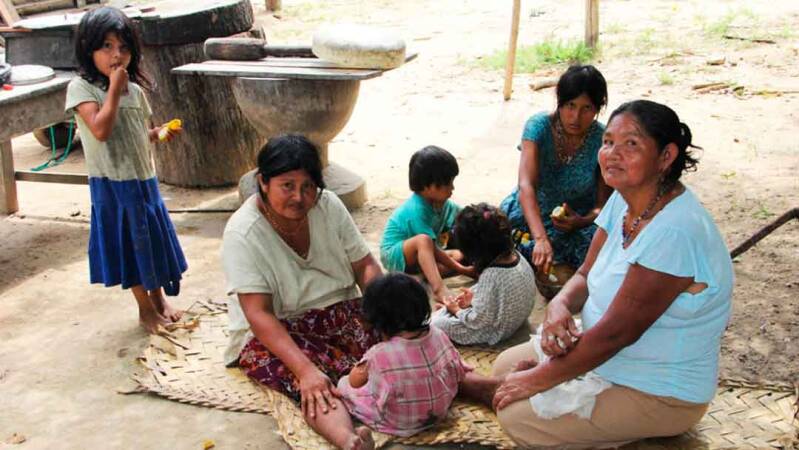
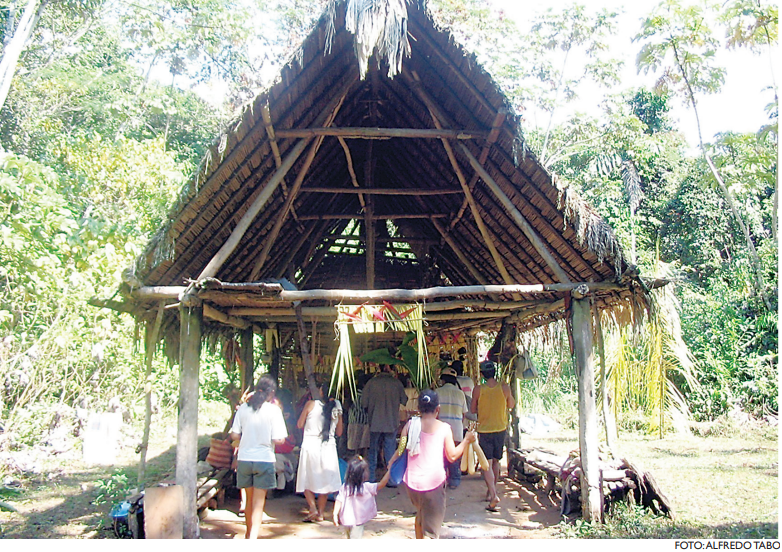
Main Region: The Araona traditionally inhabit the Amazon rainforest of northern La Paz, particularly the area around the Manupare River and its tributaries. Their territory is characterised by dense tropical forest, rivers and abundant wildlife. The wider Madidi region has historically been home to several Tacanan-speaking peoples, including the Araona.
Culture: Araona are one of the smallest indigenous communities of Bolivia, their culture has a strong connection with the Amazon rainforest and its rivers. Traditional knowledge of plants, animals, rivers and seasonal changes has played an important role in everyday life. Hunting, fishing, gathering wild foods and small-scale cultivation have traditionally provided food and materials for the community. Family and community relationships are central to their social life, their traditional knowledge is passed between generations through everyday activities, stories, practical skills and cultural practices. Their cultural heritage also includes traditional crafts, music, folklore and knowledge of the surrounding forest.
Language: The Araona language belongs to the Tacanan linguistic family and is closely related to other languages of the region, including Cavineño and Tacana. Araona is a recognised Indigenous language of Bolivia.
The preservation of Araona is particularly important because the community is small and the language faces pressures from the increasing use of Spanish.
Traditional Way of Life: Traditionally, the Araona have followed a forest-based subsistence lifestyle, combining hunting, fishing, gathering and small-scale agriculture. Crops such as cassava (yuca), plantain, maize and other tropical foods have formed part of their agricultural production. Forest products, including Brazil nuts, fruits and honey, can also provide important food and economic resources. Rivers are important for fishing, transportation and communication. The rainforest is not simply a place where the Araona live; it is an important part of their cultural identity, traditional knowledge and relationship with nature.
Festivals and Celebrations: Information about specific traditional Araona festivals is relatively limited compared with larger Indigenous groups in Bolivia, their cultural celebrations are closely associated with community life, music, dance, traditional knowledge, family gatherings and their relationship with the natural environment.
Food: Traditional Araona food is strongly influenced by the resources available in the rainforest and rivers. Fish, cassava (yuca), plantain, maize, wild fruits and other forest products form part of the traditional food system. Hunting and gathering have historically complemented small-scale agriculture and fishing. Food preparation is closely connected with knowledge of the forest and seasonal availability.
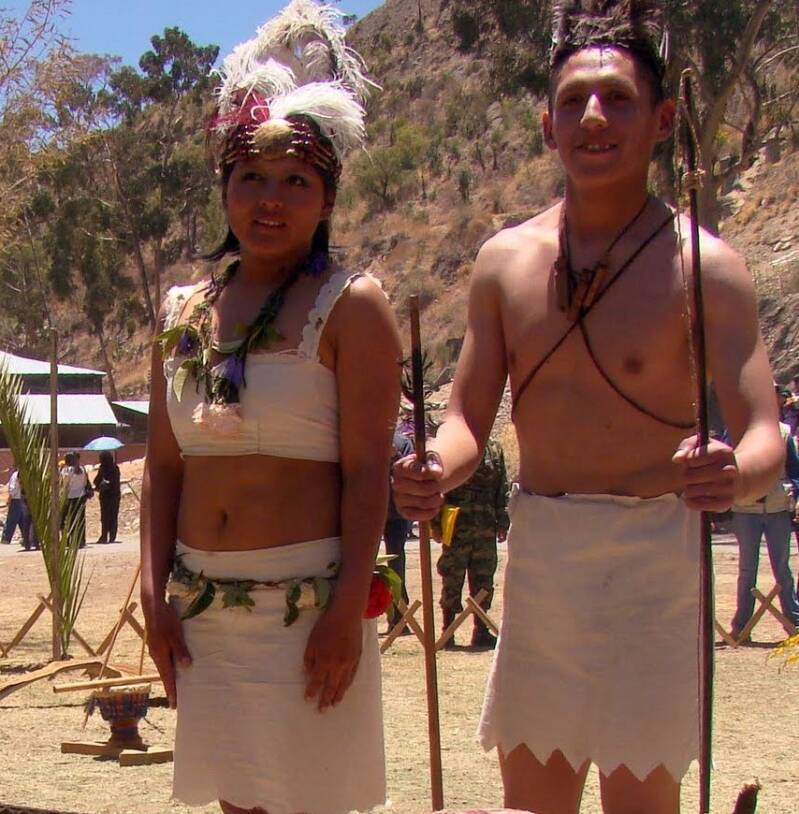
Clothing and Traditional Adornment: Traditional Araona clothing was historically adapted to the hot and humid Amazonian environment. Historical descriptions indicate the use of simple garments made from natural materials, together with body decoration and ornaments made from seeds, feathers and other materials from the forest. Today, Western-style clothing is commonly worn in everyday life, while traditional forms of adornment have cultural significance during special occasions.
Araona and Sustainable Tourism: The Araona cultural heritage offers an opportunity to learn about Amazonian Indigenous knowledge, biodiversity, traditional food systems and the relationship between people and rainforest. The Araona community is an example of Bolivia’s extraordinary Amazonian cultural diversity.
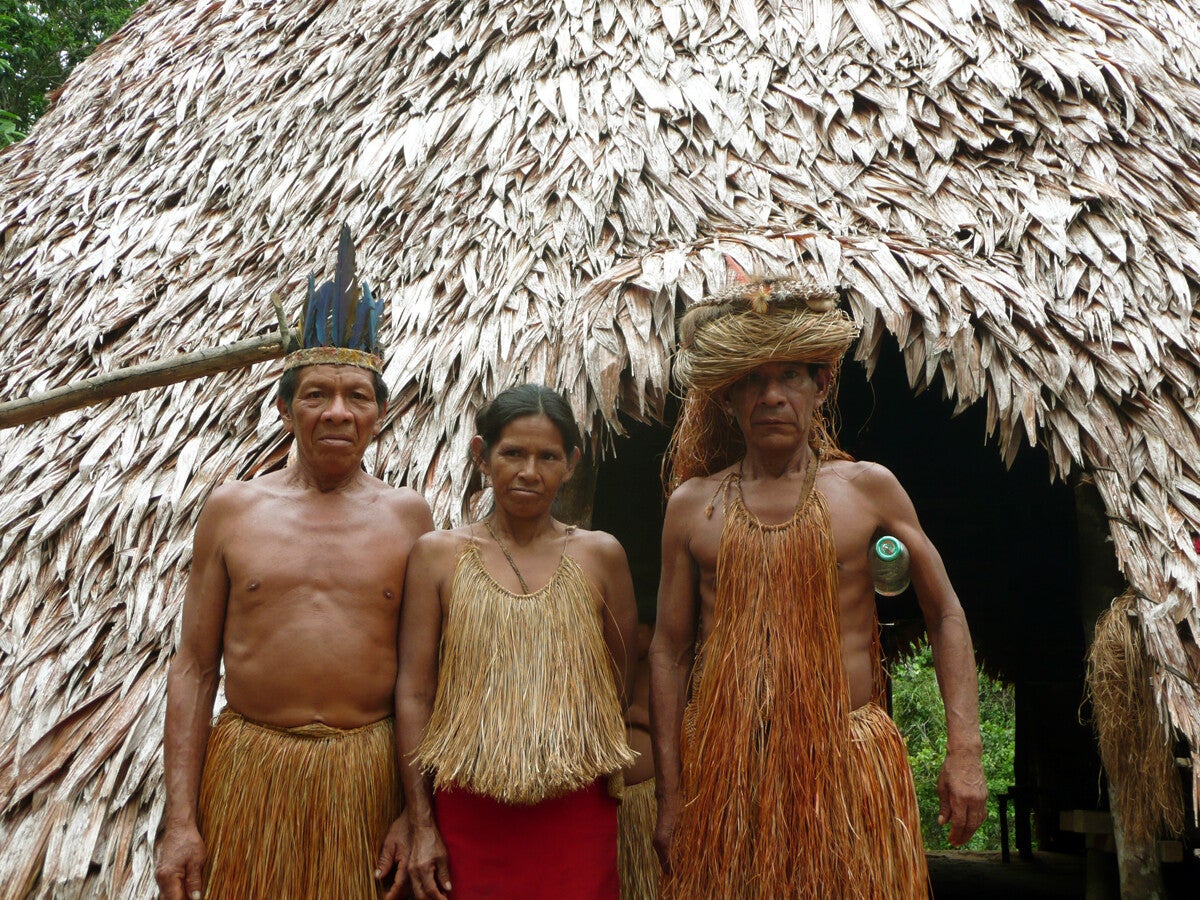
10.YAMINAHUA
Main Region: The Yaminahua (Yaminawa) are an Indigenous Amazonian people whose ancestral territory extends across parts of Bolivia, Peru and Brazil. In Bolivia, the Yaminahua communities are primarily found in the northern Amazon of Pando, where they share territory and historical connections with other Indigenous peoples of the region. Their area is characterised by tropical rainforest, rivers and exceptional biodiversity. The Yaminahua–Machineri Indigenous territory covers approximately 25,675 hectares, demonstrating the importance of collectively managed ancestral territories for the preservation of Indigenous culture and livelihoods.
Culture: Yaminahua culture is closely connected to the Amazon rainforest and the rivers and natural landscapes surrounding their communities. Traditional knowledge of plants, animals, forests and waterways has been passed between generations. Community life places importance on family, cooperation, folklore and knowledge of the natural environment. Traditional cultural expressions, including language, stories, artistic production and ceremonies, contribute to maintaining a strong sense of identity.
Language: The Yaminahua language, generally referred to as Yaminahua or Yaminawa, belongs to the Panoan language family, whose languages are spoken across parts of the southwestern Amazon.
Way of Life: Traditionally, Yaminahua communities have been closely connected with the forest and rivers, that provides them food, materials medicinal plans and resources for their subsistence. Activities include small-scale agriculture, fishing, hunting and gathering forest products, with knowledge of seasonal cycles that help the communities make sustainable use of their surroundings. Today, traditional practices coexist with modern education, transportation, communication and other services, while communities continue to work to maintain their cultural identity and connection with their ancestral territories.
Festivals and Celebrations: Yaminahua cultural celebrations are traditionally connected with community life, ancestral traditions, music, dance, storytelling and the natural environment. Ceremonial knowledge and cultural practices are generally transmitted within the community. Unfortunately, specific information about festivals of the Yaminahua community in Bolivia is limited
Food: Yaminahua traditional food reflects the resources available in the Amazon rainforest and surrounding rivers. Fish, cassava (yuca), plantains, maize, fruits and other locally available forest products form part of the broader Amazonian food tradition. Fishing, small-scale cultivation and gathering have historically provided important sources of food. The Amazon is also rich in edible plants and fruits, including products such as cacao, palm fruits, vanilla and Brazil nuts, although the use of individual products varies between communities.
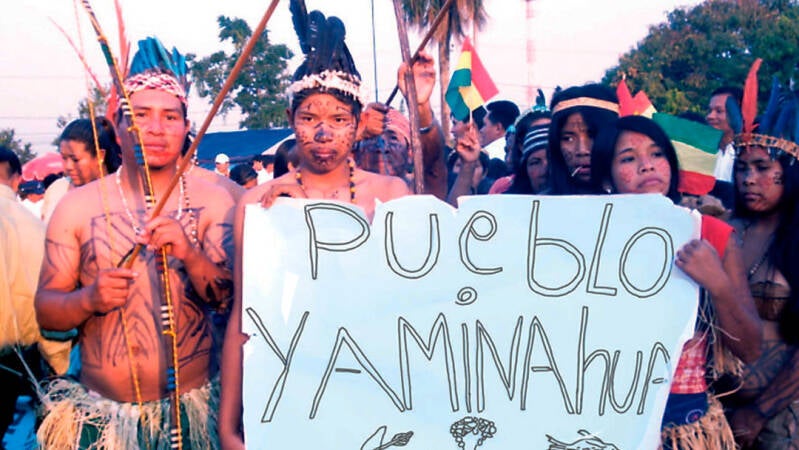
Clothing and Traditional Dress: Traditional Yaminahua clothing has historically reflected the materials and cultural practices of the Amazonian environment. Body decoration, ornaments and other forms of artistic expression carry cultural meaning and are used during particular ceremonies or community events. Clothing practices have changed over time, and contemporary Yaminahua people may wear modern clothing in everyday life.
11. MACHINERI
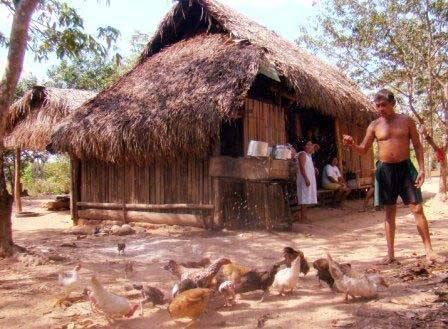
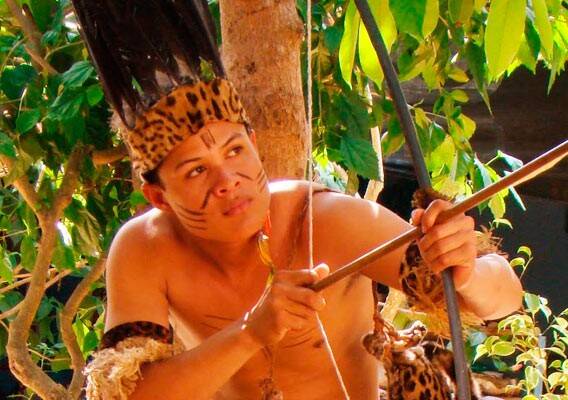
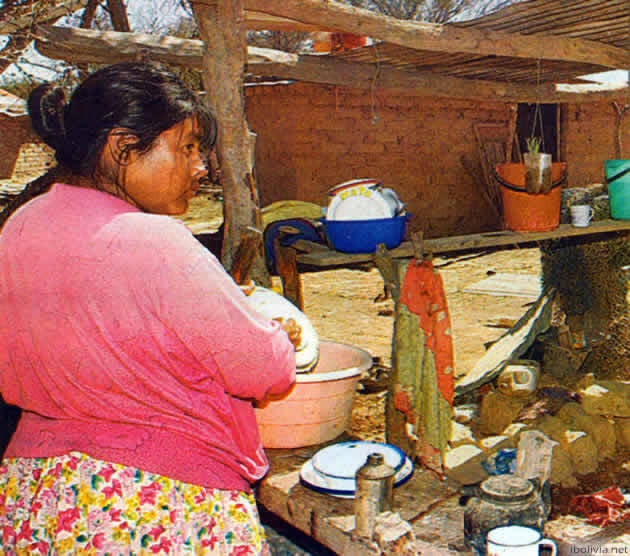
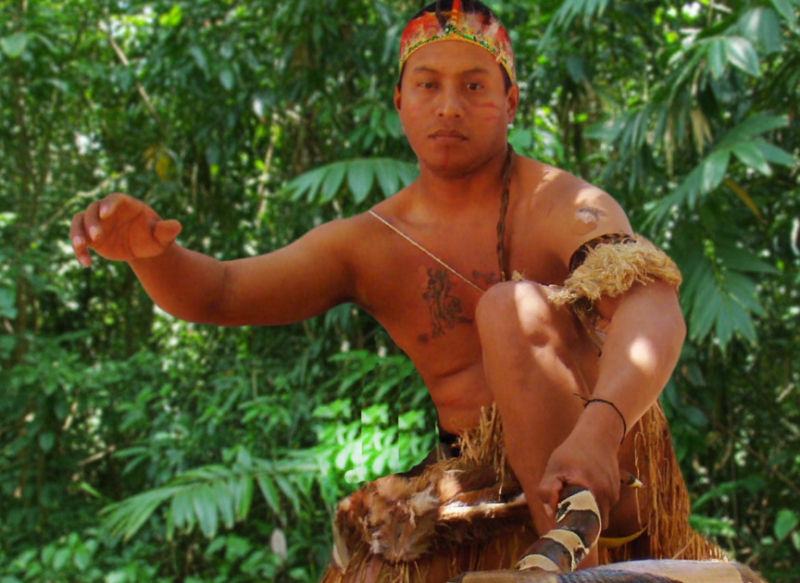
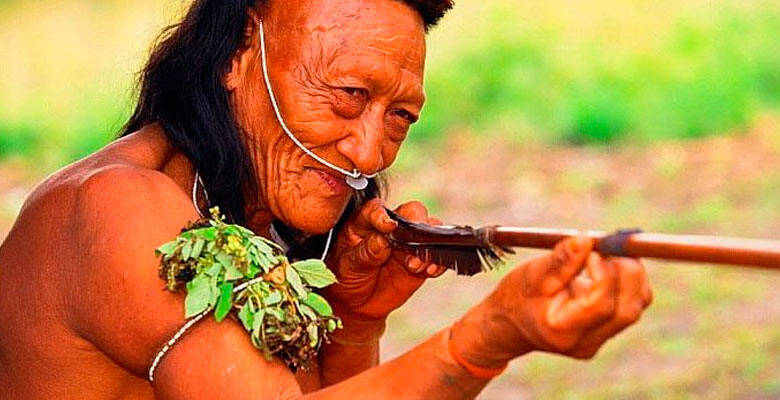
Deep in the Amazonian landscapes of Pando, near the Acre River and the borders of Brazil and Peru, lies San Miguel de Machineri, home to one of Bolivia’s smallest Indigenous peoples. The Machineri have maintained a close relationship with the rainforest and its rivers for generations, developing extensive knowledge of fishing, agriculture, forest resources, traditional medicine, handicrafts and the natural environment.
Main Region: The Machineri homeland is in the Amazonian lowlands of northwestern Pando, surrounded by tropical rainforest and rivers. Their principal community is San Miguel de Machineri, located approximately about 116 km from Cobija, the community lies close to the Brazilian border and strategically along the Acre River, this is particularly important for the community as it serves for transportation, fishing and connections with neighbouring communities.
Culture: Machineri culture is strongly connected to the forest, rivers, family and community life. Traditional knowledge includes the use of forest resources, medicinal plants, hunting and fishing techniques, agriculture and the collection of Brazil nuts. Their cultural identity is also maintained through traditional knowledge, folklore, crafts and community governance. Traditionally, social organisation has been based around extended families and community leadership. Traditional stories, myths and knowledge of the natural environment have played an important role in passing cultural values from one generation to another.
Language: The Machineri language, also known as Manchineri or Maniteneri, belongs to the Arawak language family. Machineri communities also have contact with Spanish and Portuguese because of their location near the Brazilian border. It is important to distinguish the Machineri language from the Yaminahua language, which belongs to the Pano family.
Traditional Way of Life: Life in San Miguel de Machineri has traditionally depended heavily on the natural resources of the Amazon rainforest and surrounding rivers. Important activities include fishing, hunting, small-scale agriculture, Brazil-nut collection, canoe transportation, and Handicrafts. The community's proximity to Brazil also means that cross-border trade and movement have historically been important to everyday life.
Festivals and Celebrations: Machineri cultural celebrations are closely connected to community life, traditional knowledge, history, folklore, myths, music, dance and Indigenous identity, rather than presenting the community as having a large commercial festival calendar.
Traditional Food: Machineri food is closely connected to the Amazonian environment. Traditional and locally available foods include fresh river fish, wild game, beans and other crops grown locally, Brazil nuts, fruits and other edible products collected from the rainforest
Clothing: Traditional Machineri clothing has changed considerably over time. Sources indicate that contemporary clothing has been influenced by neighbouring Brazilian and Bolivian communities, and that knowledge of the clothing styles used by earlier generations has diminished.
12. PACAHUARA
Main Region: The traditional Pacahuara homeland lies in the northern Bolivian Amazon, their territory extends across parts of Pando and Beni, particularly around the Acre, Abuná, Madera, Pacahuara and Negro river systems, today, the best-documented contacted Pacahuara community is Tujuré, near the Alto Ivón river in northern Beni, where Pacahuara families live alongside their closely related Chácobo people. The area is characterised by tropical forests, rivers, wetlands and abundant wildlife. Historically, Pacahuara territory covered a considerably larger area than their present-day settlements. However, their population have declined due to epidemics, colonisation and other historical pressures which has placed the community at serious risk of cultural and demographic disappearance.
Culture: Pacahuara culture is closely connected with the Amazonian environment and with family and community relationships. Their extended families formed an important part of social organisation, while knowledge of the forest was passed between generations. Their cultural heritage includes traditional knowledge of plants, hunting, fishing, agriculture, forest products, canoe-making and craft production. The Pacahuara have historically maintained close cultural and linguistic relationships with the Chácobo, another Pano-speaking Indigenous people of the Bolivian Amazon. Because the Pacahuara population has become extremely small, much of their traditional cultural knowledge is considered highly vulnerable.
Language: The traditional Pacahuara language belongs to the Pano language family, linguistically linked to their neighbouring Indigenous people of Chácobo. The language is critically endangered and has very few remaining speakers. Spanish is also used among contacted community members. The survival and documentation of Pacahuara language are important parts of preserving the community's cultural identity and Indigenous heritage.
Traditional Way of Life: Traditionally, Pacahuara life depended strongly on the resources of the rainforest and rivers. Important activities included hunting, fishing, gathering wild forest products and small-scale agriculture. Canoes have traditionally been important for their movement through the Amazonian river system, while knowledge of the forest has helped communities identify useful plants, animals and natural materials.
Festivals and Celebrations: Information about specific contemporary Pacahuara festivals is very limited, largely because of the community's extremely small population and the disruption of traditional cultural transmission. Traditional celebrations and cultural practices historically included community gatherings connected with social life, family relationships, nature and Indigenous beliefs. However, many traditional religious and ceremonial practices have become difficult to document because there are now so few Pacahuara people able to maintain and transmit them.
Food: Traditional Pacahuara food reflects the resources available in the Amazon rainforest and surrounding rivers. Foods such as cassava (yuca), maize, plantain, rice, sugar cane, fish, game and gathered forest products are important components of their traditional diet. Brazil nuts and palm heart have economic and nutritional importance. Hunting and fishing historically provided additional sources of protein, while agriculture supplied staple crops for family consumption. Is understood that food traditions are part of the Pacahuara's broader knowledge of the Amazon environment and seasonal availability of natural resources.
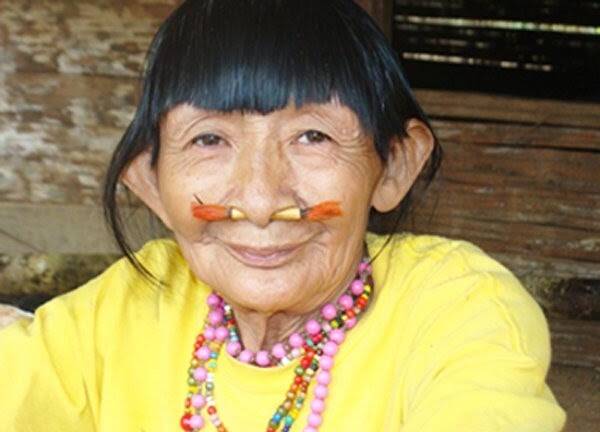
Clothing: Historical descriptions of Pacahuara clothing differ considerably from the everyday clothing worn by Indigenous communities today. Traditional ceremonial or cultural dress has been described as incorporating woven materials and feather ornaments, including feather arrangements worn around the forehead, chest and waist.
13. CHÁCOBO
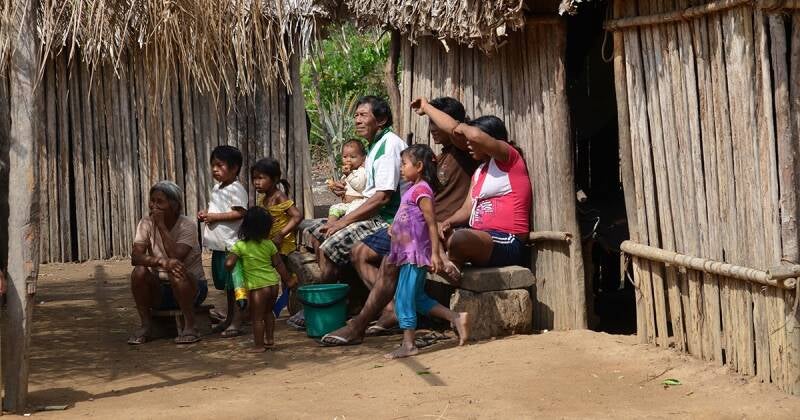
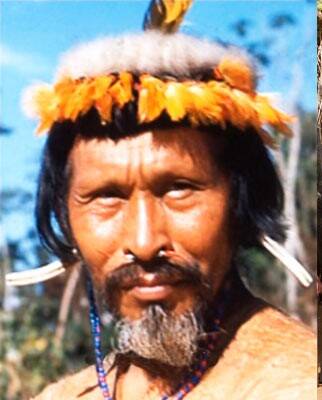
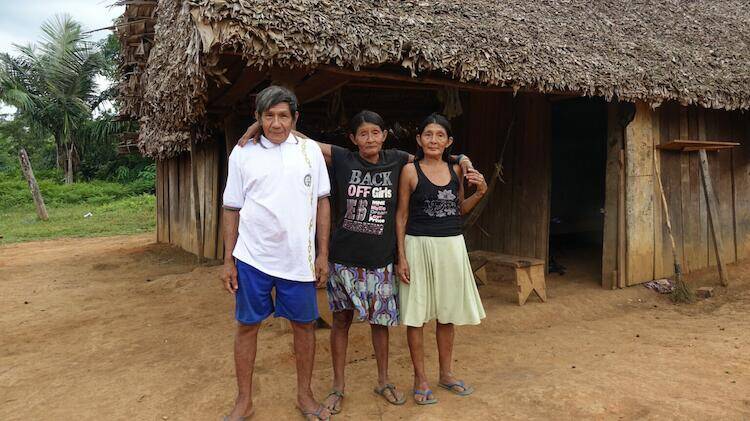
Main Region: The Chácobo's principal territory is in northern Beni, particularly in the norther Amazonian area around the Yata, Ivon and Benicito rivers. Communities traditionally identified with the Chácobo include Alto Ivon, California, Núcleo, Motacusal, Siete Almendros and Cayuses. Their territory is characterised by tropical rainforest, rivers and abundant biodiversity.
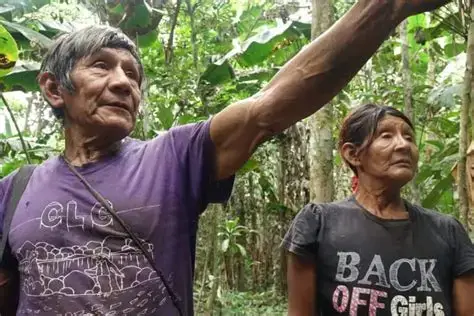
Culture: Chácobo culture is strongly connected to the forest, family, community and ancestral knowledge. Traditional knowledge from the elders of the community is passed between generations and includes knowledge of plants, animals, agriculture, hunting, fishing, forest resources and the natural environment. Community life has traditionally been organised around extended family relationships and collective decision-making. Chácobo cultural identity also includes traditional crafts, stories, music, ceremonies and knowledge of the rainforest.
Language: The Chácobo language belongs to the Pano language family, a linguistic family found across parts of the western Amazon, particularly in Bolivia, Peru and Brazil. Chácobo is recognised as an official Indigenous language of Bolivia under the country's Constitution.
Way of Life: Traditionally, the Chácobo have combined small-scale agriculture, hunting, fishing and gathering. Important crops include yuca (cassava), maize and rice, while forest products such as Brazil nuts and palm products have also contributed to household livelihoods. The rainforest provides food, materials and medicinal plants, while rivers provide fish and transportation. Community cooperation and family networks remain important elements of social life. Today, Chácobo communities combine traditional practices with modern education, healthcare, communication and economic activities, while continuing efforts to protect their cultural identity and ancestral territory.
Festivals and Celebrations: Chácobo celebrations are closely associated with community life, cultural identity, traditional knowledge, music, dance and ceremonies. Rather than focusing only on large public festivals, many important cultural activities take place within the community and are connected to family and collective life. Traditional ceremonies, music, dancing, storytelling and communal gatherings help maintain connections with Chácobo heritage and identity. For the Chácobo some ceremonies and cultural practices are sacred or community specific.
Traditional Food: Chácobo food reflects the resources available in the Amazon rainforest and surrounding agricultural areas. Traditional ingredients include yuca (cassava), maize, rice, fish and wild forest foods, food preparation is closely connected to knowledge of the local environment and the seasonal availability of agricultural and forest resources.
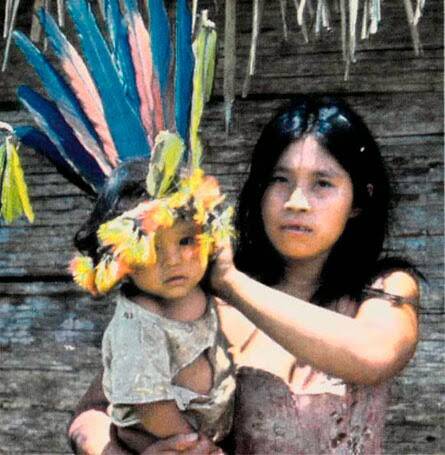
Traditional Clothing: Traditional Chácobo clothing has historically been relatively simple and adapted to the hot, humid Amazonian environment. Clothing and body decoration have also served cultural and social purposes. Traditional forms of adornment may include beads, necklaces, bracelets, feathers and other natural materials. Body decoration and ceremonial adornment have cultural meanings and are not common everyday clothing. Today, Chácobo people commonly wear contemporary clothing in daily life, while traditional adornments and cultural elements may be maintained for ceremonies, celebrations and cultural events.
14. TOROMONA
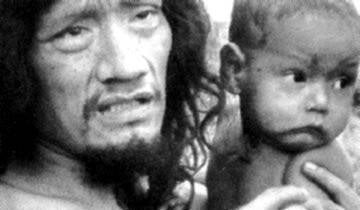
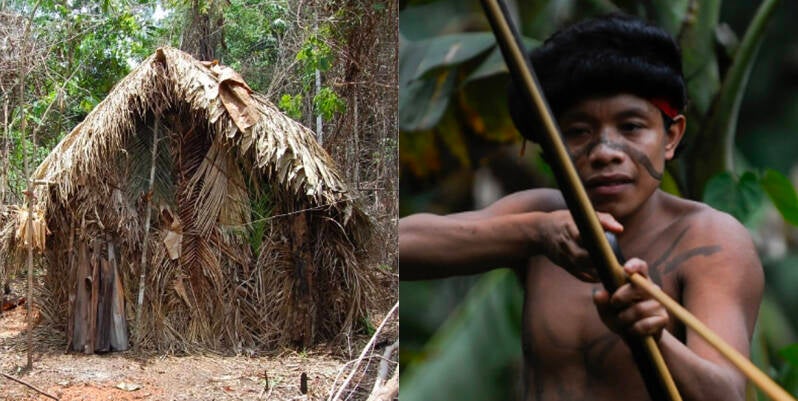
Main Region: The Toromona are an Indigenous people associated with the remote Amazonian forests of northwestern Bolivia, particularly the upper Madidi and Heath (Sonene) River areas. Their territory lies within and around the protected forests of Madidi National Park, an exceptionally biodiverse region of the Bolivian Amazon. Because the Toromona are believed to live in voluntary isolation, their exact locations and movements are not publicly disclosed. Bolivia established an Intangible and Integral Protection Zone to protect the area associated with isolated Toromona groups from outside activities.
Culture: Very little reliable information is available about contemporary Toromona culture because there has been no sustained direct contact with the group. Historical accounts and research suggest a strong relationship with the Amazon rainforest, where knowledge of rivers, plants, animals and seasonal changes would be essential to survival. However, these practices should not automatically be attributed specifically to the Toromona, because direct ethnographic information about them is extremely limited.
Language: The Toromona language is generally associated with the Tacanan language family, although its exact classification remains uncertain because the language is very poorly documented. It is important to distinguish the Toromona language from Tacana, Cavineño and Ese Ejja, which are better documented languages of the wider Amazonian region.
Way of Life: The Toromona are widely described as a people living in voluntary isolation, meaning that they maintain little or no regular contact with wider Bolivian society. Their way of life is therefore closely connected with the forest environment. Available evidence and historical accounts suggest reliance on traditional Amazonian subsistence activities such as hunting, fishing, gathering and small-scale use of forest resources. Mobility within the forest is believed to be an important part of maintaining access to food and water.
Festivals and Celebrations: There are not reliably documented public Toromona festivals or celebrations that can be confidently presented. Their isolation means that information about ceremonies, spiritual traditions, seasonal celebrations and community gatherings is extremely limited.
Food and Traditional Diet: Reliable information about a distinct Toromona cuisine is also very limited. Historical and regional evidence indicates that Indigenous peoples of the Madidi area traditionally obtained food through a combination of hunting, fishing, gathering and cultivation.
Clothing: There is insufficient reliable contemporary information to provide a definitive description of traditional Toromona clothing. Because the community remains isolated, descriptions of clothing found in secondary sources are often speculative or based on comparisons with neighbouring Amazonian peoples.
Conservation: The Toromona represent an important part of Bolivia's Indigenous and Amazonian heritage. Their situation also demonstrates why responsible and respectful tourism is essential.
15. LECO
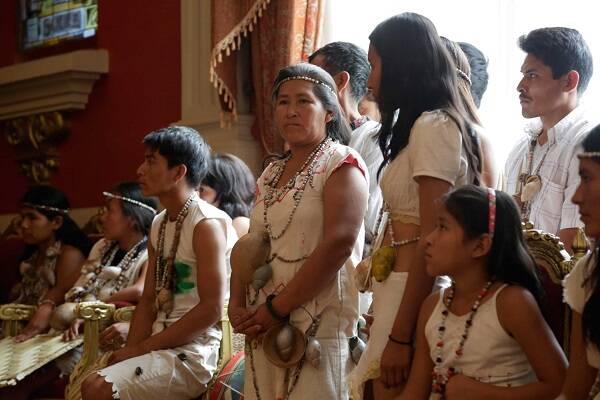
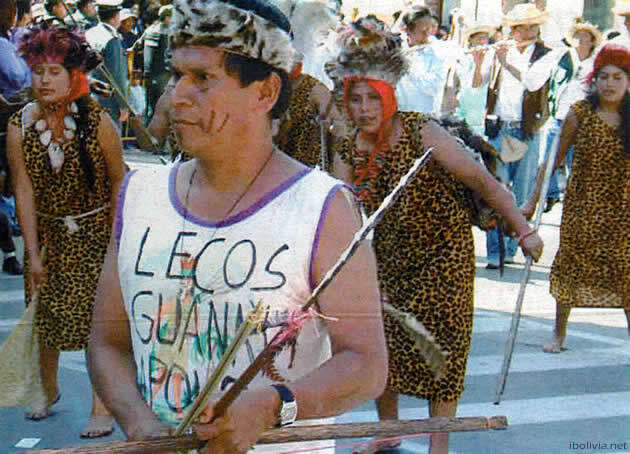
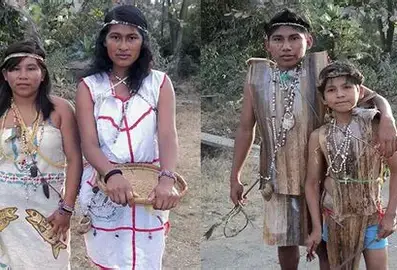
Region and Territory: The Leco people are Bolivian Indigenous people, whose traditional territory is located in the sub-Andean and Amazonian foothills of La Paz, particularly around the municipalities of Apolo and Guanay, but also in the provinces of Franz Tamayo and Larecaja, areas that are close to the Madidi National Park. The Leco territory includes a remarkable transition between Andean forests, montane forests and Amazonian landscapes, areas of vital importance as it provides habitat to important wildlife such as the Andean Bear, Military macaw and the endemic Palcachupa.
Culture and Heritage: Leco culture is closely connected to the land, forests, rivers and agricultural landscapes. Historically, the Leco were known as a resilient people who resisted outside incursions and maintained their communities in the challenging terrain of the eastern Andes. However, their cultural heritage has been influenced over time by contact with Quechua communities, colonial missions and wider Bolivian society. Today, the Central Indígena del Pueblo Leco de Apolo (CIPLA) represents Leco communities and has supported initiatives involving cultural identity, sustainable production, conservation and community development.
Language: The traditional Leco language, known as Leco, Leko or Rik'a, is a distinctive Indigenous language of Bolivia and is classified as an isolate language, meaning that it has no established close relationship with another known language family. In recent years the language has become critically endangered, with very few fluent speakers reported in modern linguistic research.
Traditional Way of Life: Traditionally, Leco communities have relied heavily on agriculture, hunting, fishing and the sustainable use of forest resources. Agriculture remains an important part of community life, their community-based production includes crops, honey production and the management of water sources.
Festivals and Celebrations: Leco cultural celebrations provide opportunities for communities to strengthen their identity, share traditional knowledge and promote local products, one example of this is the Chacanhe Ponte Cultural and Productive Fair, held in Apolo. Chacanhe ponte means “place of abundance” in the Leco language. The event brings together producers from all Leco communities to celebrate their cultural heritage, traditional agricultural varieties, family gardens, beekeeping and environmental conservation. This community celebrations also includes music and dancing activities that reinforce relationships between families and neighbouring communities.
Food and Traditional Agriculture: Leco food traditions are closely connected to the products available in their forest and agricultural environment. Locally grown crops, fruits, vegetables and other forest resources form an important part of household food production. Traditional family gardens are particularly significant because they help preserve local crop varieties and food knowledge. Beekeeping is also part of some contemporary community-production initiatives.
Clothing and Craftsmanship: Traditional Leco clothing has changed considerably over time. Historical descriptions record cotton garments, including long tunic-like clothing, while contemporary Leco communities generally wear clothing similar to that of other rural Bolivian populations. Traditional craftsmanship has included woven baskets, mats and bags, using locally available plant fibres such as motacú. Cotton bags known as maricos are traditionally used to carry personal belongings, hunting equipment or agricultural products.
BENI & AMAZONIAN LOWLANDS COMMUNITIES
Beni and Bolivia’s Amazonian Lowlands are home to diverse Indigenous communities whose cultures are deeply connected to the rainforest, rivers, wetlands and savannahs.
16. MOXEÑO TRINITARIO
Main Region: The Moxeño Trinitario are primarily associated with Beni, particularly the areas around Trinidad, San Ignacio de Moxos, San Lorenzo de Moxos, San Francisco de Moxos, Rosario and communities along the Mamoré River. Moxeño Trinitario communities are also found in Indigenous territories including the Territorio Indígena Multiétnico (TIM) and parts of the TIPNIS. The region is characterised by extensive tropical forests, rivers, lagoons and seasonally flooded savannas.
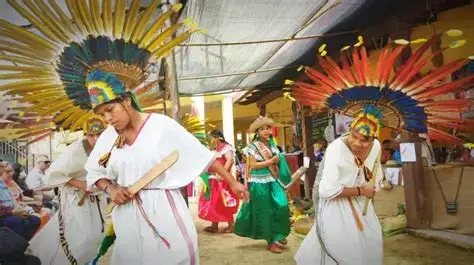
Culture and Heritage: Moxeño Trinitario culture is characterised by a combination of Indigenous beliefs, traditional knowledge, music, dance, craftsmanship and Catholic traditions. Community life places importance on family, collective participation, respect for elders and maintaining cultural traditions across generations. Music and dance are particularly important of their cultural celebrations and include the use of Indigenous musical instruments, singing, processions and elaborate dances. The Macheteros, for example, are one of the best-known cultural expressions of the Moxeño people. The community also maintains traditional forms of handicraft, including work with natural fibres, textiles, wood and ceramics.
Language: Moxeño Trinitario, also known as Mojeño Trinitario, belongs to the Arawakan (Arawak) language family. It is one of the Indigenous Arawakan languages spoken in Bolivia. The language continues to be used in communities around Trinidad, San Lorenzo, San Francisco, the Mamoré River and Indigenous territories such as the TIM and TIPNIS. Spanish is also widely used, particularly in education, administration and communication outside Indigenous communities.
Traditional Way of Life: Traditionally, Moxeño communities have maintained livelihoods closely connected to the natural environment. Agriculture, fishing, hunting, gathering and small-scale animal husbandry have contributed to household food security, while local knowledge of plants, rivers, forests and seasonal cycles remains an important part of community life. Traditional knowledge of the environment also contributes to the preparation of food, medicines, handicrafts and household materials. Today, many Moxeño Trinitario people combine traditional practices with modern education, employment, commerce and urban life.
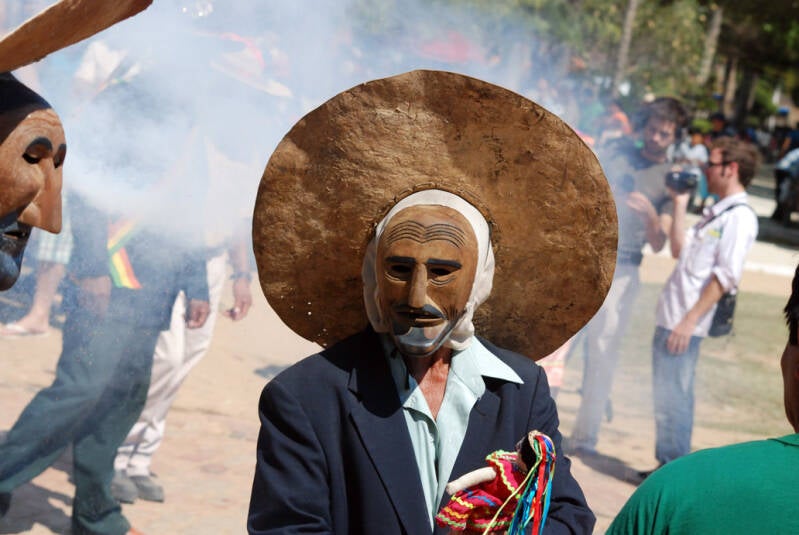
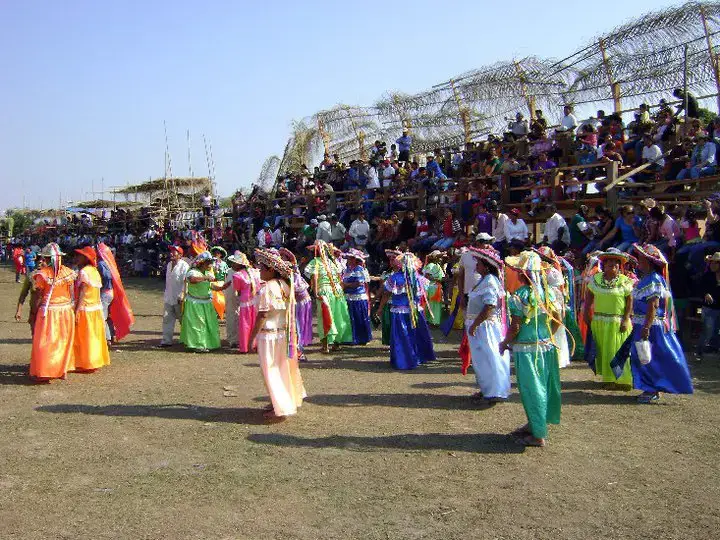
Festivals and Celebrations: One of the most important cultural celebrations associated with the Moxeño people is the Ichapekene Piesta, or Fiesta Grande, held annually in San Ignacio de Moxos. Recognised by UNESCO as Intangible Cultural Heritage of Humanity in 2012, the celebration combines Indigenous Moxeño traditions with Catholic religious practices. The festival includes religious ceremonies, music, processions, dancing, traditional characters, feasting and elaborate costumes. Among its best-known cultural expressions are the Macheteros, as well as characters such as the Achus. Participants wear distinctive costumes and masks, while traditional music and dance accompany the celebrations.
Traditional Food: Moxeño Trinitario cuisine is strongly influenced by the agricultural and aquatic resources of the Beni lowlands. Yuca (cassava), plantain, maize, rice, beans, squash fish and locally available fruits and vegetables form an important part of the regional diet.
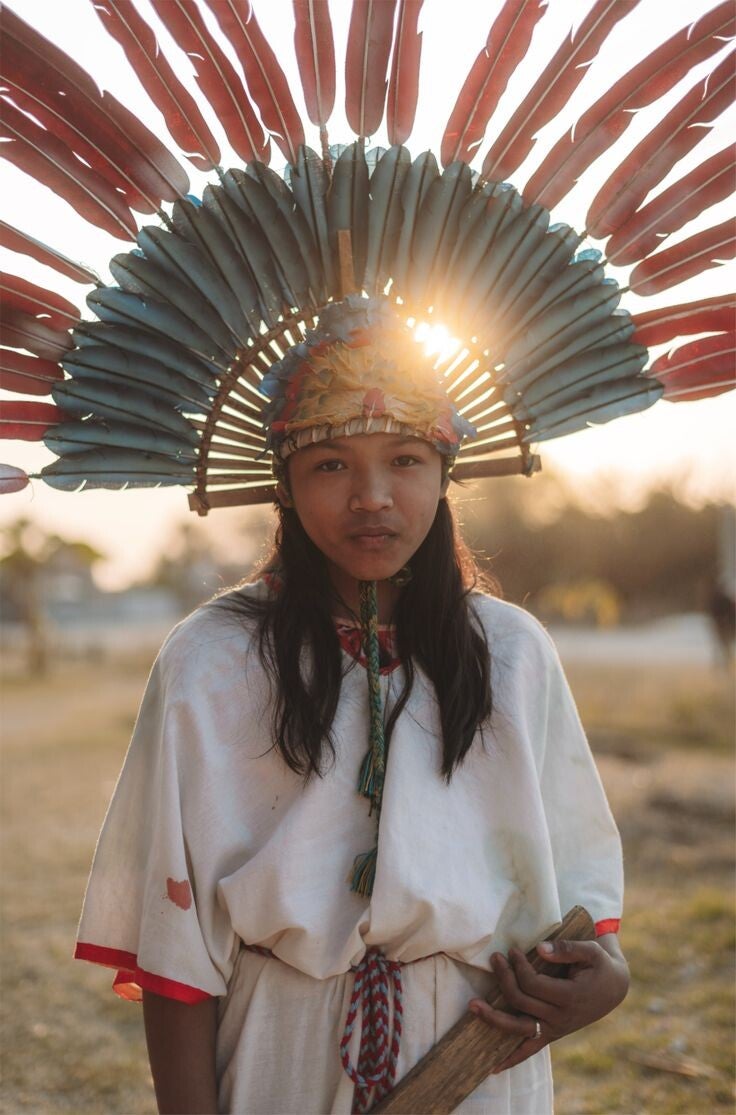
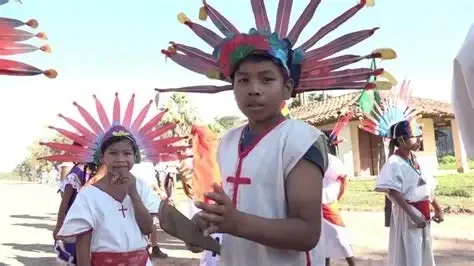
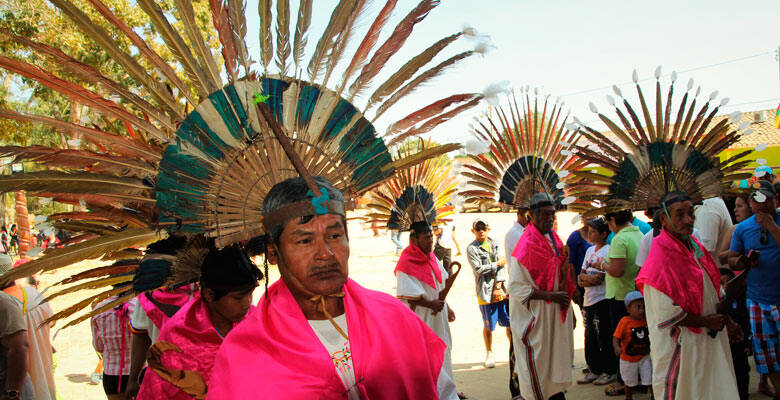
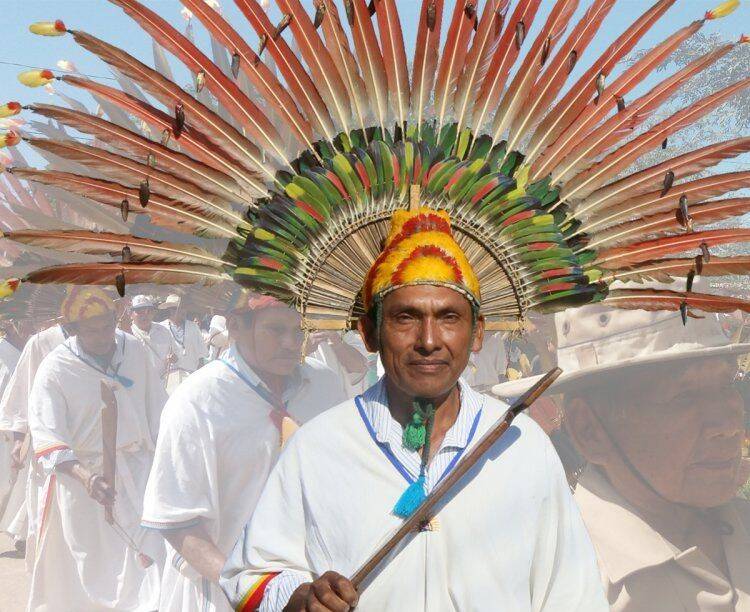
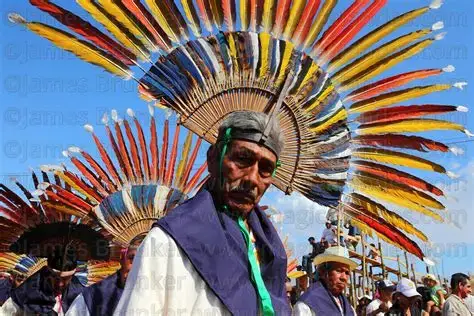
Traditional Clothing: Traditional Moxeño clothing varies according to everyday life, ceremonies and cultural celebrations. Traditionally, men commonly wear light-coloured shirts and trousers, while women wear the tipoy, a traditional loose-fitting dress associated with the lowland Indigenous cultures of the region. Ceremonial clothing is considerably more elaborate. The Macheteros, for example, are recognised by their distinctive white garments, large, feathered headdresses and other symbolic elements. These costumes form an important part of the visual identity of Moxeño celebrations.
17. MOXEÑO IGNACIANO
Main Region: The home of the Moxeño Ignaciano is San Ignacio de Moxos, in the Moxos region of Beni's tropical lowlands. The wider Moxos landscape consists of extensive grasslands, wetlands, rivers and seasonally flooded plains.
Culture: Their culture is characterised by a strong sense of community, spirituality, music, dance and respect for nature. Their indigenous traditions coexist with elements of Catholicism introduced during the Jesuit mission period, creating a distinctive form of cultural syncretism. Religious celebrations, traditional music and ceremonial dances remain important ways of transmitting knowledge and identity between generations. Their cultural heritage is expressed through language, music, dance, spirituality, traditional crafts, agriculture and community celebrations.
Language: The traditional language of the community is Mojeño-Ignaciano (Ignaciano), an Indigenous language belonging to the Arawakan language family. The language is recognised as an official Indigenous language of Bolivia. However, Spanish is also widely used within communities.
Way of Life: Traditional Moxeño life has a close relationship with the natural environment of the Beni lowlands. Agriculture and small-scale livestock raising have historically been important, fishing, hunting and gathering have also traditionally contributed to food and livelihoods in the wider Moxos environment. Community cooperation, traditional knowledge and participation in religious and cultural activities remain important aspects of social life. Handcrafted textiles, hammocks, woodwork and other locally produced objects are also part of the cultural economy.
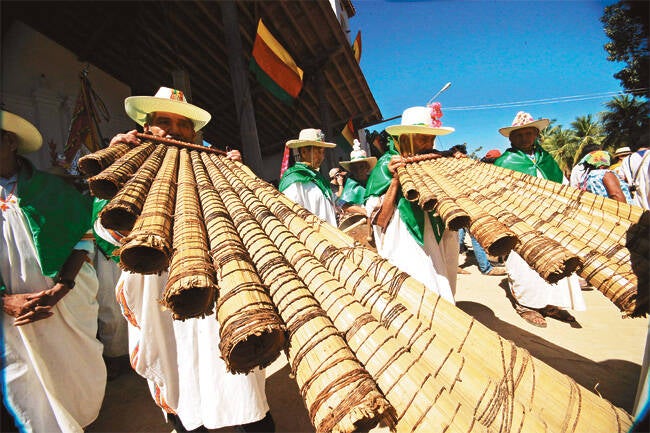
Festivals and Celebrations: The most important cultural celebration is the Ichapekene Piesta, the major festival of San Ignacio de Moxos, which was inscribed by UNESCO in 2012 on the Representative List of the Intangible Cultural Heritage of Humanity. The celebration combines Indigenous Moxeño traditions with Catholic elements and includes music, dancing, religious ceremonies, processions, feasts and elaborate performances. One of its best-known traditions is Los Macheteros, a ceremonial dance performed by dancers wearing striking feathered headdresses and carrying wooden machetes. Other characters and groups appearing during the festivities include the Achus (grandfathers/ancestors) and masked figures representing animals and ancestral beings.
Traditional Food: Moxeño and wider Beni cuisine makes extensive use of locally available ingredients such as yuca (cassava), plantain, maize, rice, fish, meat and other products from the tropical lowlands are important components of traditional cooking. Regional dishes associated with the Beni include masaco, majadito, locro, patasca, pacumuto and dishes prepared with charque. Food is particularly important during community gatherings and religious celebrations, when families and visitors come together to share traditional dishes and locally prepared foods.
Traditional Clothing: Traditional Moxeño clothing is particularly visible during festivals and ceremonial dances. Women may wear the tipoy, a traditional loose-fitting dress associated with Indigenous peoples of the Bolivian lowlands. Men's everyday traditional clothing has included light-coloured shirts and trousers. For ceremonial performances, clothing becomes much more elaborate. The Macheteros wear long cotton tunics and spectacular feathered headdresses, while carrying wooden machetes as part of the dance. The costumes and headdresses have strong symbolic meaning and are an important visual expression of Moxeño cultural identity.
18. MOVIMA
Main Region: The Movima are an Indigenous people of the Bolivian Amazon, predominantly associated with the Yacuma region of Beni. Their communities are concentrated around Santa Ana del Yacuma, Exaltación and San Joaquín, as well as other small settlements along the Yacuma, Rapulo and Apere rivers. The surrounding landscape of tropical forests, savannas and seasonally flooded plains have strongly influenced Movima culture and their traditions.
Culture: Movima culture is closely connected to the land, rivers, forests and family. Traditional knowledge includes agriculture, fishing, hunting, gathering wild fruits and the use of medicinal plants. The community traditionally maintains strong family and social relationships, with the extended family playing an important role in everyday life. Movima spirituality has historically included respect for ancestors and for the spiritual beings associated with the forest and animals. Today, Movima cultural identity combines ancestral traditions with influences resulting from centuries of contact with Christian and wider Bolivian society.
Way of Life: Traditional Movima livelihoods have been based on small-scale agriculture, fishing, hunting and gathering. Families cultivate a small variety of crops, while fishing and gathering provide additional sources of food. The rivers are particularly important for transportation, fishing and communication between communities. Agriculture has had to adapt to the seasonal flooding of the Beni lowlands, while family cooperation remains an important part of community life. Today, many Movima families combine traditional activities with livestock raising, local trade and participation in the wider regional economy.
Language: Movima is the traditional language of the Movima people, and it is officially recognised by the Bolivian constitution. It is considered an isolate language, meaning that researchers have not established a convincing genetic relationship between Movima and another known language family. Although Spanish is now widely spoken, Movima remains an important symbol of cultural identity, particularly among older generations.
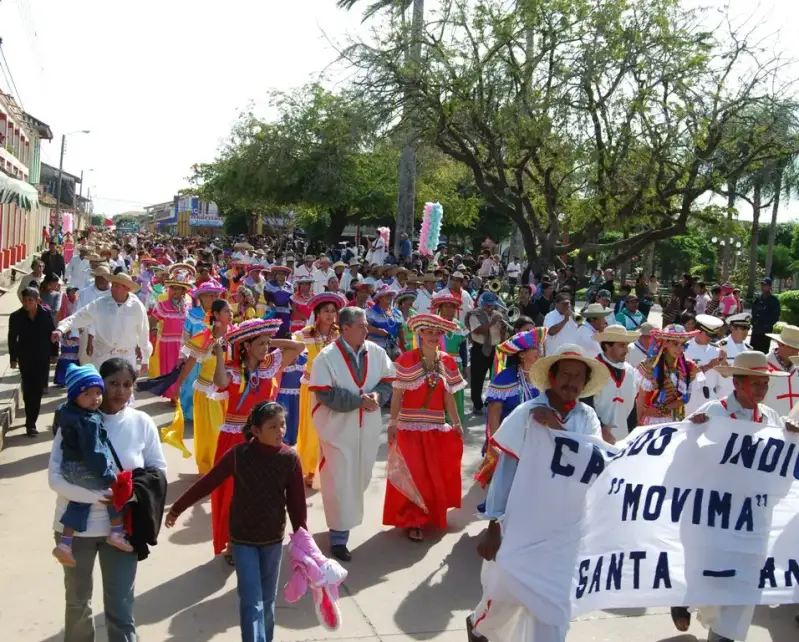
Festivals and Celebrations: Movima celebrations combine Indigenous traditions with Catholic and regional customs. One of the most important celebrations associated with Santa Ana del Yacuma is the annual Fiesta de Santa Ana, held around 26 July, honouring Saint Anne, the town's patron saint, this festivity includes religious processions, music, dancing and community gatherings.: Community celebrations remain an important expression of their identity, it also provides opportunities for families from surrounding areas to meet, share food, music and traditions, and strengthen cultural ties.
Traditional Food: Movima cuisine reflects the agricultural and natural resources of the Beni lowlands. Important ingredients include: Yuca (cassava), Plátano (plantain), Maíz (maize), Arroz (rice), Frijoles (beans), zapallo, camote, wild fruits and freshwater fish. The cuisine reflects a practical relationship with the landscape, using crops grown by families alongside fish, wild fruits and other locally available resources.
Traditional Clothing: Movima traditional clothing has been influenced by the hot and humid climate of the Beni lowlands and by wider Indigenous and regional traditions. Traditional and ceremonial clothing include light cotton garments, simple shirts and dresses, sometimes decorated with colourful details or natural materials. During cultural celebrations, music and dance performances, clothing can be more decorative and may incorporate handmade accessories, feathers, beads or other locally significant materials. It is important to recognise that there is no single everyday “Movima costume” worn by all members of the community today. Clothing varies between communities, generations and occasions, with contemporary clothing widely used in daily life.
19. CANICHANA
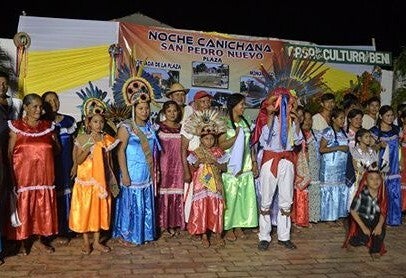
Main Region: The Canichana are indigenous people of Bolivia’s eastern lowlands and are primarily found in the Beni region and the Llanos of Moxos, particularly around San Pedro Nuevo and neighbouring communities within the municipality of San Javier. The region consists of tropical savannahs, forests, wetlands and important waterways, including the Mamoré River. Rivers have traditionally played an important role in transportation, fishing, food production and community life.
Culture: Canichana culture reflects a combination of Indigenous lowland traditions and Catholic influences introduced during the Jesuit mission period. Community life places importance on family, cultural identity, music, dance, religious celebrations and traditional knowledge. Traditional dances are particularly important during community celebrations. Their culture has been shaped by a close relationship with the rivers, forests and savannahs of the Beni, as well as by the historical influence of the Jesuit missions of Moxos.
Way of Life: Traditionally, the Canichana have depended on a combination of agriculture, fishing, hunting and gathering, adapting their way of life to the rivers, forests and fertile lands of Beni. Agriculture and fishing remain an important source of food, while river travel and knowledge of the surrounding environment form an important part of everyday life. Community and family relationships through everyday activities, celebrations, music and storytelling remain important in their identity, as it allows their cultural knowledge to be passed between generations.
Language: The traditional Canichana language is a distinctive Indigenous language of Bolivia and is generally classified as a linguistic isolate, meaning that linguists have not established a clear relationship with another known language family. Today, the language is critically endangered, due to the Spanish being much more widely used in everyday communication.
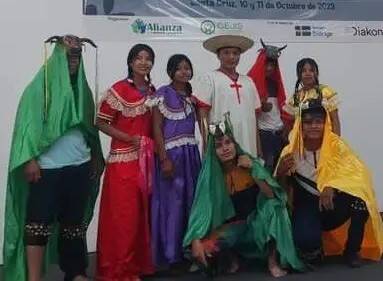
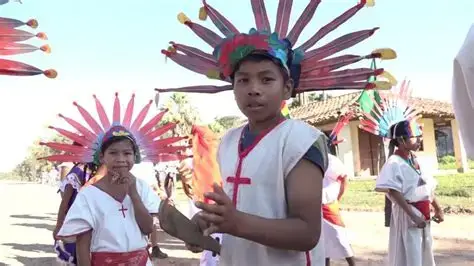
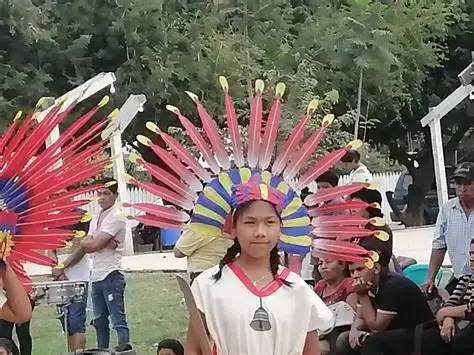
Festivals and Celebrations: Canichana celebrations combine Catholic religious traditions with Indigenous cultural expressions. Festivities connected with the community's patron saint, “San Pedro”, include religious ceremonies, processions, music and traditional dances. The Machetero Loco dance is an important cultural expression during celebrations. Its distinctive costumes, movements and music contribute to the ceremonial atmosphere and help preserve Canichana identity. However, catholic celebrations in the community demonstrate the cultural blending that has developed during the historical Jesuit mission period.
Traditional Food: Canichana cuisine is based largely on ingredients available in the Beni environment. Traditional foods include, yuca (cassava), plantain, rice, maize, beans, freshwater fish and wild foods. These foods reflect the Canichana's close relationship with natural resources of the Beni lowlands.
Traditional Clothing: Traditional Canichana clothing includes cotton garments and the tipoy, these ones are particularly associated with women's traditional dress. Historically, men's clothing is much simpler, however, their ceremonial dress incorporates natural materials and decorative elements. Feathers, seeds and other materials from the surrounding environment have been used for ceremonial adornment. The feathered costume associated with the Machetero Loco is particularly distinctive and forms an important visual element of Canichana cultural celebrations. Today, Western-style clothing is common wore in everyday life.
20. CAYUBABA
Main Region: The Cayubaba are an Indigenous people of the Bolivian Amazon, who predominantly live within the region of Beni, particularly in the provinces of Yacuma and Mamoré. Their ancestral territory lies around the Mamoré River and its surrounding savannas, wetlands, forests and waterways. Today, Cayubaba communities are especially associated with the municipality of Exaltación and neighbouring areas.
Culture: Cayubaba culture is closely connected to the natural environment of Beni. Community life has traditionally centred on family, agriculture, relationships with rivers and forests, and cooperation between households. Their cultural heritage has also been influenced by the history of the Jesuit missions, particularly the historic settlement of Exaltación de la Santa Cruz, established in the early 18th century. Traditional knowledge includes farming practices, the use of local natural resources, food preparation, handicrafts and knowledge of the surrounding landscape.
Way of Life: Traditionally, the Cayubaba depended on agriculture, fishing, hunting and the resources of the surrounding forests and rivers. Agriculture remains an important part of community life with some families practising small-scale livestock raising and fishing. The seasonal cycle of flooding and dry periods of the region has an important influence on their lives. Rivers and waterways provide transport, fishing opportunities and access to neighbouring communities, while fertile areas support cultivation.
Language: The Cayubaba language, also known as Cayuvava, is particularly significant because it is considered a linguistic isolate, meaning that no definitive establish relationship with another known language family. The language is critically endangered, with very few fluent speakers reported. Spanish is now widely used in everyday communication.
Festivals and Celebrations: Cayubaba celebrations reflect both Indigenous traditions and the strong influence of the Jesuit mission heritage of Beni. Religious festivities associated with historic communities such as Exaltación combine Catholic traditions with local customs, music, communal gatherings and social activities. Community celebrations provide opportunities for families to come together, maintain traditions, share food and strengthen cultural identity.
Food: Cayubaba food is based largely on locally available agricultural and river resources. Important ingredients include yuca, rice, maize, plantain, beans, squash, sweet potatoes and fish. Traditional food practices reflect the close relationship between the community and the natural environment. Typical foods associated with the wider Beni region include masaco, prepared from plantain or yuca, rice-based dishes, fish preparations and chivé, a flour made from cassava.
Traditional Clothing: Historically, Cayubaba clothing included natural-fibre garments and decorative elements made from materials available in the surrounding environment, including feathers and other natural ornaments. Historical accounts describe Cayubaba people using feather decorations before and during the early mission period. Today, everyday clothing is generally similar to that worn elsewhere in rural Beni, while traditional or Indigenous-inspired clothing and ornaments are only used during cultural presentations, ceremonies and special celebrations.
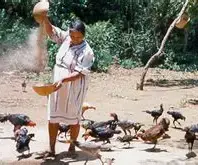
21. ITONAMA
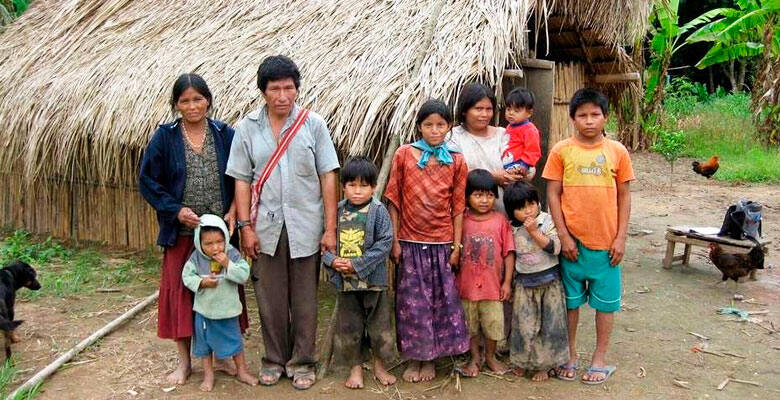
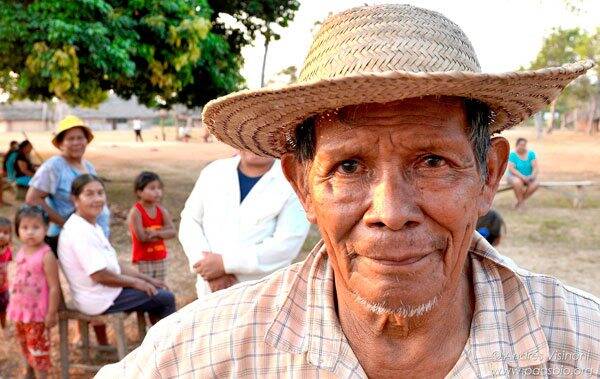
Main Region: The traditional Itonama territory lies mainly around the Itonama, Iténez (Guaporé) and Machupo river systems in northern Beni Amazonian lowlands. Important Itonama settlements include Magdalena, San Ramón, Huacaraje, Nueva Calama and surrounding communities. The landscape consists of tropical forests, grasslands, rivers and seasonally flooded areas.
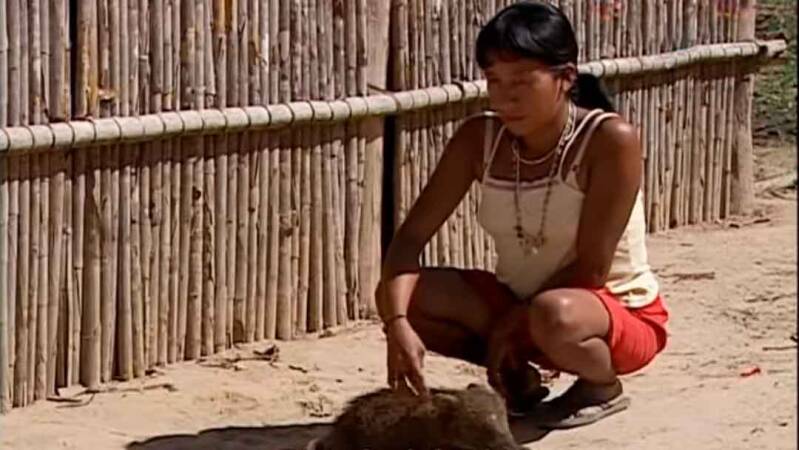
Culture and Way of Life: Itonama culture is closely connected to the natural environment and to community life. Traditionally, families have depended on small-scale agriculture, fishing, hunting, gathering and animal husbandry. Crops cultivation form part of the local agricultural system, while fishing provides an important source of food. Traditional knowledge includes the use of plants, knowledge of seasonal cycles, fishing practices, handicrafts (basketry, weaving and pottery) and an understanding of the rivers and surrounding forests.
Itonama communities have experienced major historical changes through the mission period, the rubber economy and the expansion of cattle ranching. Despite these changes, cultural identity continues to be maintained through community organisation, language revitalisation, celebrations, food, music, dance and traditional knowledge.
Language: The traditional Itonama language, also known as Sihnipadara, is considered a distinctive language of Bolivia and an isolate language, meaning that it has not been conclusively linked to another known language family. Today, the language is critically endangered, with only a small number of fluent speakers. The Instituto de Lengua y Cultura Itonama has supported language-learning activities and cultural events designed to strengthen knowledge of the language among younger generations.
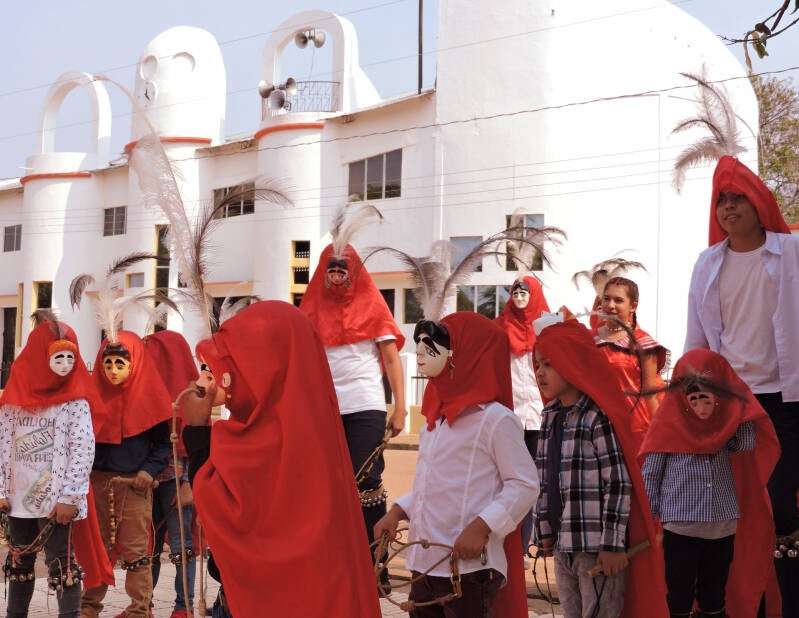
Festivals and Celebrations: Itonama celebrations combine Indigenous cultural traditions with influences from the Catholic mission period. Community festivals, religious celebrations, traditional dances, music, songs and cultural gatherings provide opportunities for people to strengthen their identity and pass traditions between generations. One notable cultural expression is the Los Judas dance, which has been presented during Itonama cultural and linguistic events.
Traditional Food: Itonama cuisine is strongly influenced by the natural resources of the Beni lowlands. Fish, cassava, maize and plantain are important traditional foods. Fish may be prepared in different ways, including roasting, boiling or smoking. Traditional and regional dishes associated with Itonama cultural events include masaco de plátano, sonso, payuje, tujuré, masamorra and other preparations made from locally available ingredients.
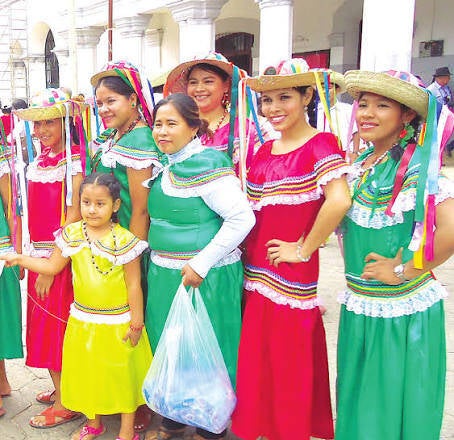
Traditional Clothing: Traditional Itonama clothing has changed considerably over time. Historical accounts describe clothing made from cotton or plant-based fibres, together with body decoration and ornaments. During the mission period, cotton garments influenced by European clothing became more common. Traditional women's clothing included the tipoy, a long, loose garment associated with Indigenous and mission-influenced cultures of the Bolivian lowlands. Basketry, woven fibres, seeds, feathers and other natural materials have also been used for cultural adornment. Today, everyday clothing is generally modern, while traditional or culturally inspired clothing and ornaments are only worn during festivals and cultural presentations.
22. BAURE
Main Region: The Baure are an Indigenous people of Bolivia’s Amazonian lowlands, primarily associated with Baures and surrounding communities in the Beni region. Their traditional territory lies around the savannahs and river systems of the Baures, Blanco and Itonamas areas. Nowadays, Baure communities are particularly found within the municipality of Baures and El Carmen settlements.
Culture: Baure culture combines a strong Indigenous heritage with influences that developed during the period of the Jesuit missions. Traditional knowledge is closely connected with the natural environment, agriculture, fishing, hunting, craftsmanship, music and dance. For generations they have maintained alive traditional knowledge about plants, animals, waterways and surrounding forest. Weaving, basketry and hammock-making remain important expressions of Baure cultural identity. Today, cultural organisations are working together to strengthen Baure language, traditions and ancestral knowledge for younger generations.
Way of Life: Traditionally, Baure communities have depended heavily on agriculture, fishing and hunting, with crops such as cassava (yuca), maize, plantain and other local foods that form an important part of everyday life. Rivers and wetlands are also important for transport, fishing and community activities. Traditional crafts include woven hammocks, baskets, mats and household objects made from locally available fibres and palm materials.
Language: The Baure language is a Bolivian indigenous language that belongs to the Southern Arawakan language family. Though, Spanish is now dominant in the region, while Baure is critically endangered and is mainly spoken among the older generation. The Instituto de Lengua y Cultura Baure (ILC Baure) is actively supporting language revitalisation through language courses, cultural activities, radio programmes and meetings between speakers and younger generations.
Festivals and Celebrations: Festivals are an important part of Baure cultural life as it bringing together music, dance, traditional clothing, food and community participation, festivals such as: Baures Patronal Festival (8 December), Reyes Magos (6 January) and Feria de la Tradición Baureña, remains as important cultural celebrations. Traditional Baure dances, such as the Macheteros, Cosereneque, Torito and the Baile de los Masacos form part of the region's cultural heritage.
Food: Baure cuisine traditionally makes extensive use of locally grown products such as yuca, maize, plantain and rice are important ingredients. Traditional dishes include masaco and majao, as well as soups and preparations made from cassava, plantain and maize. Chivé, made from cassava, is another traditional food product and accompaniment. Traditional chicha also plays an important role in Baure culture, drunk mainly on social and festive gatherings.
Traditional Clothing: Traditional Baure clothing varies according to the occasion. Historical descriptions include cotton garments, while ceremonial and festive dress can feature colourful decorations, feather ornaments, crowns and ankle rattles. Women usually wear a traditional dress called the tipoy Baure as well as jewellery such as necklaces and earrings as part of their adornment. Today, traditional clothing is mainly shown during festivals, dances and cultural presentations.
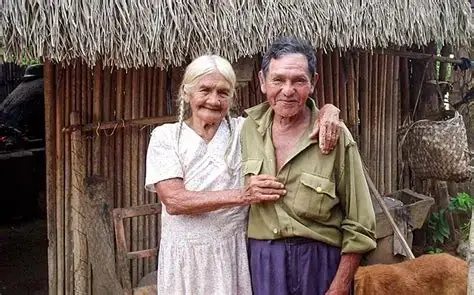
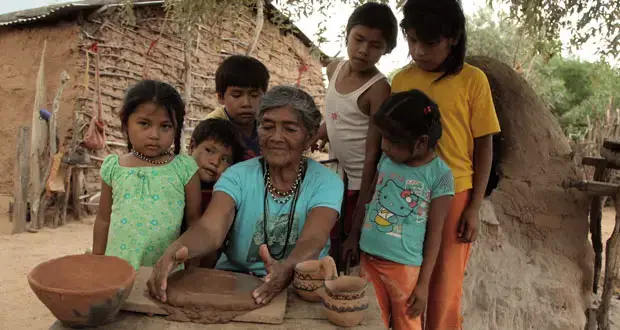
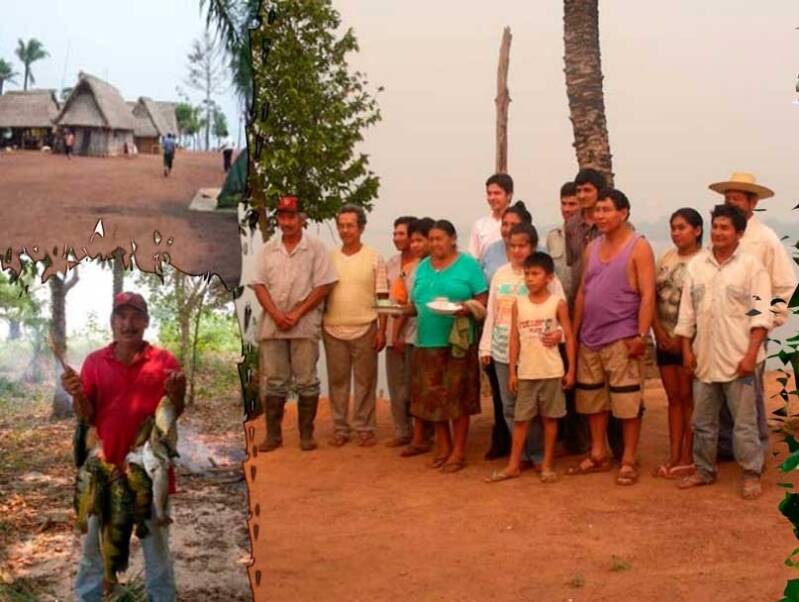
23. MORÉ
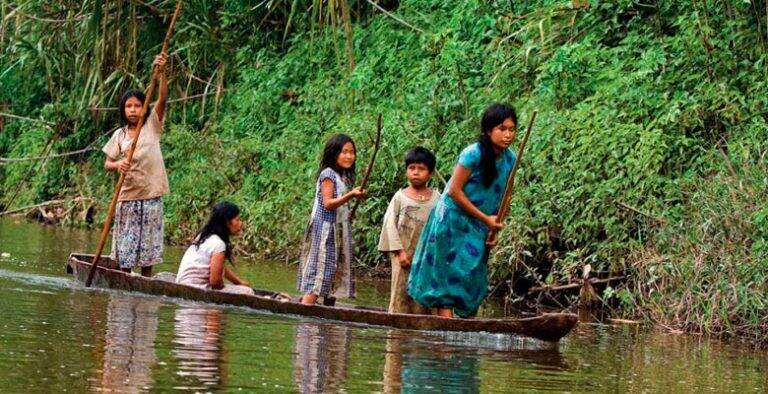
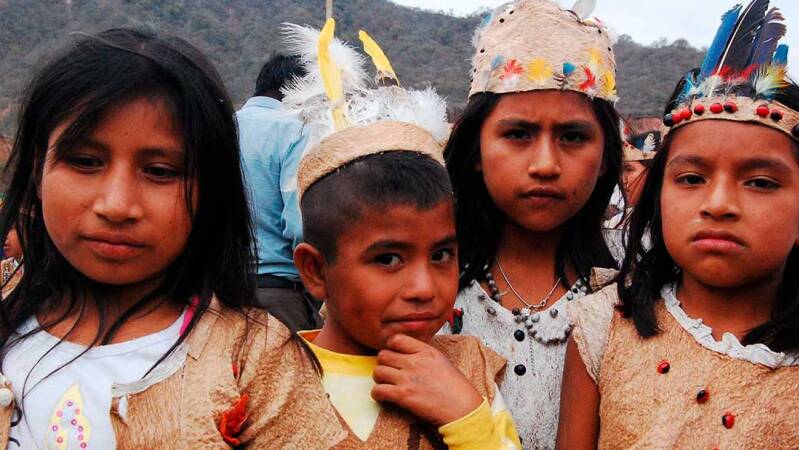
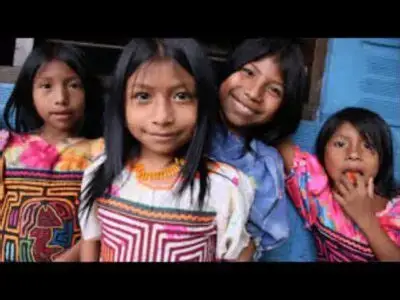
Main Region: The Moré’s ancestral territory is in the tropical lowlands of northeastern Beni, they live particularly around the Iténez (Guaporé) River close to the border with Brazil, The Monte Azul and Vuelta Grande are also traditionally associated with Moré people. Their territory includes landscapes of rivers, forests and seasonally flooded areas. The Iténez River is particularly important to their territory as it provides natural resources such as fish and water, but also important for transportation connecting communities across the Bolivia–Brazil border.
Culture: The Moré, also known as the Iténez or Muris, are one of Bolivia’s Indigenous peoples of the Amazonian lowlands, their culture is closely connected to the natural environment. Traditionally, community life is organised around extended families and shared settlements, with hunting, fishing, agriculture and gathering providing the main sources of food and materials. Their cultural heritage includes traditional knowledge of plants and animals, pottery, basketry and the use of natural materials. Ceramics have traditionally been produced for household purposes, while basketry uses locally available palm leaves.
Language: The Moré language (Itenez Moré) belongs to the Chapacura linguistic family and is one of Bolivia's officially recognised Indigenous languages. The language is particularly vulnerable because the number of fluent speakers is very small, while Spanish has become increasingly common in everyday communication.
Way of Life: Traditionally, the Moré followed a way of life strongly adapted to the Amazonian environment. Seasonal agriculture of small crops remains an important activity, as well as hunting, fishing and gathering forest products. Cassava cultivation is particularly important to them as it can be processed into products such as chicha, chivé and flour. Fishing and the river environment also remain important elements of food security, community life and transportation.
Festivals and Celebrations: Moré cultural celebrations reflect a combination of Indigenous traditions and influences introduced through contact with Christianity and neighbouring communities. Traditional music, dancing, food, community gatherings and the use of distinctive natural-material ornaments form part of cultural celebrations. Because Moré cultural traditions are particularly vulnerable to loss, community celebrations and cultural activities are important opportunities for maintaining identity, transmitting knowledge and strengthening relationships between generations.
Food: Traditional Moré food is based largely on locally available agricultural, river and forest resources. Common foods include cassava (yuca), rice, maize, beans, plantain, banana, fish, wild foods and forest products which are traditionally obtained through hunting and gathering.
Traditional Clothing: Historically, Moré clothing was made from natural materials, including processed tree bark and cotton. Traditional garments are decorated with feathers, tassels and other natural ornaments. Cotton is also spun and used to make clothing and hammocks. Today, everyday clothing is predominantly modern Western style. However, traditional ornaments and natural materials are still important specially when cultural identity is represented during celebrations and cultural activities.
24. MAROPA (REYESANO)
Main Region: The Maropa, communities primarily live along the Reyes and Santa Rosa municipalities in José Ballivián Province, of northern Beni region, in between the Beni lowlands and the Bolivian Amazon. Communities are found around the Beni River basin, Lake Rogagua and the rural areas surrounding Reyes. The geographic landscape includes forests, rivers, lagoons and natural grasslands, areas that have traditionally shaped Maropa livelihoods and culture.
Culture: The Maropa also known as Reyesano for its close connection with the towns of Reyes, are indigenous people of Bolivia, their culture reflects a close relationship between community life, the natural environment and religious traditions. Their heritage shares characteristics with neighbouring Tacanan peoples, while also reflecting the influence of the historic Jesuit missions and later Catholic traditions. Community knowledge is transmitted through families and elders, this includes traditional music, dance, crafts, agricultural knowledge and ceremonies. Palm-fibre weaving, basketry, woodwork and other forms of traditional craftsmanship are important expressions of their cultural identity.
Way of Life: Traditionally, Maropa communities have depended on the natural resources of the Beni landscape. Agriculture and cattle raising are important economic activities, complemented by fishing, hunting and the use of forest resources. The rivers, wetlands and forests provide both food and materials for everyday life. Traditional houses are made by using locally available materials such as wood and palm leaves, while contemporary homes increasingly combine traditional materials with modern construction.
Language: The traditional language is Maropa, also called Reyesano or Chirigu(a). It belongs to the Tacanan language family and is particularly associated with Reyes and nearby communities. Maropa language is considered critically endangered, with only a small number of fluent elderly speakers remaining. Spanish is now the principal language used in everyday communication by most Maropa people. Cultural and educational initiatives are working to document and revitalise the language for future generations.
Festivals and Celebrations: The most important traditional celebration associated with the Maropa of Reyes is the Festival of the Three Kings (Santos Reyes), held on 6 January. The celebration has deep historical connections between the community's Catholic traditions that characterise much of Maropa cultural life and the former Jesuit missions. According to the community’s history the Three Kings are regarded as patrons of the Maropa nation. The festivities traditionally extend over three days, with religious ceremonies, traditional music, dances and community gatherings. Maropa dancers travel from surrounding communities to Reyes to participate in these celebrations, which include velorios, music, singing and dancing. The Alferes is a person who undertakes responsibility for hosting the religious celebration and plays an important role in maintaining this tradition.
Food: Maropa cuisine is based largely on products available from agriculture, rivers and the surrounding forest. Traditional foods include rice, maize, cassava, bananas, palm products and sugar cane, together with locally obtained fish and meat. Food preparation is closely connected with family and community life, particularly during religious celebrations and community gatherings. Traditional knowledge of local crops, fishing and the use of forest resources remain an important part of the Maropa relationship with the Beni environment.
Traditional Clothing: Traditional Maropa clothing has been influenced by the warm tropical environment and by neighbouring Tacanan peoples. Historical clothing and ceremonial adornments made use of natural fibres, feathers, seeds and other materials obtained from the surrounding environment. Today, everyday clothing is generally similar to that worn by other rural communities in Beni. However, elements of traditional dress and ceremonial adornment continue to appear during festivals, dances and cultural events.
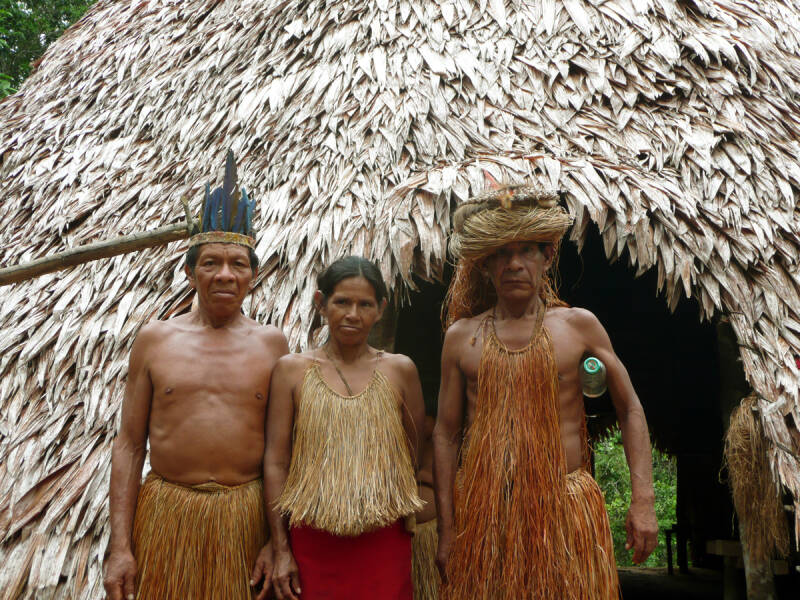
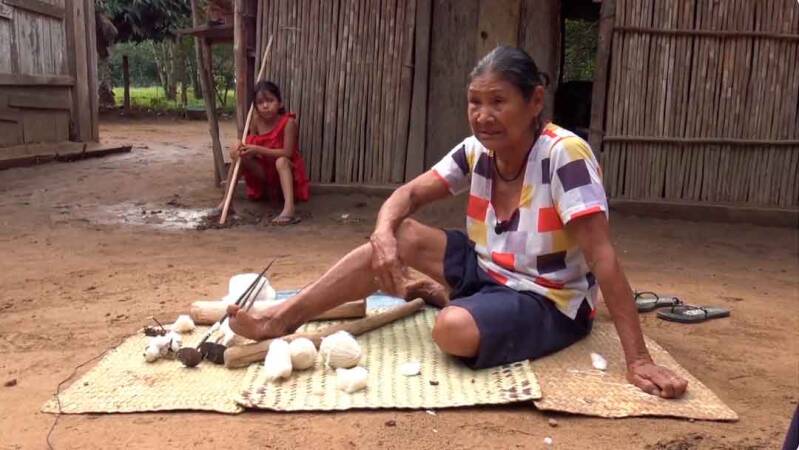
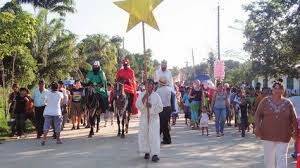
25. TSIMANE (CHIMÁN)
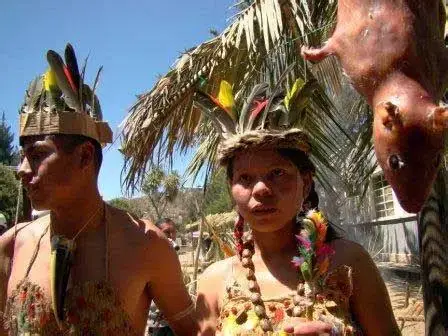
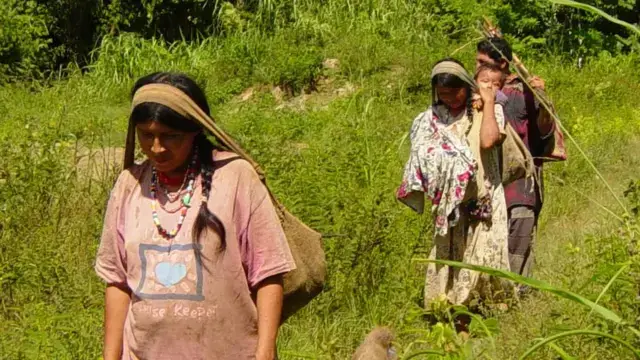
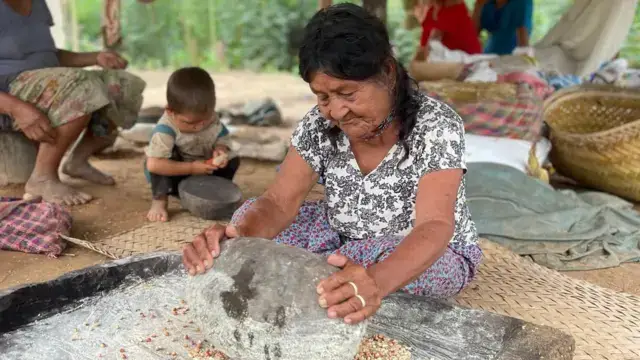
Main Region: The Tsimane’ mainly live within the Beni region, particularly around the Maniqui, Quiquibey and Mato river systems, as well as forest areas between San Borja and San Ignacio de Mojos. Communities generally live close to rivers and streams, because of their importance for transportation, fishing and everyday life.
Culture: Tsimane’ also known as Chimán or Chimane, are indigenous people of Bolivia’s Amazon whose culture is closely connected to the rainforest, rivers, animals, spiritual beings and surrounding environment, their culture is also strongly based on community, family, ancestral knowledge and respect for nature. Elders play an important role in transmitting knowledge, customs and cultural values to the younger generations. Music, dancing, storytelling, traditional crafts and communal gatherings are important expressions of their cultural identity. The Tsimane’ have also maintained a distinctive cultural identity despite long-term contact with neighbouring Indigenous peoples and wider Bolivian society.
Way of Life: Traditionally, the Tsimane’ have combined small-scale agriculture, fishing, hunting and gathering. Crops and fishing are the main source of food, but also families gather wild fruits, nuts and honey from the forest. Many communities are semi-sedentary, and their settlements can change as families move between different areas of their territory. Rivers and forest trails remain important parts of everyday life. While sharing food and drink is also an important expression of community relationships.
Language: The Tsimane speak Tsimane (Chimán), a distinctive Indigenous language of the Bolivian lowlands. It is generally considered a linguistic isolate, although it has similarities with the language of the neighbouring Mosetén people.
Festivals and Celebrations: Traditional Tsimane’ celebrations are closely connected with nature, spirituality, food and community relationships. Historical accounts describe the Umba ceremony as an important traditional celebration associated with the flowering season and expressions of gratitude to spiritual guardians connected with animals, fish and the natural world. Music and dance are also important during community celebrations. Traditional dancing brings families and community members together and reinforce cultural identity.
Food: Traditional Tsimane’ cuisine reflects the resources of the Amazon rainforest and its rivers. Fish is particularly important, complemented by game, plantain, rice, manioc, maize, wild fruits, nuts and honey. Chicha, a traditional fermented beverage made from cultivated crops, which also have an important social role during community gatherings, where sharing the drink represents hospitality and cooperation.
Traditional Clothing: Traditional Tsimane’ clothing has historically included handmade cotton garments, particularly long, simple tunic-like dresses. Natural fibres and locally produced materials are used in clothing and accessories making. Contemporary ceremonial clothing includes woven garments, handmade bags, fans and necklaces.
26. MOSETÉN
Main region : The Mosetén are Indigenous people of Bolivia whose ancestral territory sits in the tropical lowlands and Andean foothills of La Paz and Beni, particularly around Palos Blancos, Covendo, Santa Ana de Huachi, Muchanes and the Beni River region. Some Mosetén communities also live within or near the Pilón Lajas Indigenous Territory and Biosphere Reserve, maintaining a close relationship with the surrounding forests, rivers and wildlife.
Culture: Mosetén culture is deeply connected to the natural environment. Traditionally, communities rely on the forest and rivers for food, materials and other resources. Agriculture, fishing, hunting and gathering play important roles in everyday life, while community cooperation and family relationships remain important aspects of social organisation. Traditional knowledge about plants, forests, rivers and medicinal practices has been passed from one generation to another. The Mosetén also maintain distinctive artistic traditions, including handicrafts, music and knowledge associated with agriculture and the natural environment. Their cultural heritage reflects a long history of interaction with the Amazonian lowlands and the Andean foothills.
Way of Life: Traditionally, the Mosetén live in small communities surrounded by tropical forest and rivers. Agriculture remains an important activity but also fishing, hunting and gathering forest products contribute to household food supplies and livelihoods. Rivers are particularly important to community life, providing transportation, fishing areas and access to neighbouring settlements. Their relationship with the environment emphasises the respect the Mosetén have for the land, water and forest.
Language: The Mosetén language is a distinctive Indigenous language of Bolivia and is closely associated with Tsimane' (Chimane). Together, they form the Mosetenan language group, which has not been conclusively proved to be related to another language family. The language has also been associated with communities such as Covendo and Santa Ana, and many Mosetén people also speak Spanish. The preservation of the Mosetén language is an important part of maintaining their cultural identity.
Festivals and Celebrations: Mosetén celebrations reflect a combination of Indigenous traditions and Catholic influences, as a result from centuries of contact with Jesuit and Franciscan missions. Rather than being limited to formal festivals, their cultural identity is expressed through community gatherings, ceremonies, religious practices, music, dancing, handicrafts, food, traditional drinks and activities connected with agriculture and the natural environment where the elders share their traditional knowledge. Respect for nature and ancestral knowledge continues to have an important place in community life.
Food: Traditional Mosetén food is closely connected to the resources available in the surrounding tropical environment. Cassava (yuca), maize, rice, plantain, beans, fruits and other cultivated crops form an important part of the local diet. Fish and other foods obtained from the rivers and forest have traditionally complemented agricultural production. Food preparation and the use of locally available plants also represent an important form of traditional environmental knowledge. Sharing food during community gatherings and celebrations strengthens their social and family relationships.
Traditional Clothing: Traditional Mosetén clothing historically included long, sleeveless cotton tunics, sometimes decorated with coloured borders. Historical sources also document the use of bark-cloth garments, particularly in earlier periods. Today, everyday clothing is generally influenced by contemporary Bolivian styles, while traditional garments are mainly worn during cultural activities, ceremonies and special community occasions.
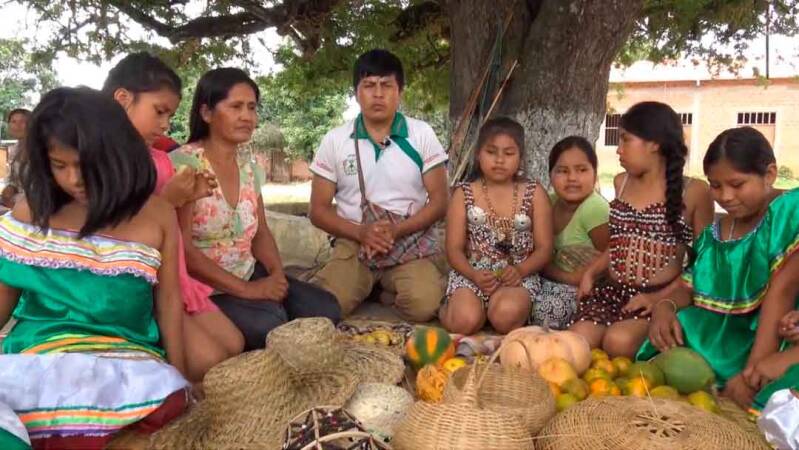
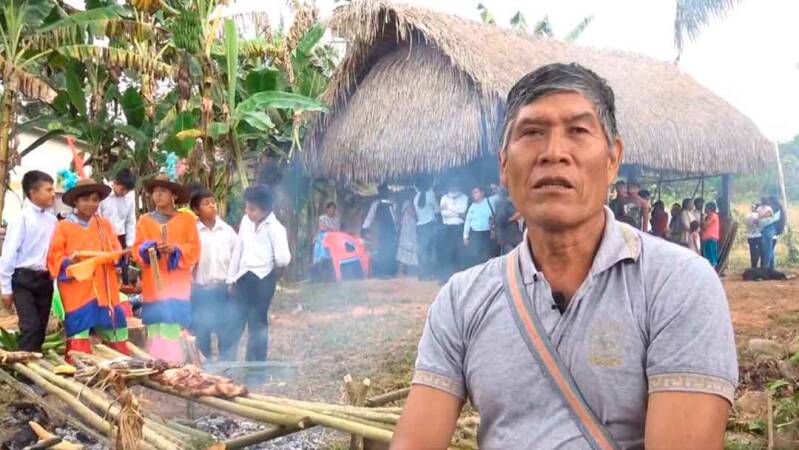
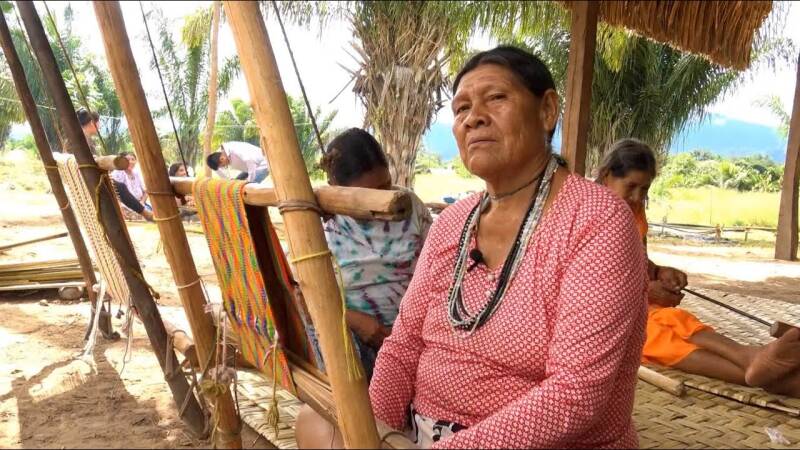
27. YURACARÉ
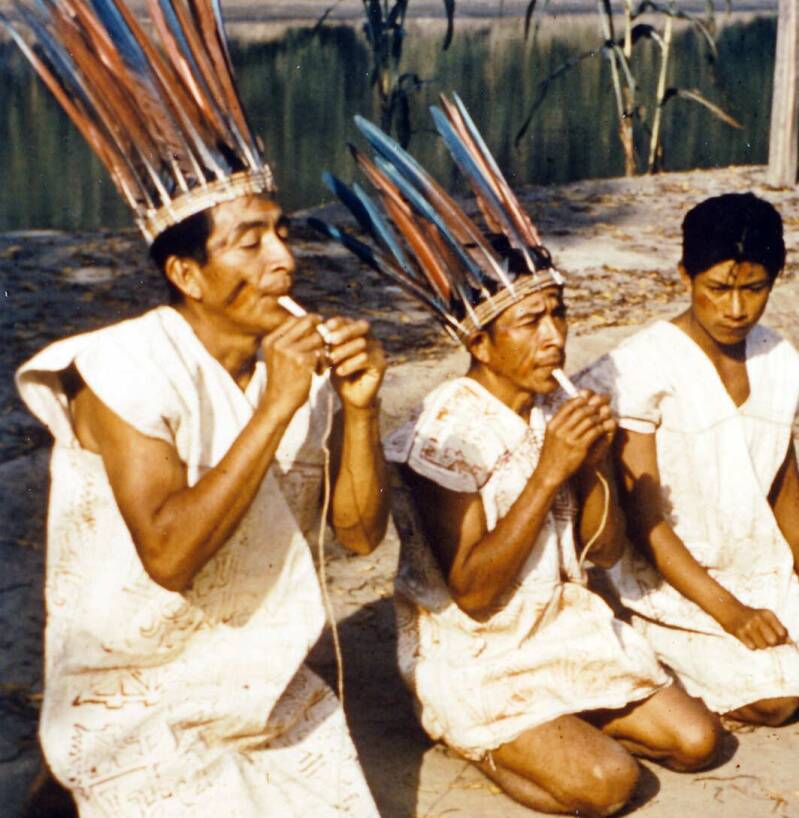
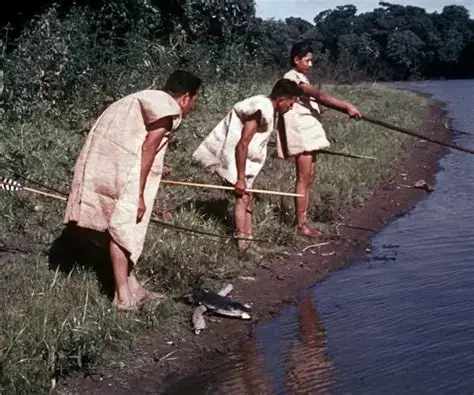
Main Region: The Yuracaré are Indigenous people of Bolivia who traditionally live in the foothill and tropical lowland of Cochabamba and Beni regions. Their communities are particularly associated with the watersheds of the Chapare, Chimoré, Ichilo, Mamoré and Isiboro Sécure rivers, where forests, rivers and tropical ecosystems have shaped their culture and livelihoods.
Culture: Yuracaré culture is closely connected to the forest and rivers. Their traditional culture recognises a deep spiritual relationship between people, animals, trees, water and other elements of nature. Traditional songs have been associated with animals, trees, wind and water, reflecting respect for the natural environment. Social organisation traditionally centred on extended family groups, with several nuclear families living in relatively dispersed settlements.
Way of Life: Traditionally, Yuracaré communities combined small-scale agriculture, fishing, hunting and gathering. Today, agriculture remains an important part of community life, while fishing and the gathering of wild foods and honey also contribute to household livelihoods, similarly handicrafts provide an additional source of income. Their close relationship with rivers and forests have influenced traditional transportation, food gathering and settlement patterns. Historically, communities were more dispersed and mobile, today many Yuracaré communities are now more settled than in the past.
Language: The Yuracaré language, also known as Yurakaré or Yurujare, is a distinctive language isolate, meaning that it has not been conclusively confirmed to belong to another established language family. The language is spoken in parts of Cochabamba and Beni and is considered an endangered Indigenous language. Many Yuracaré speakers also use Spanish language.
Festivals and Celebrations: Yuracaré cultural celebrations are closely connected to community life, music, traditional knowledge, spirituality and the natural environment. Rather than relying on one single nationally recognised Yuracaré festival, celebrations can vary between communities and may incorporate Indigenous traditions alongside influences from Christianity and wider Bolivian society. Traditional songs and ceremonial practices remain important expressions of their cultural identity.
Food: Traditional Yuracaré food is based largely on locally produced and gathered ingredients. Common foods include yuca, maize, rice, plantain, beans, fruits, fish and wild foods. Fishing has traditionally been particularly important, for their communities as it provides both food for household consumption and, in some communities, an opportunity for trading. Honey and forest products are also gathered for consumption.
Traditional Clothing: Traditional Yuracaré clothing was adapted to the warm and humid tropical environment. Historical descriptions mention garments made from plant fibres and tree bark, including simple skirts or loincloth-style garments. Natural materials and decorative elements are also used for ceremonial purposes. Body decoration using natural pigments, as well as ornaments made from seeds and feathers, formed part of traditional cultural expression. Today, everyday clothing is generally modern Western-style clothing, while traditional ornaments and other cultural elements are preserved for ceremonial occasions, cultural events and expressions of Indigenous identity.
28. YUKI (YUQUI)
Main Region: The Yuki traditionally lived across the thick forest areas of Chapare, Carrasco and Ichilo of the Cochabamba region. Nowadays their population is primarily concentrated in the community of Bia Recuaté in the municipality of Puerto Villarroel. Their territory is surrounded by tropical forests and rivers which remains important to their everyday life and culture.
Culture: The Yuki, also known as Yuqui, are one of Bolivia’s Indigenous peoples whose culture and community life has strong connections with the forest, animals and nature. Historically, the Yuki were a nomadic hunting-and-gathering society, moving through the forest according to the availability of food and natural resources. Their traditional knowledge includes hunting, fishing, gathering wild plants and producing handicrafts. Their spiritual wisdom includes beliefs concerning spirits and the relationship between people, animals and the forest.
Way of Life: Traditionally, Yuki communities depended largely on hunting, fishing and gathering. Following their increased contact with wider Bolivian society, their lifestyle changed considerably, with many families becoming sedentary and incorporating agriculture, fishing and other economic activities such as basketry, weaving and handicrafts, today those activities provide important cultural and economic gains, particularly the production of bags and other objects which are made from natural fibres.
Language: The Yuki language, also written Yuqui, belongs to the Tupí-Guaraní language family, language that it is also known as Mbiá or Mbiaye', reflecting the community's own terminology. Yuki language is considered critically endangered, making its preservation an important part of Yuki cultural heritage. Many Yuki speakers also speak Spanish in their everyday life.
Festivals and Celebrations: Yuki cultural celebrations are closely connected with community gatherings, traditional knowledge, music, storytelling and spiritual beliefs. Unlike some other larger Indigenous communities of Bolivia, the Yuki do not have a widely documented large-scale annual festival that is regularly promoted as a tourism event. Community ceremonies and gatherings are therefore better understood as private expressions of cultural identity rather than conventional tourist festivals.
Food: Traditional Yuki food has historically depended on the resources of the forest and rivers. Wild game, fish, gathered fruits, roots and other forest products have been important sources of food. Traditional meals include roasted or cooked meat and fish, soups and plant-based foods gathered seasonally. Agriculture has become more important following the transition to settled communities.
Traditional Clothing: Historically, Yuki clothing was closely adapted to their forest environment and was made using locally available natural materials. However, contact with wider society has resulted in significant changes in dress. Today, many Yuki people wear modern western style clothing, while traditional materials and handicrafts are more commonly represented through cultural objects, fibre work and other forms of artistic expression.
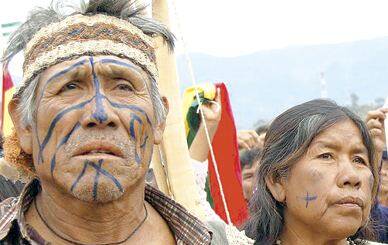

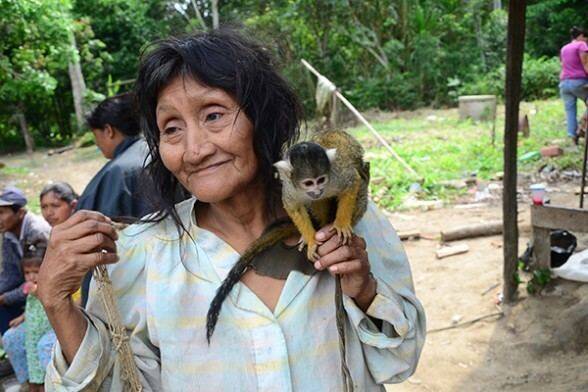
EASTERN LOWLANDS AND CHIQUITANIA
The Eastern Lowlands and Chiquitania are home to diverse Indigenous people whose cultures are deeply connected to the region’s forests, rivers, savannahs and natural environment. These indigenous communities have their own distinctive language, traditions, crafts, music and community practices.
29. CHIQUITANO
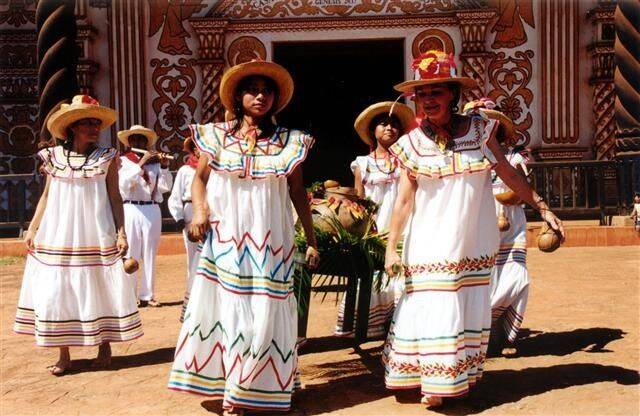
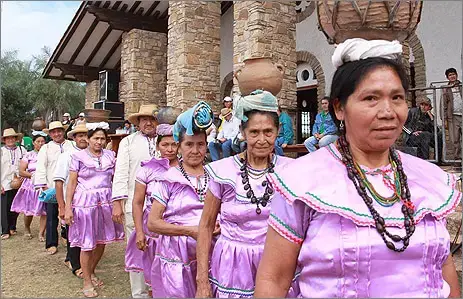
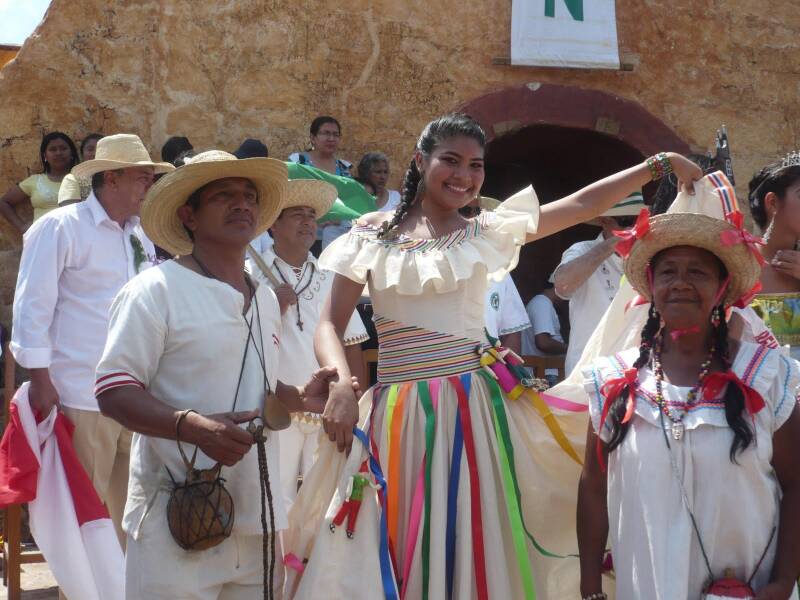
Main Region: The Chiquitano people are an Indigenous people of eastern Bolivia, primarily associated with the Chiquitanía region of Santa Cruz. Chiquitano communities can be found around areas such as San Javier, Concepción, San Ignacio de Velasco, San Miguel, San Rafael, Santa Ana and San José de Chiquitos. The region is characterised by tropical savanna, dry forest and extensive rural landscapes.
Culture: Chiquitano culture reflects a distinctive combination of Indigenous traditions and the historical influence of the Jesuit missions established in the region between the 17th and 18th centuries. Music, dance, craftsmanship, religious traditions and community life remain important elements of their cultural identity. The Chiquitanos are particularly renowned for their musical heritage, including the continuation of Baroque and mission-era musical traditions. Traditional woodworking, weaving, pottery and the production of musical instruments are also important part of their cultural expressions. The historic Jesuit Missions of Chiquitos were recognised as a UNESCO World Heritage Site in 1990.
Way of Life: Traditionally, Chiquitano communities have depended heavily on agriculture, fishing, hunting, gathering and forest resources. Today, agriculture remains an important part of community life, other activities include livestock raising, beekeeping, handicrafts, fishing, seasonal agricultural, forestry work, and community forest management. Community life is strongly connected to family, local traditions and communal decision-making. Their community assembly is an important institution for discussing local matters and making collective decisions.
Language: The traditional Indigenous language is Chiquitano, also known as Bésɨro or Chiquito. Spanish is also widely used in everyday life. The number of fluent Chiquitano speakers is considerably smaller than the wider Chiquitano population, making the preservation and revitalisation of the language an important cultural priority.
Festivals and Celebrations: Chiquitano celebrations combine Indigenous traditions with Christian and Jesuit-influenced customs. Important celebrations include Carnival, Holy Week (Semana Santa), Patron-saint festivals and Festival Internacional de Música Renacentista y Barroca Americana “Misiones de Chiquitos”. Local traditional dances, including the chovena, form a huge part of the cultural celebrations in the region.
Traditional Food: Chiquitano cuisine is closely connected to agriculture and the natural environment. Traditional ingredients include maize, cassava, rice, peanuts, plantains, fish and locally available fruits and forest products. Food preparation varies between communities and reflects the agricultural and ecological resources of the Chiquitanía.
Traditional Clothing: Traditional Chiquitano clothing has historically been influenced by locally produced cotton textiles. Traditional men's clothing consisting of cotton trousers, a linen-style shirt, a straw hat and leather sandals, while women's traditional dress includes the tipoy, a loose, tunic-like garment. Traditional clothing is particularly worn during cultural celebrations and community festivities.
30. GUARAYO
Main region: The Guarayo, also known as Gwarayu, are an Important Indigenous people of the Bolivian lowlands whose ancestral territory is located mainly in the Guarayos Province of the Department of Santa Cruz. Important Guarayo communities include Ascensión de Guarayos, Urubichá, Yaguarú, Yotaú, San Pablo and Salvatierra.
Culture: Guarayo culture is closely connected to the forest, rivers, land and community life. Traditional knowledge is expressed through music, dance, storytelling, mythology, crafts, agriculture, fishing and traditional celebrations. Community events provide an important opportunity for younger generations to learn and preserve Guarayo ethnicity and identity. The Guarayo cultural festivals feature traditional dances, clothing, gastronomy, folklore, crafts and the Gwarayu language. The community's cultural heritage also reflects the influence of the Franciscan missions, which introduced Christianity while many Indigenous traditions and beliefs continued to be preserved and adapted within Guarayo society.
Language: The traditional language is Gwarayu (Guarayu), a language belonging to the Tupí-Guaraní linguistic family, however, Spanish language is widely used particularly among the younger generation. The language remains an important part of Guarayo identity; therefore, cultural institutions are working constantly to strengthen its teaching. A Gwarayu–Spanish dictionary has also been developed through collaborative linguistic work between teachers, elders, Indigenous authorities and community leaders.
Way of Life: Traditionally, Guarayo communities have depended heavily on the natural environment for their subsistence. Agriculture, fishing, hunting, gathering and raising domestic animals have been important activities. Family and community cooperation are important features of Guarayo life. Traditional knowledge is passed between generations through everyday activities, including farming, fishing, food preparation, crafts, music and storytelling. Community celebrations also reinforce social relationships and cultural identity.
Festivals and Celebrations: One of the most important cultural events is the Día de la Tradición Guaraya (Day of Guarayo Tradition), celebrated in Ascensión de Guarayos. The celebration includes traditional and contemporary dances, music, cultural presentations, traditional clothing, gastronomy, crafts and demonstrations of Guarayo identity. The festival de la Cultura Gwarayu is another important event for displaying the community's cultural heritage, including traditional food, storytelling, dances, clothing, fishing and the Gwarayu language. Religious celebrations are also important. In Urubichá, for example, the major patronal celebration honours Nuestra Señora de los Ángeles and brings together Indigenous authorities, communities, music, cultural activities and religious traditions.
Food: Guarayo cuisine makes extensive use of locally available agricultural and river resources. Common ingredients include yuca, maize, rice, plantain and peanuts, complemented by fish and other locally sourced foods. Traditional dishes showcased at Guarayo cultural events include surubí and mimboke, often served with yuca, plantain and rice. Chicha, is a traditional fermented drink made from maize or yuca, this has an important place in Guarayo social and cultural traditions. The preparation of chicha is itself represented in cultural festivals and traditional dance performances.
Traditional Clothing: Traditional Guarayo clothing has changed over time. Historical clothing included garments made from natural fibres and bark, together with distinctive body decoration, jewellery and feather ornaments. Today, traditional clothing is particularly visible during festivals, cultural events and celebrations. Women usually wear the Guarayo tipoy, a traditional dress associated with Guarayo identity, while men may wear simple traditional-style shirts and trousers.
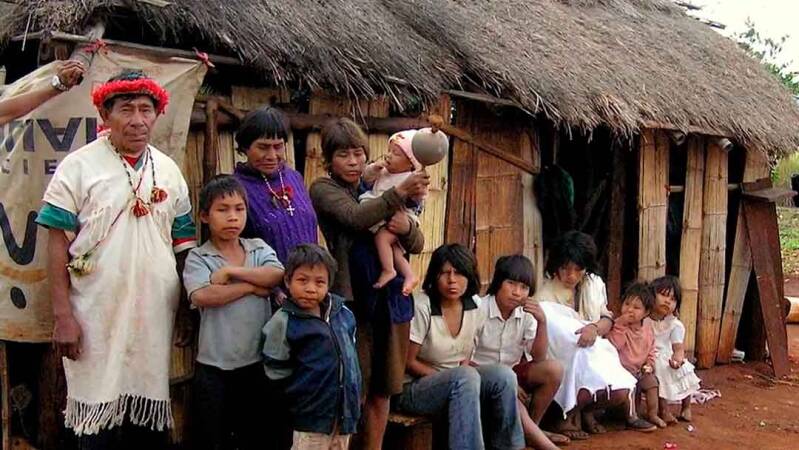
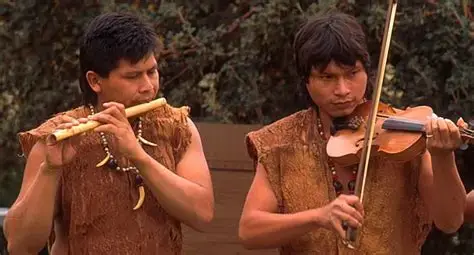
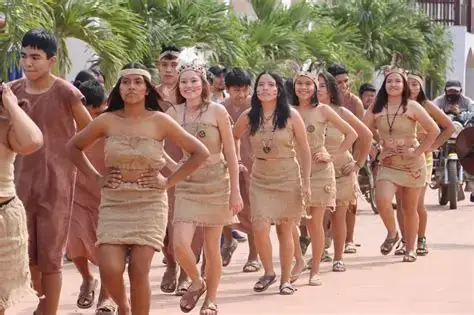
31. AYOREO
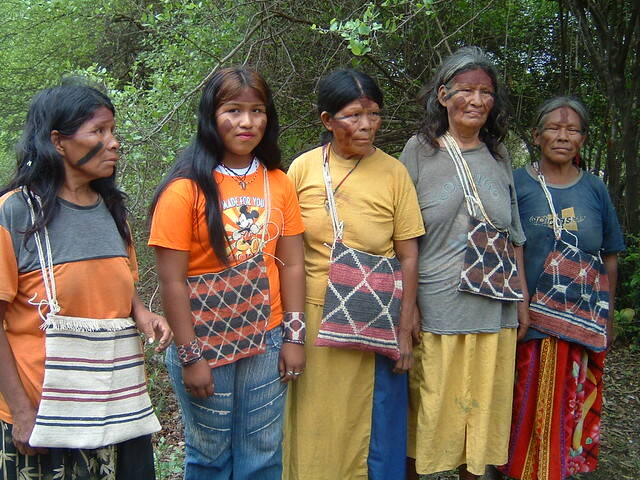
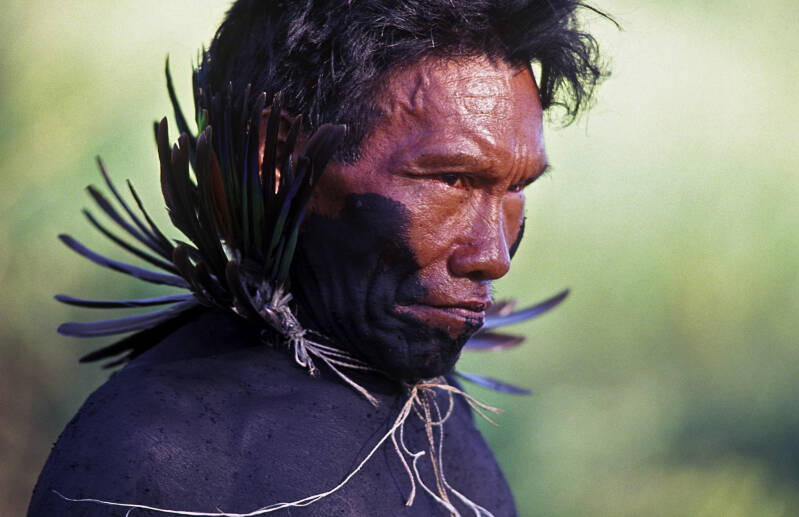
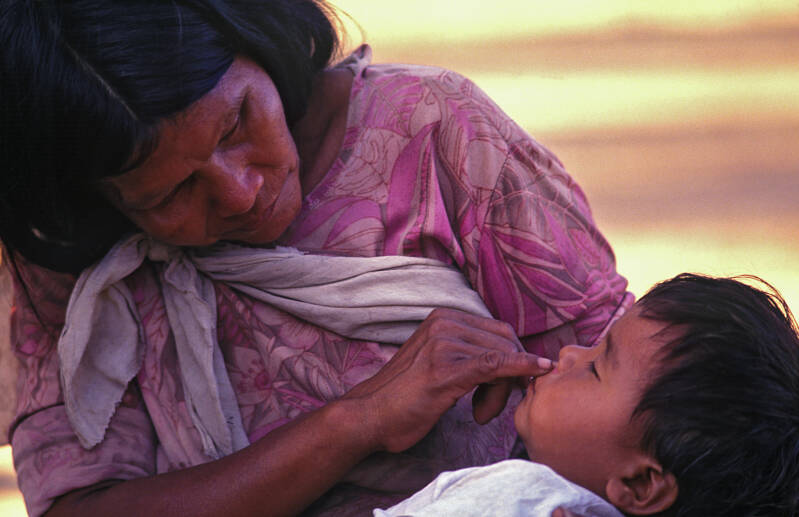
Main Region: The Ayoreo are an Indigenous people of the Gran Chaco, with communities primarily located in the department of Santa Cruz, in eastern Bolivia, particularly in areas such as Chiquitos and Germán Busch. Their ancestral territory extends across the Chaco region of both Bolivia and Paraguay. Traditionally, the Ayoreo lived a semi-nomadic lifestyle closely connected to the forests, rivers, seasonal water sources and natural resources of the Chaco.
Culture: Ayoreo culture is deeply connected to the natural environment. Historically, Ayoreo society was organised into local groups or clans, their traditions focused on social relationships, beliefs, ancestral knowledge, marriage and community responsibilities. Animals, plants and natural environment also had an important place in Ayoreo cosmology. Traditional knowledge has been passed between generations through storytelling, songs, ceremonies and practical skills such as hunting, gathering, agriculture and the preparation of natural materials. Ayoreo communities also maintain distinctive handicraft traditions, including colourful bags, necklaces and other objects made from garabatá fibre.
Way of Life: Historically, the Ayoreo were hunter-gatherers and semi-nomadic agriculturalists, moving seasonally through the Chaco in search of food and water. Hunting, gathering wild plants and honey, fishing and small-scale cultivation were important parts for their subsistence. Today, most Ayoreo communities are settled and combine agriculture with small-scale animal husbandry and crafts making. Cultivation of crops, hunting and gathering remain important cultural practices in some communities. Women have traditionally played an important role in gathering, food preparation and handicraft production.
Language: The Ayoreo language belongs to the Zamucoan language family, a small Indigenous language family found in Bolivia and Paraguay. Ayoreo is spoken in both countries and remains an important part of the community's cultural identity. Spanish is also widely spoken in contemporary Bolivian Ayoreo communities.
Festivals and Celebrations: One of the most important traditional Ayoreo celebrations was Asojná, associated with the nightjar bird. Traditionally, the bird's call signalled the transition from the dry season to the rainy season and marked the beginning of an important period of songs, ceremonies and celebrations. The ceremony reflects the close relationship between Ayoreo spiritual traditions, animals and seasonal changes in the natural environment. Some other traditional ceremonies were significantly affected by missionary activity and social changes during the twentieth century. Today, Ayoreo communities may celebrate Christian festivals alongside cultural and community events.
Traditional Food: Traditional Ayoreo food is strongly connected to the resources of the Chaco. Wild honey, fruits, roots, tubers and palm products have historically been important sources of food, together with hunted animals and seasonal crops. In contemporary Ayoreo communities, agriculture provides many everyday foods, including maize, cassava, plantain and squash, supplemented by fruits, vegetables and animal products. Food traditions reflect the Ayoreo's extensive knowledge of seasonal resources of the Chaco environment.
Traditional Clothing and Adornment: Traditional Ayoreo clothing was adapted to the hot climate of the Chaco and was historically very simple. Men traditionally wore a fibre loin covering, while women used a short skirt or similar garment made from natural fibres. Garabatá fibre, obtained from a native bromeliad, was an important material for clothing, bags and other woven objects. Body decoration was also culturally significant. Natural pigments, feathers, fibres, seeds and other locally available materials were used for personal adornment and ceremonial purposes. Today, everyday clothing in Ayoreo communities generally reflects contemporary Bolivian society, while traditional designs and natural-fibre craftsmanship continue to be expressed through handmade bags, necklaces and other artisan products.
32. SIRIONÓ
Main Region: The Sirionó primarily live in the Department of Beni, particularly in the southeastern area of the Llanos de Moxos, within the Amazonian lowlands. Their principal communities include Ibiato (Tierra Alta) and Ngirai (Pata de Águila). Their territory includes extensive areas of forest, natural grasslands and other ecosystems that have traditionally provided food, materials and cultural resources.
Culture: The Sirionó are an indigenous people of Bolivia whose culture is strongly based on community, reciprocity and respect for nature. Traditionally, communities were organised into relatively mobile family groups under the guidance of an Ererecua, or traditional leader. Elders played an important role in passing knowledge, stories, environmental understanding and cultural practices to younger generations. Their traditional knowledge includes detailed understanding of forest plants, animals, seasonal cycles and natural resources of the eastern lowlands. The forest is regarded not simply as a source of food but as an important part of Sirionó cultural and spiritual life.
Way of Life: Historically, the Sirionó followed a semi-nomadic hunter-gatherer lifestyle. Families moved through the forest according to the availability of game, fish, wild fruits. honey, and small-scale cultivation. Today, many Sirionó families have adopted to more settled way of life and live in permanent communities and combine agriculture, fishing, hunting, gathering, small-scale animal husbandry and crops cultivation while continue to preserve important cultural knowledge and traditions. Traditional crafts, including hammocks, baskets and other handmade objects, also remain important expressions of cultural knowledge.
Language: The Sirionó language, also known as Mbia Cheë, belongs to the Tupí-Guaraní language family, which is It is an important part of Sirionó identity and cultural heritage. Spanish is also widely used, particularly through contact with wider Bolivian society,
Festivals and Celebrations: Sirionó celebrations bring communities together through music, dance, food and traditional cultural practices. One of the most important traditional dances is the Gito Gito, where men and women form a circle and dance together. It is mainly performed during community festivals, including the anniversary of Ibiato and celebrations marking the abundance of honey, palm fruits and wild foods. These festivities express gratitude to nature and celebrate the community’s cultural heritage and connection to nature. Community anniversaries and Christian celebrations are also part of contemporary Sirionó community life. 2 August is particularly significant for Ibiato, where the community's anniversary is celebrated.
Food: Traditional Sirionó cuisine developed from the resources available in the forest and surrounding environment. Important foods included wild game, fish, honey, cassava, maize, sweet potato, plantains, papaya and wild fruits. Honey collected from native bees was particularly valued. Traditional food preparation included cooking meat and plant foods over fire, while maize and other crops are processed into different meals and beverages. Today, Sirionó diets also include foods introduced through greater contact with towns and wider Bolivian society.
Traditional Clothing: Traditional Sirionó clothing and adornment were made largely from natural materials obtained from the forest. Historical and community sources describe garments made from tree bark fibres, including ambaibo, decorated with feathers attached using natural beeswax. Body decoration included urucú (achiote) face paint, necklaces made from seeds and natural materials, and ornaments incorporating feathers. Today, Western-style clothing is generally worn in everyday life, while traditional materials, ornaments, crafts and cultural designs remain important for representing Sirionó heritage during cultural activities and celebrations.
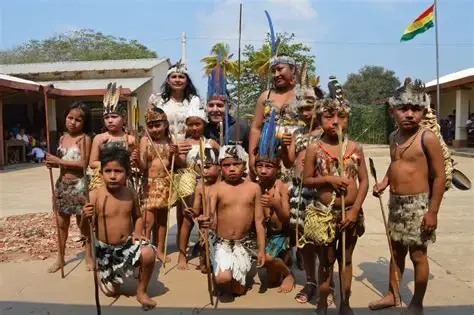
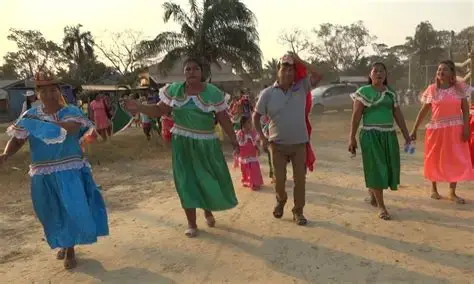
33. GUARASUG'WE
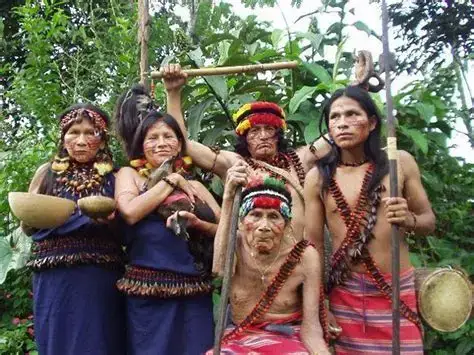
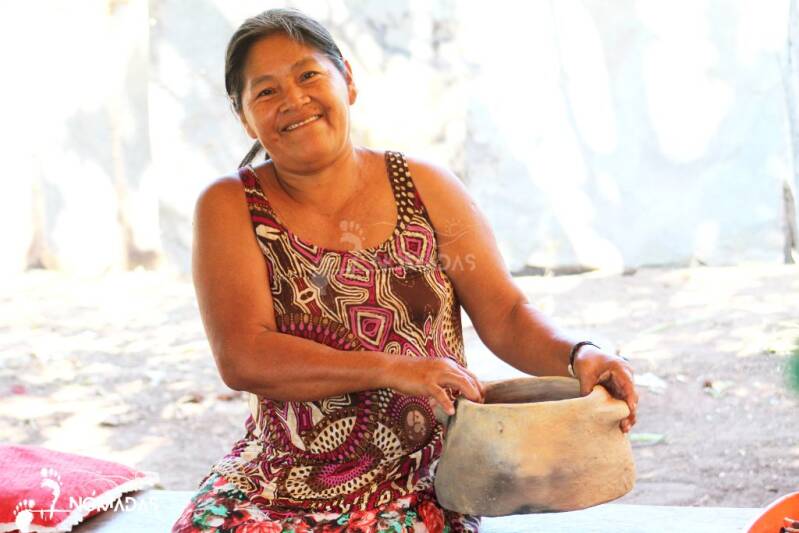
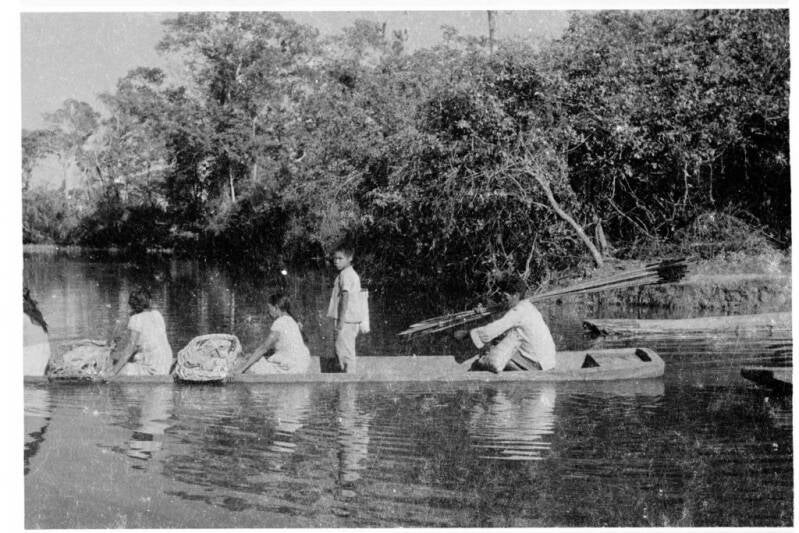
Main Region: The Guarasug'we are traditionally associated with the Bajo Paraguá region of Santa Cruz, particularly the area around the Paraguá River and Noel Kempff Mercado National Park. Historically, their territory extended all along the Iténez (Guaporé) River, including areas close to the Brazilian border. Today, communities include Picaflor in Santa Cruz and other settlements around Bella Vista on the Iténez municipality.
Culture: The Guarasug'we also known as Guarasu’we or Pauserna, is one of the smallest indigenous communities of Bolivia, their culture is closely connected to the forest, rivers and wildlife of the Amazonian lowlands. Their cultural heritage includes knowledge of plants, hunting, fishing, agriculture, craftsmanship, spirituality and community relationships. Historically, their worldview included spiritual beliefs associated with the natural environment and a sacred concept of Loma Santa, traditionally regarded as a land without evil. Their history, language and traditions have faced significant challenges, for that reason, cultural revitalisation that will strengthen Guarasug'we identity is particularly important, and so community members and cultural organisations are working together to recover traditional knowledge, by teaching the language and cultural knowledge to younger generations.
Way of Life: Traditionally, the Guarasug'we followed a mobile forest-based way of life, moving through areas along the Iténez and other adjacent rivers. Their activities included hunting, fishing, gathering wild fruits and plants, and small-scale agriculture. Contemporary communities combine traditional practices with agriculture and other economic activities. In Picaflor, for example, families grow and sell agricultural products, while women also produce cotton goods such as hammocks.
Language: Guarasug'we (Pauserna) belongs to the Tupi-Guaraní language family. For many years, it was incorrectly considered extinct by some researchers. More recent work has documented Guarasug’we language and efforts have been made to revitalise and teach the language, specially within the community of Picaflor.
Festivals and Celebrations: Specific named Guarasug'we festivals are not as well documented in comparison to some other larger Indigenous communities of Bolivia. Their traditional celebrations have historically involved music, dance, community gatherings, ritual practices and elaborate personal adornment. Historical accounts also describe feathered headdresses and other decorations used during important gatherings. Today, cultural celebrations and community activities predominantly provide opportunities to teach younger generations about Guarasug'we history, language and traditions.
Food: Traditional Guarasug'we food has been strongly influenced by the resources of the forest and rivers. Hunting forest animals and fishing have historically provided important sources of food, while cultivated crops and gathered forest fruits complemented their diet. Today, Guarasug'we communities cultivate crops such as cassava, bananas, beans, papaya, watermelon and açaí, combining agricultural production with foods obtained from the surrounding environment.
Traditional Clothing: Historical Guarasug'we clothing included garments were made from plant fibres and cotton, with some other traditional clothing made from tree bark. Women wore cotton garments around the hips, while body painting using red and black pigments were also an important form of decoration and identity. Traditional adornments included necklaces, leg ornaments and other accessories. Men were particularly associated with elaborated feathered headdresses, which they wore mainly during celebrations. It is important to distinguish historical clothing from contemporary dress. Some traditional garments and forms of adornment have declined or disappeared, and current Guarasug'we communities generally wear modern clothing.
CHACO
The Bolivian Chaco is home to a diverse Indigenous community, whose cultures are deeply connected to the dry forests, rivers and landscapes of the region. Each community preserve their own language, traditions, ancestral knowledge and their relationship with nature, making their culture an important part of Bolivian living cultural heritage
34. GUARANÍ
Main region : The Guaraní are an important Indigenous community of Bolivia, with a strong cultural presence in the country’s southeastern lowlands. Their communities are closely connected to the landscapes of the Bolivian Chaco, the foothills of the Andes and surrounding valleys, particularly in the counties of Santa Cruz, Chuquisaca and Tarija. Important Guaraní areas include Charagua, Camiri, Cuevo, Lagunillas, Isoso and communities along the Parapetí and Pilcomayo River regions.
Culture: Guaraní culture places great importance on community, reciprocity, family, land and the natural environment. Traditional knowledge is closely associated with agriculture, forests, rivers, plants and animals. The Guaraní ancestors recognise a spiritual relationship between people and nature. Traditional beliefs include the Tumpa reta, understood as divine or eternal principles associated with elements of the natural world, while the Kaa iya reta, or “owners of the forest,” are regarded as guardians of animals, plants, rivers and mountains. Community organisation traditionally centres on the tenta, or community, with leadership provided by a mburuvicha (community leader). Several communities also form a larger territorial organisation or tenta guasu. The Asamblea del Pueblo Guaraní (APG) was established in Charagua in 1987, as an important organisation that represents Guaraní communities in Bolivia.
Language: The Guaraní language belongs to the Tupí-Guaraní language family and is an important part of Guaraní identity and cultural heritage. In Bolivia, Guaraní is spoken alongside Spanish, with many communities still maintaining their own linguistic, traditions and heritage.
Traditional Way of Life: Historically and today, agriculture has played a central role in Guaraní life. In many communities traditional cultivated crops are complemented by small-scale livestock raising, fishing, hunting, gathering and handicrafts. Maize has a particularly important place in Guaraní food traditions and cultural celebrations. Traditional crafts also play an important role on community life, these include weaving, pottery, basketry and objects made from natural materials.
Festivals and Celebrations: One of the most important Guaraní celebrations is the Arete Guasu, often known simply as the Arete. It is associated with the agricultural cycle and the maize harvest and is traditionally a period of community gathering, music, dancing, food and cultural expression. Today, the celebration often takes place around the same period as Carnival, creating an important meeting point between Indigenous and Christian traditions. The Arete is also an opportunity to strengthen community identity, maintain ancestral traditions and pass cultural knowledge to younger generations.
Traditional Food: Guaraní cuisine is strongly connected to locally grown crops and the natural environment. Maize, cassava, beans, squash, sweet potatoes, native chillies, algarrobo and seasonal fruits are among the important ingredients found in Guaraní food traditions. Fishing and locally sourced meat also contribute to the traditional diet in some communities. Traditional preparations include guitï mimbo, a maize-and-cheese cake traditionally eaten at breakfast or during afternoon tea, and hachi, a roasted or prepared maize-based food traditionally consumed during the working day. Maize and algarrobo are particularly significant ingredients within Guaraní food heritage.
Traditional Clothing: Traditional Guaraní clothing varies between communities and has changed considerably over time. Historically, clothing was made using cotton, natural fibres, animal skins and locally available materials. Traditional textiles included garments such as the asoya and cutama, associated respectively with men and women in some Guaraní communities. For ceremonial occasions, traditional clothing and accessories can be accompanied by body painting, masks and other forms of cultural decoration. These elements are especially associated with festivals and ceremonial gatherings and form part of the wider visual expression of Guaraní identity.
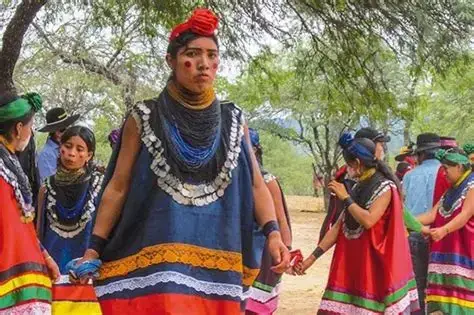
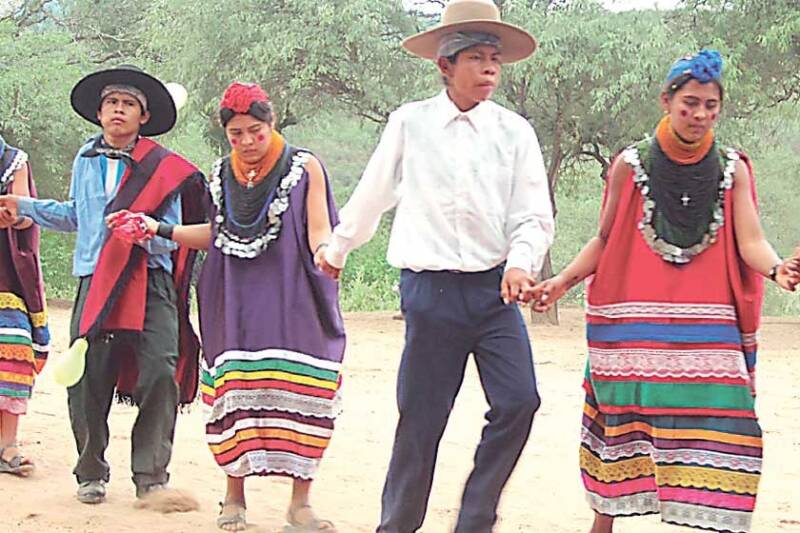
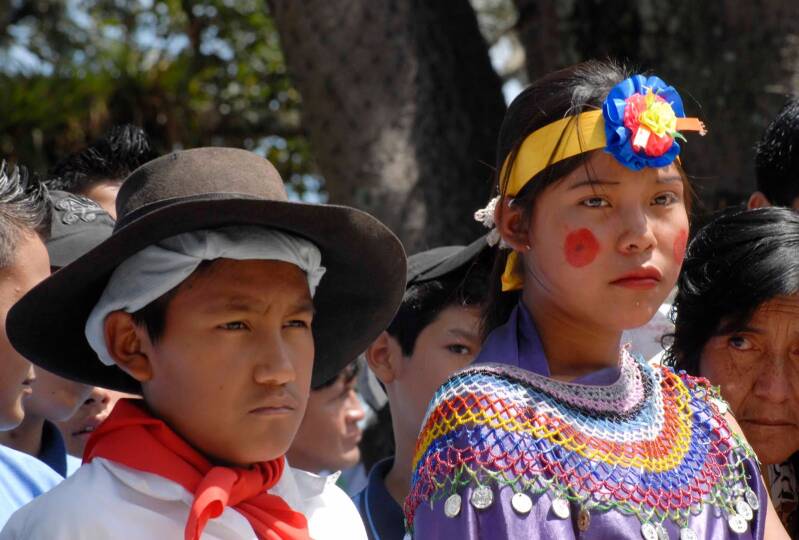
35. WEENHAYEK
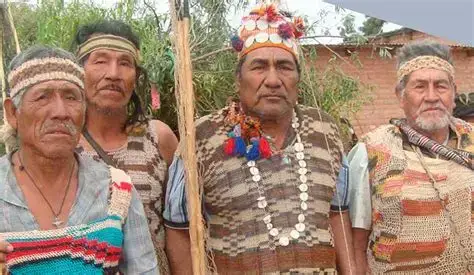
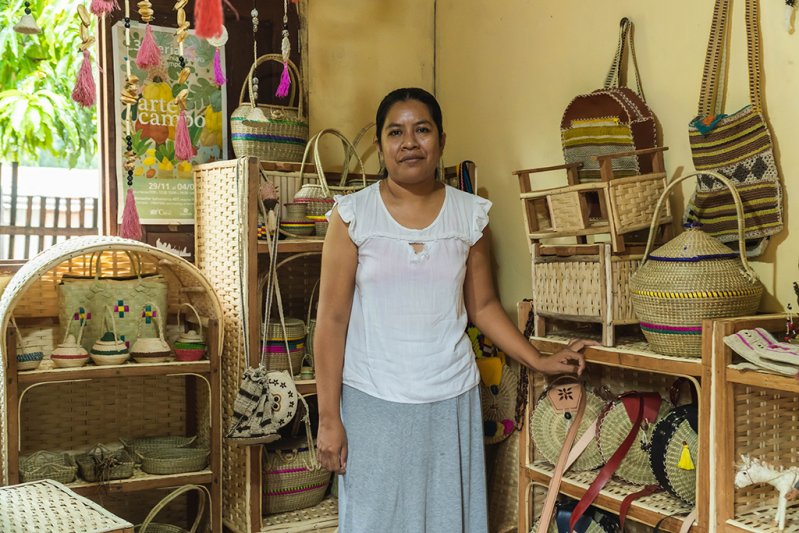
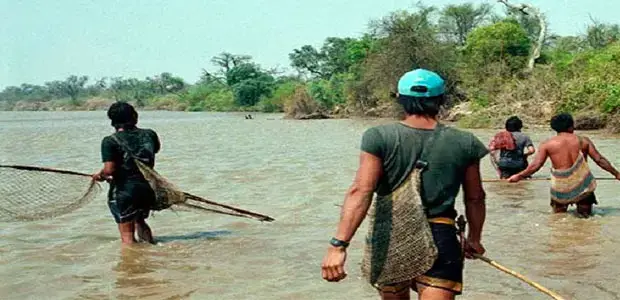
Main Region: Weenhayek communities are indigenous people of Bolivia who live primarily in the Gran Chaco region of Tarija, particularly around the municipalities of Villa Montes and Yacuiba and some other settlements along the Pilcomayo River. Communities include San Antonio, Capirendita, Quebracheral, Algarrobal, San Bernardo, Villa Esperanza, Resistencia and Viscacheral, among others. The Pilcomayo River is particularly important because it provides fish that has traditionally supported the community's way of life.
Culture and Way of Life: Weenhayek culture is strongly connected to community, family, nature, the Pilcomayo River and the dry Chaco landscape. Their culture and way of life included fishing, hunting, gathering wild fruits and honey, and making handicrafts from locally available materials. Fishing, particularly during the seasonal fishing period, remains an important cultural and economic activity. Traditional knowledge is passed between generations through sharing traditional beliefs, stories, songs, fishing practices, handicrafts and community activities. Weenhayek communities also maintain their own forms of community organisation and cultural leadership.
Language: The traditional language is Weenhayek, also known as Wichí Lhamtés Nocten. It belongs to the Wichí branch of the Matacoan language family and is closely associated with the Wichí peoples of the Gran Chaco. In Bolivia, Weenhayek is officially recognised as an Indigenous language. Spanish is also widely used, particularly in education and communication with wider Bolivian society.
Festivals and Celebrations: Weenhayek cultural celebrations are closely connected to their traditional way of life. The Feria del Pescado (Fish Festival) and fishing competitions are particularly significant events in Weenhayek communities and celebrate the importance of fishing along the Pilcomayo River. These events also provide opportunities to display traditional food, crafts and cultural knowledge to visitors. Other community events include commemorations and activities that celebrate Weenhayek identity, history and cultural traditions. The regional cultural programme of the Gran Chaco also supports activities connected with traditional crafts, food, music and community heritage.
Traditional Food: Traditional Weenhayek food is strongly influenced by the natural resources of the Chaco and the Pilcomayo River. Freshwater fish, including species such as sábalo, surubí, dorado and bagre. Fishing knowledge and the preparation of fish are also an important part of the community's cultural heritage. Other traditional foods and ingredients included wild fruits, honey and locally gathered plants. The seasonal availability of natural resources has historically influenced food gathering and community life. Today, some Weenhayek families are also involved in beekeeping, livestock production and small-scale agricultural production.
Traditional Clothing: Historically, Weenhayek clothing was made from locally available natural materials, including animal skins and plant fibres. Traditional descriptions record men wearing simple garments made from animal hide, while women traditionally wore skirts made from caraguatá fibre, sometimes accompanied by sandals. Animal skins were also used for protection from colder conditions. Today, traditional clothing is less commonly worn as everyday dress, but elements of traditional craft and fibre work continue through weaving, basketry and other forms of handicraft production. Local plant materials such as caraguatá, palm, reeds and vines are used in artisanal production.
36. TAPIETE
Main Region: The Tapiete are a Bolivian Indigenous people of the Gran Chaco, with communities in southeastern region of the country, predominantly in the department of Tarija and the province of Gran Chaco. In Bolivia, Tapiete communities are associated with areas around Samawate (Samuguate), Crevaux and Cutaiqui, close to the Pilcomayo River. The Tapiete also have cultural and family connections with communities in northern Argentina and Paraguay.
Culture: Tapiete culture reflects a combination of Guaraní linguistic heritage and traditional Chaco cultural practices. For generations, the community has maintained strong relationships with the land, rivers, forests and wildlife of the Gran Chaco. Traditional knowledge includes fishing, hunting, gathering wild plants and fruits, agriculture, weaving and the use of native plants such as caraguatá, whose fibres can be made into bags, ropes and hammocks. Family and community relationships are important elements of Tapiete society. Their history has also been shaped by close interaction with neighbouring Indigenous peoples, including the Weenhayek, Ava-Guaraní, Toba and Chorote peoples.
Way of Life: Traditionally, the Tapiete followed a semi-nomadic way of life, moving according to the availability of water, fish, wild foods and other natural resources. Their economy was based mainly on hunting, fishing, gathering and small-scale agriculture. Fishing along the Pilcomayo River has historically been particularly important, providing both food and an opportunity to exchange or sell fish. Today, Tapiete communities have more settled lifestyles, while continuing to maintain important traditional knowledge and cultural practices. Agriculture, fishing, gathering and handicrafts remain part of their cultural and economic life.
Language: The Tapiete language belongs to the Tupí-Guaraní family. It is a distinct Indigenous language closely related to other Guaraní languages, although it has its own grammatical and linguistic characteristics. Tapiete has been documented by linguists and is an important part of the community's cultural identity. Because of historical migration and contact with Spanish and other Indigenous languages, the number of fluent Tapiete speakers has declined, making the preservation and revitalisation of the language particularly important.
Festivals and Celebrations: Tapiete cultural celebrations are closely connected with community gatherings, traditional dances, family relationships, spirituality and ancestral heritage. Traditional gatherings have historically provided opportunities for communities to meet, strengthen social relationships, exchange knowledge and celebrate together. The baile de la rueda, or circle dance, is one of the traditions associated with Tapiete cultural expression. Tapiete communities also maintain connections across Bolivia, Argentina and Paraguay. Transnational gatherings and cultural encounters help strengthen family ties and preserve shared language and traditions.
Food and Traditional Cuisine: Traditional Tapiete food is strongly influenced by the natural resources of the Gran Chaco. Fish from the Pilcomayo River, particularly species such as sábalo, surubí and dorado, have traditionally been an important source of food. Agriculture provides products such as maize, beans, squash, sweet potato and cotton, while gathering contributes wild fruits, roots, honey and other native foods. The caraguatá plant has also been important in Tapiete life. Besides providing useful fibre for handicrafts, parts of the plant have traditionally been used as food. Wild fruits such as algarrobo, mistol and chañar have also contributed to the traditional diet of Chaco communities.
Traditional Clothing: Historical Tapiete clothing was adapted to the hot and dry environment of the Gran Chaco. Traditional accounts describe men wearing simple garments such as loincloths, while women wore garments such as the tipoy. Decorative elements included feathered headbands and other forms of personal adornment. The traditional llica, a woven or fibre bag, was also used as a practical item for carrying personal belongings. Traditional clothing has changed considerably over time, and contemporary Tapiete people generally wear modern clothing in everyday life. Traditional objects, crafts and cultural elements may still be displayed during cultural activities and celebrations as expressions of Indigenous identity.
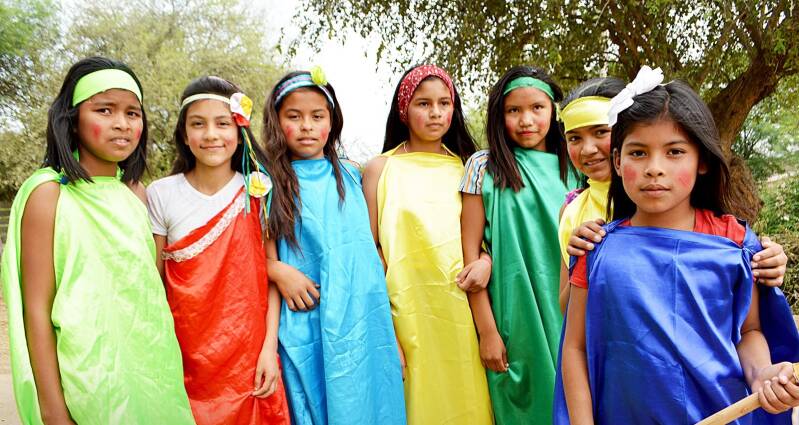
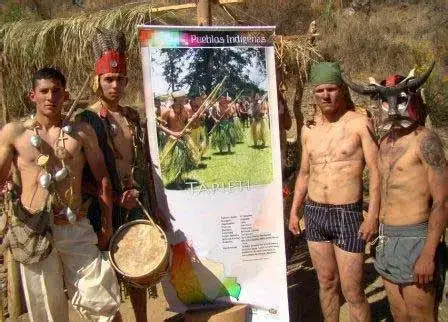
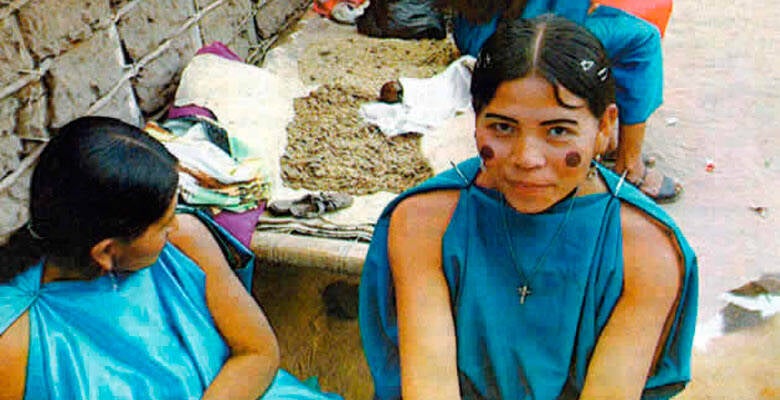
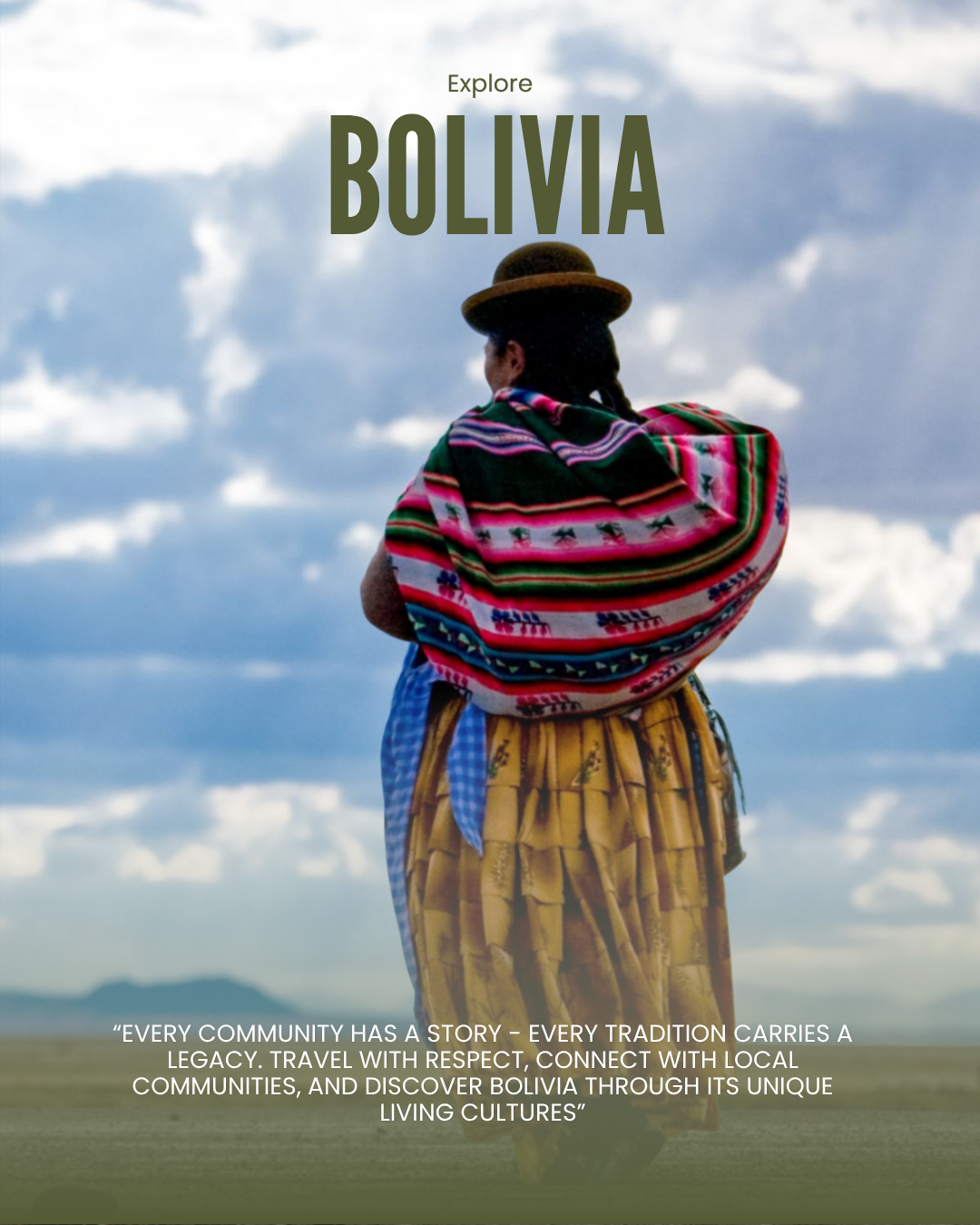
RESPONSIBLE INDIGENOUS CULTURAL TOURISM
Visiting an Indigenous community should be based on respect, consent, cultural sensitivity and mutual benefit. Discover Bolivia promotes responsible and respectful cultural tourism that benefits and supports local communities, while recognising their right to protect, preserve and share their heritage on their own terms, while promoting meaningful connections between visitors and local people.
Indigenous communities should be active partners in tourism, with meaningful involvement in planning, managing and making decisions about tourism activities that affects them. They should be recognised as equal participants and custodians of their heritage, rather than simply as subjects of tourism promotion.
When visiting Indigenous communities, travellers are should:
-
Respect local customs, traditions and sacred places.
-
Ask permission before taking photographs of people or ceremonies.
-
Purchase crafts and products directly from communities whenever possible.
-
Use locally owned guides and tourism services.
-
Respect community rules concerning access to land and cultural sites.
-
Avoid treating cultural traditions as performances created solely for visitors.
-
Support conservation and community-led tourism initiatives.
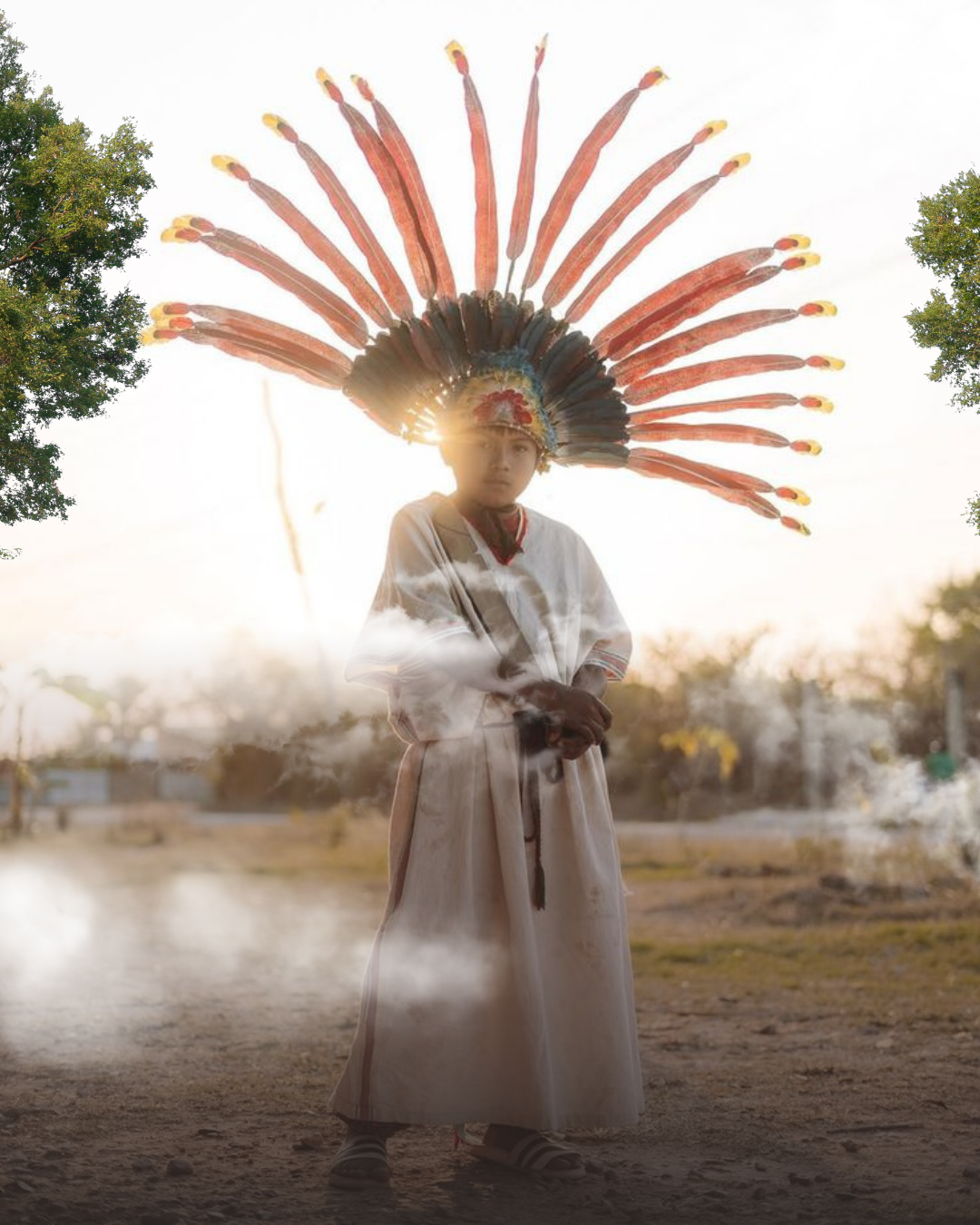
CULTURAL EXPERIENCES FOR EVERYONE
Whether you are an adventurous traveller, a history enthusiast, or simply looking to connect with local communities, Discover Bolivia invites you to experience the country’s rich cultural heritage. Explore indigenous traditions passed down through generations, meet the people who keep them alive, and gain a deeper understanding of Bolivia’s remarkable culture diversity, while creating lasting memories and your own unforgettable Bolivian story.